

Many Kenyan families live with health issues that never seem to fully go away. It might be a stubborn cough, recurring allergies, sinus irritation, fatigue, or breathing discomfort that improves for a while after treatment, only to return.
Medical care can help manage the symptoms, but in some homes, the real trigger is still present in the background — not in the body, but in the building itself.
One common but often overlooked cause is mould. It can grow quietly on damp walls, ceilings, hidden surfaces, releasing microscopic spores into the air day after day. Because it starts small and may look like a minor staining issue, many people ignore it until the smell, wall damage, or health symptoms become impossible to dismiss.
The problem is that mould is not just ugly — it signals moisture trouble indoors, and over time that can affect both your home and your health.
WHO guidance links indoor dampness and mould exposure with increased respiratory symptoms, allergies, and asthma, making prevention and moisture control especially important.
What Is Mould?
Mould is a type of fungus that grows indoors when moisture lingers on surfaces or inside building materials. It often appears dark, greenish, grey, or black patches on walls, ceilings, corners, wardrobes, around windows, or behind furniture. In many cases, a musty smell is the first clue, even before the visible patches become obvious.
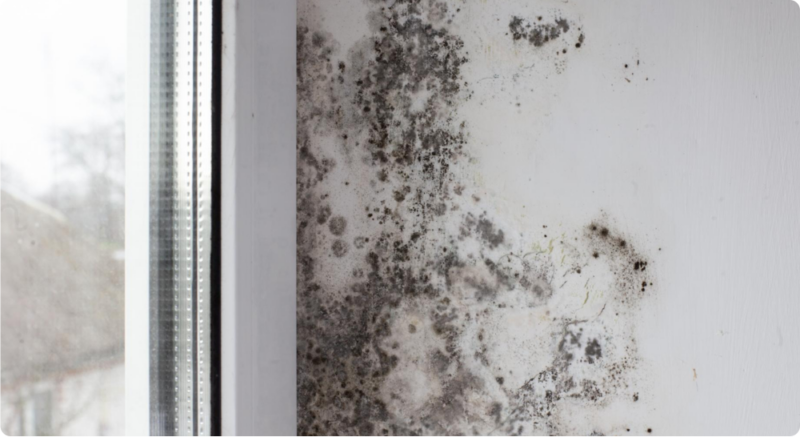
Image Credit: Magnific
Once mould finds the right conditions — dampness, limited airflow, and a surface it can feed on — it can spread faster than many homeowners expect.
That matters because mould does not stay neatly in one spot. It spreads by releasing tiny spores into the air, and those spores can be inhaled, especially in enclosed rooms with poor ventilation.
Even when the visible patch seems small, the underlying moisture problem may be affecting a wider area behind paint, plaster, ceilings, or cabinetry.
Cleaning the surface without fixing the source of moisture is one reason mould often disappears briefly and then returns.
Why Mould Is So Common in Kenyan Homes
In many Kenyan towns and cities, homes are built close together, especially in apartment blocks where neighbouring walls limit sunlight and natural airflow. Bathrooms and kitchens may have little ventilation, windows may stay shut for security or privacy, and moisture can build up quickly during rainy periods.
Add plumbing leaks, roof seepage, condensation, poor drainage, or rising damp in walls, and you have the exact conditions mould needs to thrive.
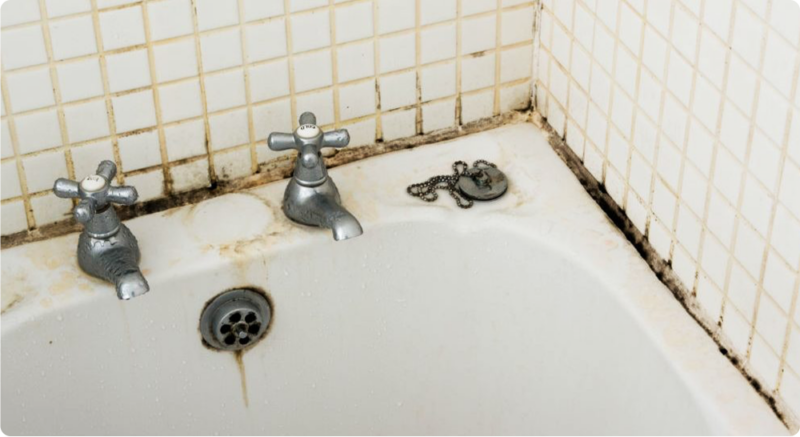
Image Credit: Magnific
Poor ventilation, hidden leaks, wall dampness, and humid conditions are major drivers of mould growth in local homes.
This is why mould is not simply a housekeeping issue. A clean home can still develop mould if the design traps moisture, if leaks go unrepaired, or if wet walls are repeatedly painted over instead of properly treated.
In many cases, the visible patch is just the symptom; the real problem is ventilation, waterproofing, drainage, or maintenance that has not been properly addressed.
Why Mould Affects Health Over Time
When mould releases spores into indoor air, the effects are not always dramatic at first. Often, they build slowly and are mistaken for recurring flu, dust allergies, or unexplained tiredness.
Research show that damp indoor spaces and mould exposure are associated with respiratory symptoms, allergies, worsening asthma, nasal irritation, and skin problems.
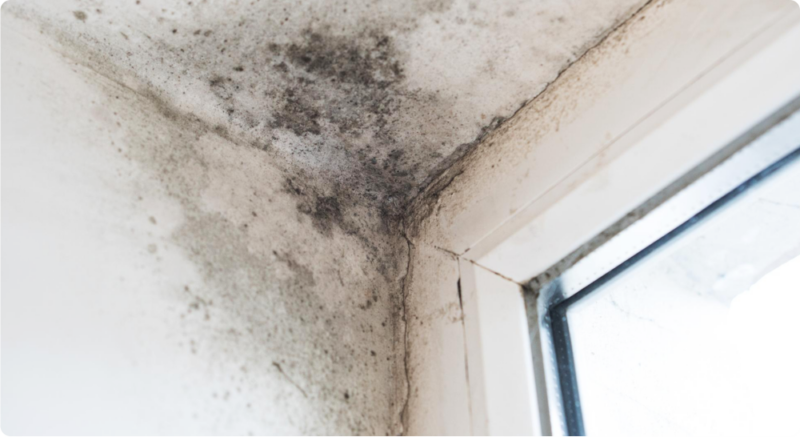
Image Credit: Magnific
Children, older adults, and people with asthma or allergy-related conditions may be especially sensitive.
- Persistent coughing or wheezing that keeps returning
- A blocked or runny nose that never fully clears
- Headaches, poor sleep, or fatigue linked to breathing discomfort
- Skin irritation, eczema flare-ups, or itchy eyes
- Asthma-like symptoms that worsen indoors, especially for children and older adults
That is why treating symptoms without addressing the home environment can feel like an endless cycle.
If the mould source remains, people may keep improving temporarily and then feeling unwell again after returning to the same damp space.
What You Can Do – and When to Call a Professional
There are practical steps homeowners can take to reduce the risk of mould, especially after rainy weather or when moisture builds up indoors. The goal is to reduce dampness early before it becomes a recurring wall, ceiling, or air quality problem.
We recommend mould prevention by quick leak repairs, better airflow, and moisture control as the first line of defence. Repainting over mould without fixing dampness will not solve the issue permanently.
- Fix plumbing leaks and roof seepage as early as possible.
- Ventilate bathrooms and kitchens during and after use.
- Let sunlight and fresh air into the home daily where possible.
- Check walls and ceilings after heavy rains for new damp patches, peeling paint, or mould spots.
- Avoid simply scrubbing and repainting if the damp smell or staining keeps returning.
But if mould keeps returning, spreads quickly, comes with peeling paint, or is paired with a persistent damp smell, it is time to involve a professional fundi, handyman, or technician.
A good professional does more than wipe the surface.
They help identify the moisture source, recommend the right repair, and work toward a longer-term solution instead of a short-lived cosmetic fix.
A Healthier Home Starts with the Right Fix
Mould is more than an unsightly inconvenience. It is a warning sign that moisture is staying where it should not, and that can affect both health and property over time.
Fixo Solutions Limited, connects homeowners, landlords, and property managers with trusted technicians and fundis who can assess mould problems, fix moisture issues, and help make homes safer and healthier.
If health issues keep returning despite treatment, it may be time to look beyond medicine — and take a closer look at your home.

Frequently Asked Questions: Mould in Homes in Kenya
Q: Is mould in the house just a cosmetic problem?
A: No. Visible mould is usually a sign of ongoing dampness or moisture problems. Beyond staining walls and damaging finishes, mould exposure is associated with respiratory symptoms, allergies, asthma flare-ups, and skin irritation, especially in damp indoor environments. Indoor mould and dampness are categorised as health hazards.
Q: Why does mould keep coming back even after cleaning?
A: Because visible mould is often only the surface result of a deeper moisture problem. If leaks, poor ventilation, wall dampness, roof seepage, or condensation are not fixed, mould can regrow even after the wall has been scrubbed or repainted. Painting over mould without solving the dampness will not provide a lasting fix.
Q: When should I call a professional for mould in my home?
A: Call a professional when mould keeps returning, spreads quickly, appears after heavy rain, comes with peeling paint or a strong damp smell, or when people in the home keep developing recurring symptoms that seem worse indoors. A professional can help trace the source of the moisture and recommend a solution that goes beyond surface cleaning.