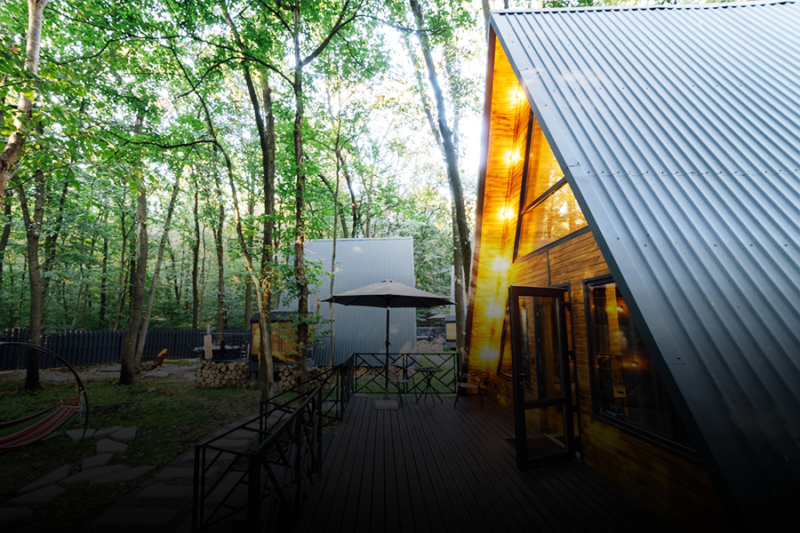

In today’s fast-paced, urban-centric world, there’s a growing desire to reconnect with nature and create spaces that promote well-being. Biophilic design, a concept that seeks to bring the outdoors into our indoor environments, offers a powerful solution. In this article, we will explore the principles of biophilic design and provide practical tips on how to incorporate it into your home, creating a harmonious and nature-inspired living space. We’ll also highlight how interior designers are embracing these principles.
Understanding Biophilic Design
Biophilic design, derived from the Greek words “bio” (life) and “philia” (love), is a design philosophy that emphasizes our innate connection with nature. It seeks to create spaces that mimic natural environments, incorporating elements like natural light, plants, and organic materials. The goal is to improve our physical and psychological well-being by fostering a stronger connection to the natural world.
The Benefits of Biophilic Design
Biophilic design is more than just a trend; it’s backed by scientific research. Here are some key benefits:
- Stress Reduction: Exposure to natural elements in interior spaces has been shown to reduce stress levels and increase relaxation.
- Improved Productivity: Incorporating biophilic elements in workspaces can boost productivity, creativity, and overall job satisfaction.
- Enhanced Well-Being: Biophilic design can lead to improved mood, concentration, and cognitive function.
- Better Air Quality: Indoor plants not only enhance aesthetics but also help purify the air by removing toxins.
Practical Tips for Incorporating Biophilic Design
Now that we understand the value of biophilic design, let’s explore some practical ways to incorporate it into your home and learn how interior design companies in Kenya are integrating these principles.
1. Abundant Natural Light
Maximize natural light by using large windows, skylights, and glass doors. This not only floods your space with sunlight but also provides a visual connection to the outdoors. Arrange furniture to make the most of natural light and avoid blocking it with heavy curtains or blinds.
2. Natural Materials
Embrace natural materials like wood, stone, and bamboo in your interior design. Use these materials for flooring, furniture, and decor. The tactile qualities of these materials evoke a sense of nature and authenticity in your space.
3. Indoor Plants
Houseplants are one of the most accessible ways to introduce biophilic design into your home. Place potted plants or hanging gardens in various rooms. Choose low-maintenance varieties if you’re not a seasoned gardener. Plants not only improve air quality but also add life and color to your interiors.
4. Nature-Inspired Colors
Incorporate colors from the natural world into your design palette. Earthy tones like greens, blues, browns, and soft pastels create a calming and soothing atmosphere. These colors can be used on walls, furniture, and accessories.
5. Views of Nature
If you’re lucky enough to have scenic outdoor views, capitalize on them. Position your furniture to take full advantage of picturesque vistas. If your view isn’t particularly captivating, consider creating an attractive focal point within your home using nature-inspired art or decor.
6. Water Features
The sound of flowing water can have a calming effect. Incorporate water features like indoor fountains or tabletop water gardens to introduce this element of nature into your home.
7. Natural Textures
Incorporate a variety of textures inspired by the natural world. Think about adding textured cushions, rugs, or curtains. The tactile experience of different textures can enhance the overall sensory appeal of your space.
8. Organic Shapes and Patterns
Choose furniture and decor with organic shapes and patterns, such as leaf-like designs or flowing lines reminiscent of nature. This adds a subtle but effective touch of biophilic design.
9. Flexible Spaces
Design flexible spaces that allow for both social interaction and moments of solitude. Create cozy nooks with comfortable seating, where you can read a book while basking in natural light or the presence of indoor plants.
10. Natural Fragrances
Aromatherapy using natural scents like essential oils can complement your biophilic design. Consider using diffusers or scented candles with scents inspired by nature, like pine, lavender, or citrus.
Conclusion
Incorporating biophilic design into your home is not only aesthetically pleasing but also conducive to your overall well-being. By connecting with nature in your living environment, you can reduce stress, enhance your mood, and create a more harmonious and inviting space.
Whether you live in a bustling city apartment or a countryside cottage, there are numerous ways to introduce biophilic elements into your interior design. Start small with a few potted plants or larger windows that bring in more natural light, and gradually expand your biophilic design journey. Ultimately, the goal is to create a space where you feel more connected to the natural world, reaping the physical and psychological benefits of this remarkable design philosophy. Interior design companies in Kenya are also incorporating these principles into their projects, helping homeowners create sustainable and nature-inspired living spaces that reflect the beauty of the region. Explore our article on the Top 10 Interior Designers in Kenya to discover the companies that can turn your dream home into a reality.