
Electrical repairs are among the most critical services in any home. Unlike many other maintenance issues, electrical faults pose immediate safety risks — from fires and electric shocks to appliance damage and total power failure.
Across Kenya, electrical repair requests continue to rise as homes become more power-dependent. Modern households now rely on multiple appliances, security systems, outdoor lighting, solar power setups, water pumps, and smart home features. While these systems improve comfort and convenience, they also place greater strain on electrical infrastructure — especially in older buildings or poorly wired homes.
This guide explores common electrical repair issues in Kenya, explains what causes them, outlines possible remedies, and highlights why professional electrical services are essential for safety, reliability, and long-term value.
⚡ Electrical work is not an area for guesswork
Complex electrical systems such as distribution boards, outdoor lighting, solar integrations, pumps, and security systems require verified professionals.
Through our partner Fixo Solutions, homeowners can access vetted electricians experienced in specialised electrical repairs across Kenya.
👉 Find a Verified Electrician
Understanding Residential Electrical Systems in Kenya
Most Kenyan homes operate on a single-phase or three-phase electrical supply, distributed through a central distribution board (DB). From this point, power is routed to lighting circuits, socket outlets, appliances, outdoor systems, and auxiliary equipment such as pumps and heaters.
Electrical problems usually arise from:
- Overloaded circuits
- Ageing wiring
- Poor installation practices
- Inadequate protection devices
- Unauthorised or DIY modifications
What appears as a simple fault often reflects a deeper system imbalance.
Common Electrical Repair Problems in Kenya
Power Outages Within the Home
When only part or all of a home loses power, the issue is often internal rather than a utility failure.
Possible causes include:
- Tripped circuit breakers
- Faulty residual current devices (RCDs)
- Short circuits
- Overloaded circuits
Repeated tripping is not normal. It indicates an underlying fault that needs investigation.
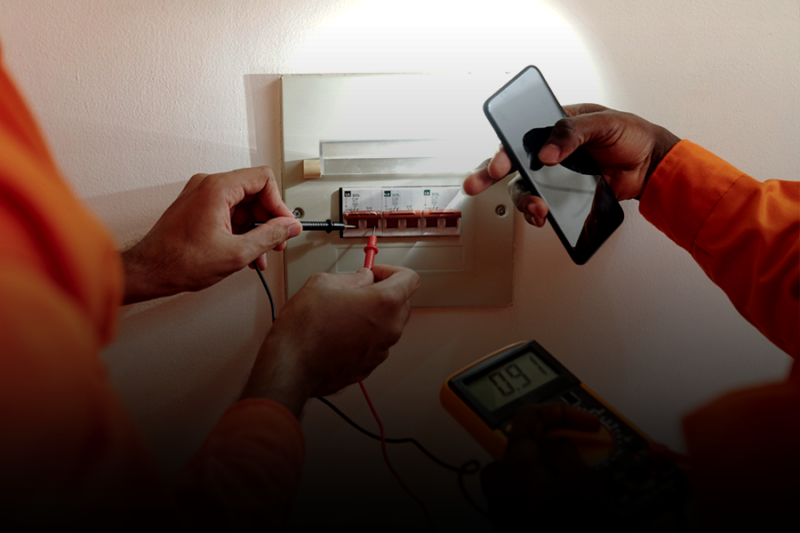
Professional electricians test circuits, isolate faults, and ensure protective devices are correctly rated — rather than simply resetting breakers and hoping the problem disappears.
Faulty or Exposed Wiring
Exposed or deteriorating wiring is common in older homes and rental properties. Over time, insulation breaks down, especially in areas exposed to heat, moisture, or pests.
Common warning signs include:
- Flickering lights
- Burning smells
- Discoloured sockets or switches
- Buzzing sounds
These issues significantly increase fire risk and should never be ignored.
Professional electrical repairs involve:
- Replacing damaged wiring
- Securing cables correctly
- Ensuring insulation integrity
- Testing circuit safety
Overloaded Sockets and Circuits
As households add appliances, many electrical systems are pushed beyond their original capacity.
Typical overload causes:
- Too many appliances on one circuit
- Extension cords used permanently
- High-load appliances sharing outlets
Overloaded circuits overheat silently behind walls, making them particularly dangerous.
Electricians assess load distribution and may recommend:
- Additional circuits
- Socket upgrades
- DB board reconfiguration
Faulty Switches and Power Sockets
Loose or non-functional switches and sockets are often dismissed as minor issues, but they can indicate deeper wiring problems.
Common symptoms include:
- Sparks when plugging in appliances
- Loose socket fittings
- Intermittent power
Professional repair ensures proper connections, secure mounting, and safe current flow.
Lighting Problems (Indoor & Outdoor)
Lighting issues range from flickering bulbs to complete failure of lighting circuits.
Common causes include:
- Loose wiring
- Incorrect fittings
- Voltage fluctuations
- Poor outdoor weatherproofing
Outdoor lighting systems — including garden lights and security lighting — are especially vulnerable to moisture and incorrect installation.
💡 Outdoor and specialised lighting requires proper electrical protection
Weather exposure, incorrect earthing, and poor connections can lead to short circuits and safety hazards.
Distribution Board (DB) Problems
The distribution board is the heart of a home’s electrical system. Faults here affect the entire property.
Common DB issues include:
- Outdated fuse boards
- Incorrect breaker sizing
- Missing or faulty RCDs
- Poor labelling and organisation
An improperly configured DB increases fire risk and makes fault detection difficult.
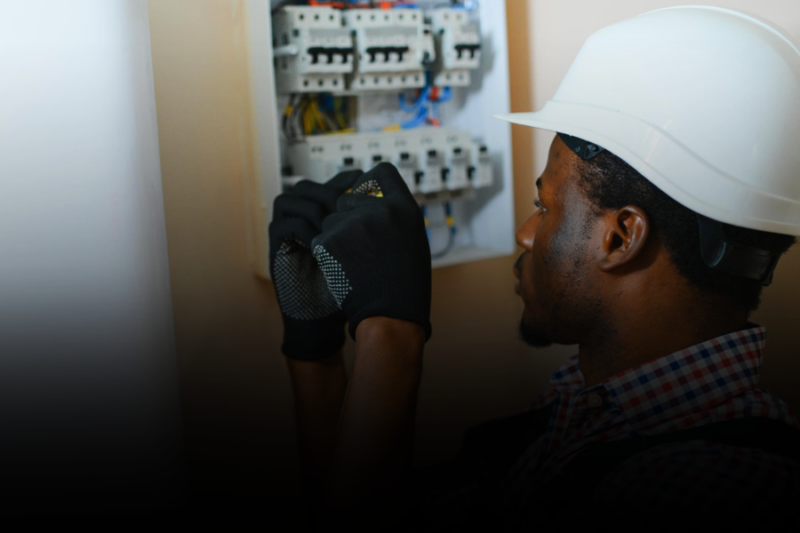
Professional electricians upgrade DB boards to modern safety standards, ensuring proper circuit protection and easier maintenance.
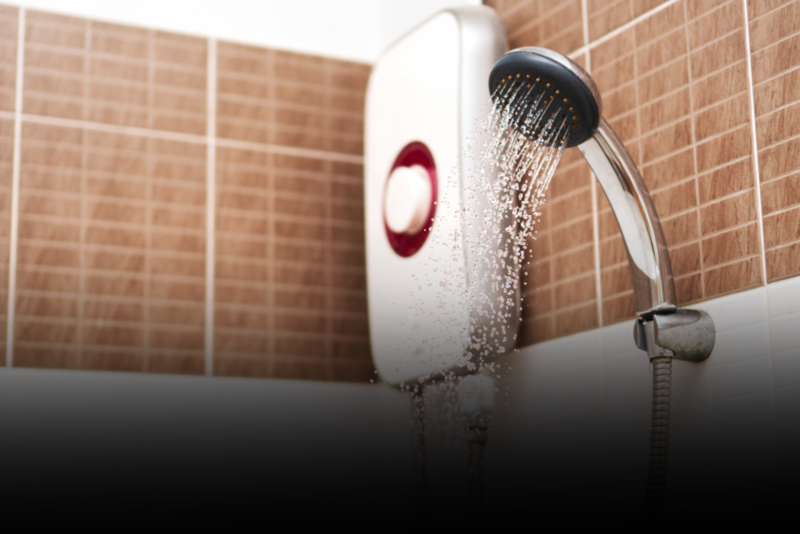
Electrical Issues with Water Pumps and Heaters
Water pumps and heaters combine electrical and mechanical systems, making faults more complex.
Common issues include:
- Tripping breakers when pumps start
- Burnt pump motors
- Faulty heater thermostats
- Inadequate circuit protection
Incorrect electrical installation is a leading cause of premature equipment failure.
🚿 Pumps and heaters require coordinated electrical expertise
Incorrect wiring or protection can damage equipment and create safety risks.
Electrical Problems in Solar Power Systems
Solar installations are increasingly common across Kenya, but many electrical issues arise from:
- Poor inverter wiring
- Incorrect changeover switches
- Faulty earthing
- Incompatible system components
Solar systems must integrate seamlessly with grid power for safe operation.
Professional electricians ensure:
- Correct system configuration
- Safe switching between power sources
- Compliance with safety standards
Burning Smells, Sparks & Electrical Shocks (Emergency Issues)
These are critical warning signs and should be treated as emergencies.
Immediate causes may include:
- Short circuits
- Loose connections
- Overheated wiring
- Faulty appliances
Power should be isolated immediately, and professional help sought without delay.
Why DIY Electrical Repairs Are Dangerous
Electrical repairs are fundamentally different from many other home fixes. Mistakes can lead to severe injury, fires, or loss of property.
DIY electrical work often fails because:
- Faults are misdiagnosed
- Incorrect wiring methods are used
- Safety devices are bypassed
- Load calculations are ignored
Temporary fixes may appear successful but often worsen underlying issues.
🚫 Electrical repairs are not trial-and-error work
Complex systems, concealed wiring, and high-load circuits require verified professionals.
Electrical Safety, Family Protection & Property Value
Electrical safety is directly linked to family wellbeing. Exposed wires, faulty sockets, and unsecured outdoor lighting create risks for children and pets.
Regular professional inspections help identify hazards before accidents occur.
From a property perspective, electrical issues significantly reduce value. Buyers and tenants are wary of homes with outdated wiring, unsafe installations, or visible electrical faults.
Well-maintained electrical systems:
- Improve safety
- Increase reliability
- Enhance resale appeal
- Reduce insurance risk
Electrical Repairs for Rental Properties & Diaspora Homeowners
For landlords and diaspora homeowners, electrical problems can be particularly challenging. Tenants depend on reliable power, and faults often require urgent attention.
Professional electrical services help by:
- Resolving issues quickly and correctly
- Reducing repeat call-outs
- Ensuring compliance with safety standards
🌍 Managing home electrical repairs remotely?
Fixo Solutions provides access to verified electricians, reliable communication, and dependable service — making remote property management easier.
👉 Request a Verified Electrician
Choosing the Right Electrical Repair Service in Kenya
When hiring electricians, homeowners should prioritise:
- Relevant experience and specialisation
- Clear explanation of faults and solutions
- Proper safety procedures
- Transparent pricing
Using vetted platforms reduces risk and improves outcomes.
Preventive Electrical Maintenance: The Smarter Choice
Many electrical failures are preventable with routine checks.
Preventive maintenance includes:
- Inspecting wiring and sockets
- Testing breakers and RCDs
- Reviewing load distribution
- Checking outdoor and wet-area installations
Preventive care reduces emergencies and extends system lifespan.
Electrical Repairs, Kenyan Building Codes & Compliance
Electrical work in Kenya is governed by national building and safety standards designed to protect lives and property. Regulations under the Energy Act, overseen by the Energy and Petroleum Regulatory Authority (EPRA), require that electrical installations, repairs, and system upgrades meet approved safety and performance standards. In addition, electrical materials and workmanship are expected to comply with standards set by the Kenya Bureau of Standards (KEBS), including internationally aligned IEC wiring and equipment guidelines.
For new builds, renovations, or major electrical modifications, county governments may also require inspections or approvals to ensure compliance with local building regulations. Using unqualified electricians or informal repairs increases the risk of non-compliance, which can lead to safety hazards, failed inspections, insurance issues, or costly rework. This is why engaging trained, professional electricians is not just best practice — it is essential for meeting Kenya’s legal, safety, and building code requirements.
Final Thoughts: Electrical Repairs in Kenya
Electrical repairs are not just about restoring power — they are about protecting lives, property, and long-term value. Many electrical faults start small but escalate quickly when ignored or handled incorrectly.
By understanding common electrical problems and choosing professional repair services, homeowners can avoid unnecessary risks and costly damage.
For specialised electrical repairs — from DB boards and pumps to solar systems and outdoor lighting — working with verified professionals matters.
Disclaimer:
This article is for general informational purposes only and does not constitute legal or regulatory advice. Building codes and electrical requirements in Kenya may vary and change. Always consult qualified professionals and relevant authorities before undertaking electrical work.