
After you’ve built your dream home, your journey doesn’t end there. Ongoing care and maintenance are just as important as the construction itself. Many homeowners focus on the build — choosing designs, materials, and finishes — but not what happens after. Without regular attention, small issues can turn into costly repairs. In this guide we help you understand why home maintenance matters and how to keep your home in perfect condition year-round.
A reputable home builder will always be upfront about the importance of ongoing maintenance. Features such as swimming pools, outdoor lighting systems, landscaped gardens, solar panels, water pumps, security systems, and smart home features require additional professional servicing and cost to keep them functioning safely and properly.
They’ll also provide estimates on upkeep costs and guidance on how to maintain these systems. For example, a poorly maintained pool is not just an eyesore — stagnant water quickly becomes a breeding ground for mosquitoes and bacteria, posing health risks to your family. Likewise, neglecting outdoor lighting or electrical systems can lead to short circuits, while unmaintained solar panels lose efficiency over time. Preventive maintenance saves money, preserves value, and ensures safety.
For families in particular, home maintenance is also about child safety. Broken tiles, exposed wires, unsecured gates, and slippery surfaces can all create hazards for children and pets. Regular inspection of outdoor areas, play zones, staircases, and water features ensures a safer environment for everyone at home.
Maintaining your home also has a direct effect on its market value. A well-kept property signals care and attention to detail, making it far more attractive to potential buyers. Homes that receive regular upkeep retain their aesthetic appeal and structural integrity — neglected homes lose value quickly. Buyers don’t like inheriting hefty repair bills or sudden hidden issues after purchase. Home maintenance is a non negotiable and when securing better resale price.
In this guide you’ll learn:
- Why regular maintenance matters in Kenya
- What handyman services cover (and when you need a specialist)
- How to choose the right home repair provider in Kenya/Nairobi
- Approximate costs and maintenance checklists
Why Your Home Needs Regular Maintenance in Kenya
Kenyan homes face unique challenges compared to many other regions.
- Weather & climate: In places like Nairobi, Mombasa and Kisumu, you’ll experience heavy rains, humid air and sun-exposure — all of which stress a buildings structure and materials.
- Aging infrastructure: Many homes built in older estates may have plumbing, wiring or structural systems that haven’t kept up with modern demands.
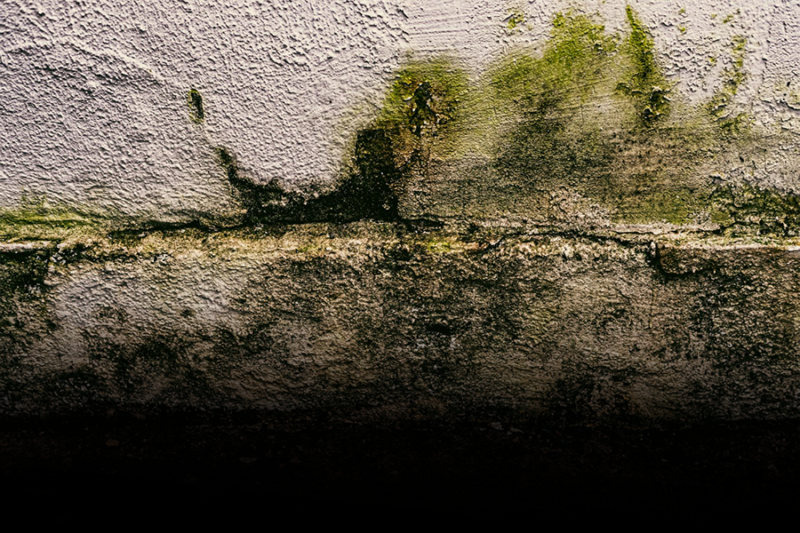
- Cost of neglect: Ignoring small issues—like a dripping tap or cracked plaster—can escalate into major repairs (roof leaks, electrical faults, mould) which cost far more.
Common Home Repair Problems in Nairobi & How a Handyman Solves Them
Leaky faucets, plumbing issues & water damage
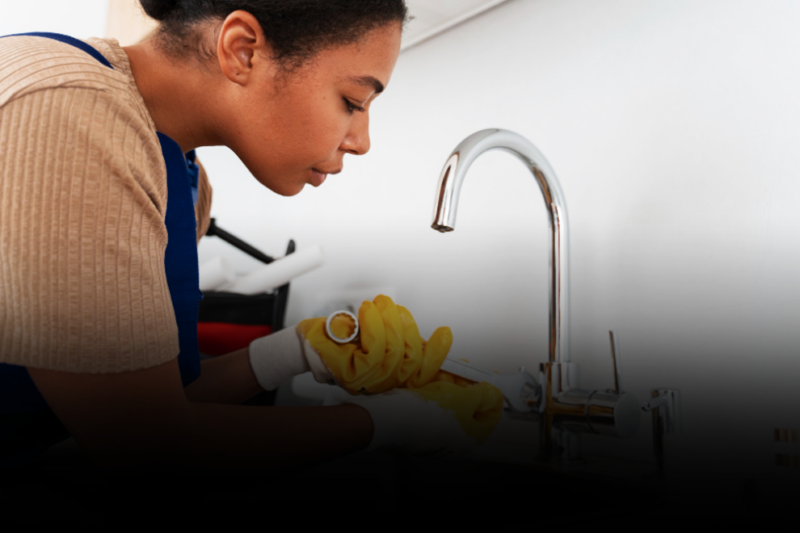
In neighbourhoods across Nairobi and greater Kenya, fluctuating municipal pressure or aging piping cause leaks. A handy provider can:
- Inspect all visible fixtures (bathroom, kitchen outdoor taps)
- Replace worn cartridges, washers or corroded joints
- Identify concealed leaks and either fix or refer to a plumbing specialist By managing leaks early you protect walls, floors and structural integrity.
Electrical faults, switches & wiring
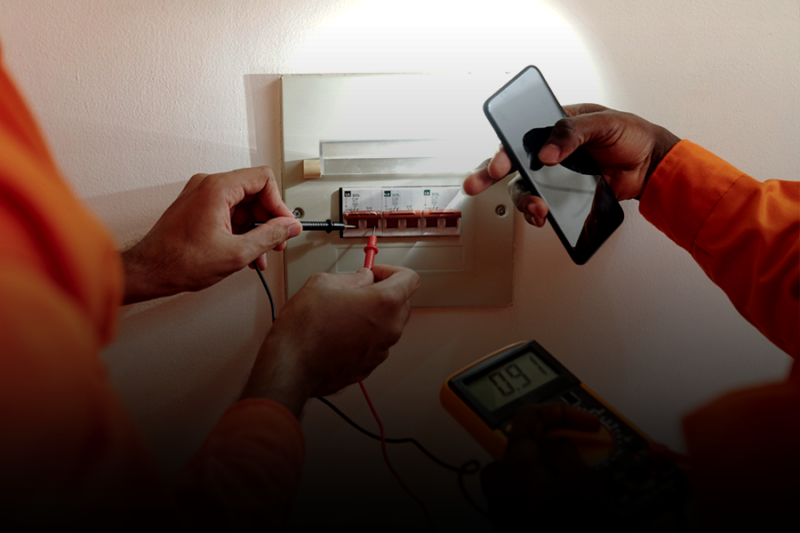
Many older homes were not built for heavy modern loads (air-conditioning units, power backup systems, etc). Look out for: flickering lights, warm plugs, tripped fuses. A handyman experienced in electrical tasks can:
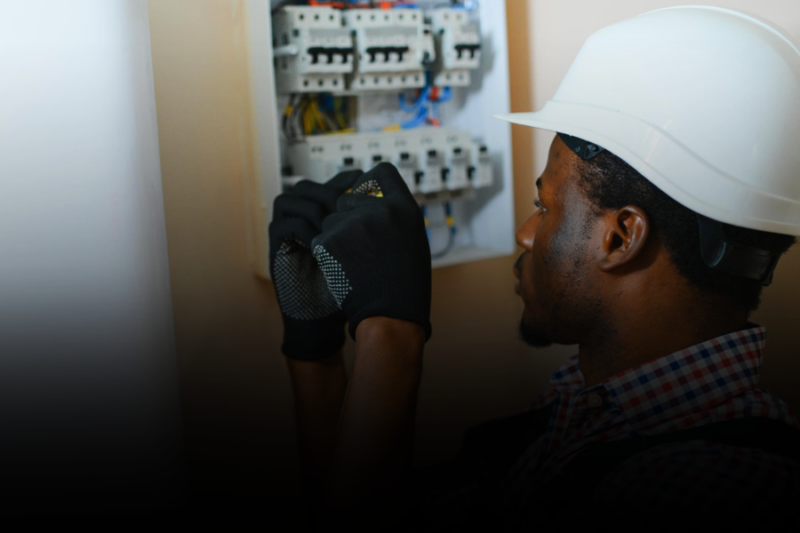
- Test fuse boxes, check earthing/grounding
- Replace outdated outlets, upgrade sockets
- Ensure basic safety compliance (for major rewires a certified electrician should be called)
Electrical fundi services deal with both safety and functionality. Even minor electrical faults can pose serious risks if handled incorrectly.
Electrical work typically covers:
- Socket and switch repairs
- Lighting installations
- Wiring faults and power outages
- Appliance connections and upgrades
Painting, decoration & surface repairs
Weather, moisture and wear show up as cracked plaster, paint peeling or damp patches. A handyman can:
- Patch and fill cracks in walls/ceilings
- Sand and prime surfaces before repainting
- Treat damp zones or corrosion before full repainting
Carpentry, doors/windows & finishing
Broken door frames, misaligned windows or worn hardware may seem small—but they affect security, insulation and comfort. A handyman can:
- Repair or replace hinges, handles, locking mechanisms
- Align windows/doors, reseal frames
- Build or fix shelves, cabinetry or custom joinery
How to Choose the Right Home Repair Service in Kenya
- Check registration, credentials & reviews
- Get detailed quotes
- Ask for guarantee/warranty
- Communication & scheduling
- Materials & craftsmanship
- Safety & insurance
- Local relevance
Types of Fundi & Handyman Services in Kenya
Most homes typically require several types of fundi services over time. Knowing which professional to call — and when — helps avoid mismatched skills and unnecessary rework.
Plumbing Repair Services
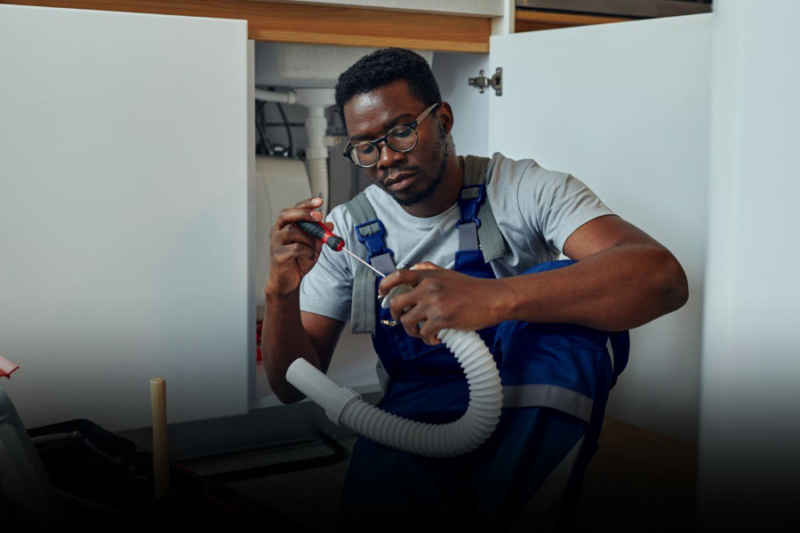
Plumbing is among the most frequently requested fundi services in Kenya. Typical jobs include leaking taps, burst pipes, blocked drains, toilet repairs, and water tank installations.
Common plumbing tasks include:
- Fixing leaks and pipe damage
- Unblocking drains and toilets
- Installing sinks, taps, and water tanks
- Bathroom and kitchen plumbing repairs
Many homeowners underestimate how quickly plumbing issues can escalate. Poor plumbing work often leads to water damage, weakened walls, mould growth, and expensive future repairs. This makes professional handling essential, even for what appears to be a small issue.
Electrical Repair Services
Professional Electrical Fundis are trained to deal with electrical issues and faults safety and can pose serious risks if handled incorrectly.
Electrical repair work typically covers:
- Socket and switch repairs
- Lighting installations
- Wiring faults and power outages
- Appliance connections and upgrades
Because electricity affects the entire home, professional workmanship is critical. Reliable electrical fundis understand safety standards, load requirements, and long-term reliability — not just quick fixes.
Masonry, Tiling & Concrete Work
Masonry and tiling work directly affects both the structure and appearance of a home. Cracks, loose tiles, uneven surfaces, and water seepage are often the result of rushed or inexperienced work.
These services commonly include:
- Wall repairs and plastering
- Floor and bathroom tiling
- Minor concrete repairs
- Finishing and surface corrections
Done properly, this work improves both structural stability and visual appeal. Done poorly, it often needs to be redone within a short time.
Carpentry Repairs & Woodwork
Carpentry fundis handle elements that are used daily, making precision and material knowledge especially important.
Typical carpentry tasks include:
- Doors, cabinets, and wardrobes
- Shelving and custom fittings
- Timber repairs and adjustments
- Interior and exterior wood finishes
Good carpentry improves usability and longevity. Poor carpentry becomes obvious very quickly.
Painting & Finishing
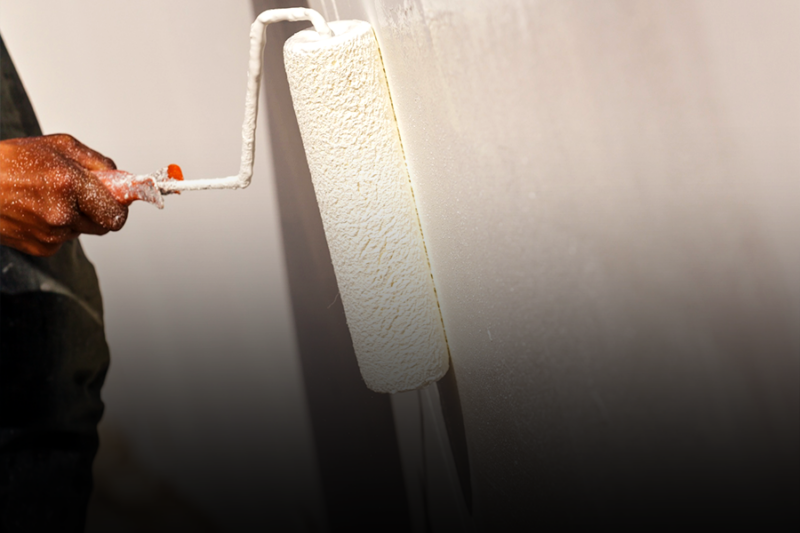
Painting is more than colour selection. Preparation, technique, and finishing all determine how long the work lasts and how professional it looks.
Typical painting services usually involve:
- Interior and exterior painting
- Surface preparation and repairs
- Waterproofing and protective coatings
- Final finishing and touch-ups
Professional painting will add charm, enhance property value and protects surfaces from wear and weather.
General Fundi & Handyman Services
Handymen and Fundis handle a mix of smaller jobs that don’t require a specialised trade but still need skill and attention.
These services often include:
- Fixture installations
- Minor repairs and adjustments
- Property maintenance tasks
- Multiple small jobs in one visit
Handyman services are especially useful for landlords, property managers, and busy homeowners.
Common Challenges When Hiring Fundis in Kenya
Even experienced homeowners report similar challenges when hiring fundis informally.
The most common issues include:
- Fundis not showing up as agreed
- Costs changing midway through a job
- Rushed or incomplete work
- Difficulty resolving issues after payment
These challenges are often not about skill alone, but about lack of process, hiring standards, and accountability.
How to Choose the Right Fundi for Your Home
Hiring a fundi starts with clarity and communication. Homeowners should understand the scope of work and ensure expectations are aligned before any job begins.
When choosing a fundi, consider:
- Relevant experience for the specific task
- Proof of past work or references
- Clear discussion of pricing and timelines
- Willingness to explain the work involved
Where possible, using a vetted service reduces uncertainty and improves outcomes.
Fundi Services vs Informal Hiring
Informal hiring through neighbours or personal referrals can sometimes work, particularly for small tasks. However, it often comes with unpredictability.
Verified handyman platforms offer:
- Pre-screened professionals
- More reliable scheduling
- Clearer accountability
- Greater peace of mind
For critical repairs, renovations, or remote management, this structure can make a significant difference.
Fundi Services for Diaspora Homeowners
Diaspora homeowners face added complexity when managing properties from abroad. Coordinating repairs remotely requires trust, consistency, and clear communication.
Professional fundi platforms help by:
- Providing reliable points of contact
- Reducing the need for constant follow-up
- Ensuring work is completed as agreed
This is particularly valuable for Airbnb and rental properties and ongoing maintenance.
Cost of Fundi & Handyman Services in Kenya
Costs vary depending on the type of work, location, urgency, and materials involved. Urban centres typically have higher rates, while emergency jobs attract premium pricing.
Rather than focusing on the lowest quote, homeowners should prioritise value:
- Professional service reduces risk
- Quality workmanship lasts longer
- Fewer repeat repairs save money
Final Thoughts
Fundi and handyman services are essential to maintaining homes across Kenya. While skilled tradespeople are widely available, how you hire matters just as much as who you hire.
Choosing professional, reliable services protects your home, your time, and your budget. Whether you need plumbing, electrical work, carpentry, or general repairs, vetted and structured options help ensure the job is done right.
👉 For dependable home repairs, use Fixo Solutions to connect with verified fundi services across Kenya.