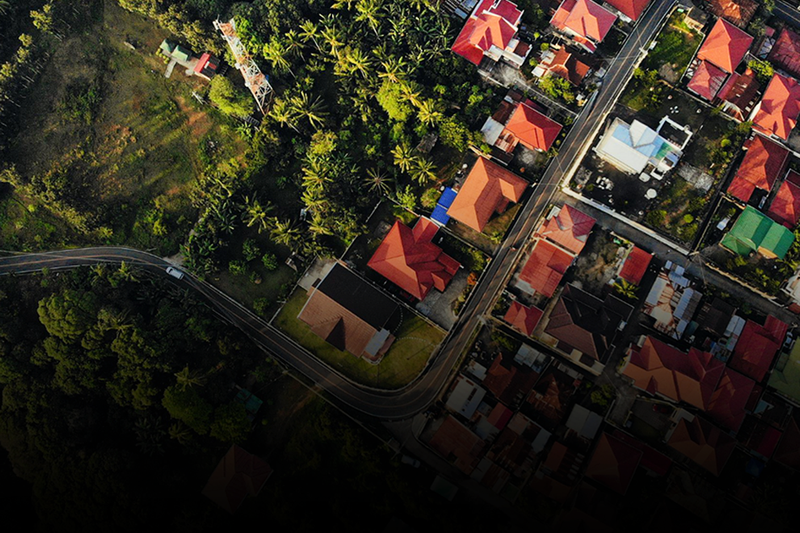

Home repairs in Kenya are among the most common and costliest challenges facing homeowners and tenants across the country. From Nairobi’s congested apartments in Eastlands to standalone bungalows in Kiambu, every residential property requires ongoing maintenance, and understanding which repairs demand professional intervention can save you thousands of shillings annually.
This guide covers the most frequent home repair issues in Kenya, explains what causes each one, and gives you a clear framework for deciding when to handle a repair yourself and when to bring in a verified handyman or fundi.
What Are the Most Common Home Repairs in Kenya?
Research and field data from property maintenance professionals across Kenya consistently identify six categories of home repair as the most frequently reported: roofing faults, plumbing leaks, electrical faults, wall cracks, door and window failures, and drainage blockages.
Each of these is directly influenced by Kenya’s climate, construction standards, and the age profile of residential housing stock.
Understanding each fault type (including what causes it and what worsens it) is the foundation of smart home maintenance.
Roof Leaks and Ceiling Damage
Roof leaks are the single most reported home repair issue in Kenya, particularly during the long rains (March-May) and short rains (October-December).

Image Credit: Shutterstock
Corrugated iron sheet roofing (dominant across low- and middle-income housing) is vulnerable to rust, dislodged sheets, blocked valleys, and cracked sealant around penetrations such as chimneys, vents, and water tanks.
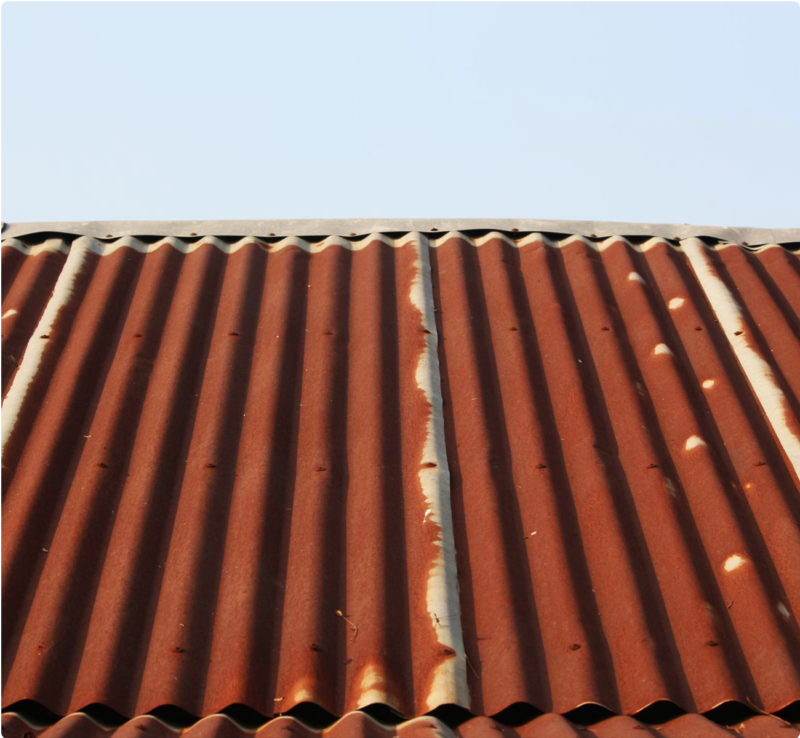
Image Credit: Shutterstock
Tile roofs common in higher-income areas can suffer from cracked or slipped tiles, failed mortar along ridges, and deteriorated underlayment.
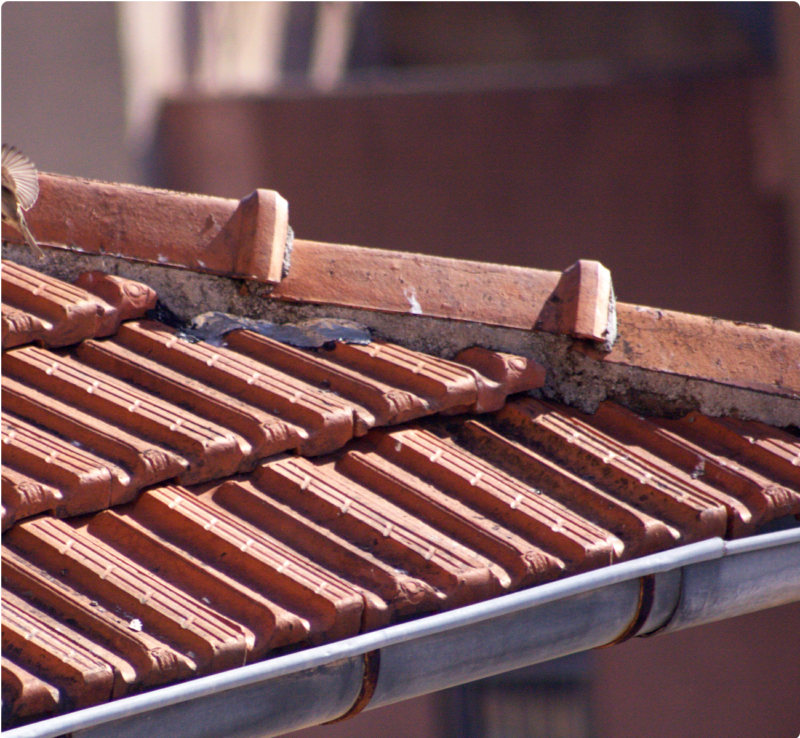
Image Credit: Shutterstock
Both roof types, if left unrepaired, allow water to reach ceiling boards and timber rafters, causing mould, structural weakening, and expensive replacement work.
When to call a handyman or fundi: If you see water stains on your ceiling, peeling paint near the top of walls, or visible rust trails from roof fixings, call a professional before the next rains arrive.
DIY roof repairs without proper safety equipment and experience carry a significant fall risk.
Plumbing Leaks and Pipe Corrosion
Kenya’s water supply in many areas, including Nairobi, Nakuru, and Mombasa, has elevated levels of calcium and magnesium, commonly called hard water, which accelerates internal corrosion in galvanized steel pipes (the most common pipe type in homes built before 2005) and causes rapid scale build-up that restricts flow and puts pressure on joints.
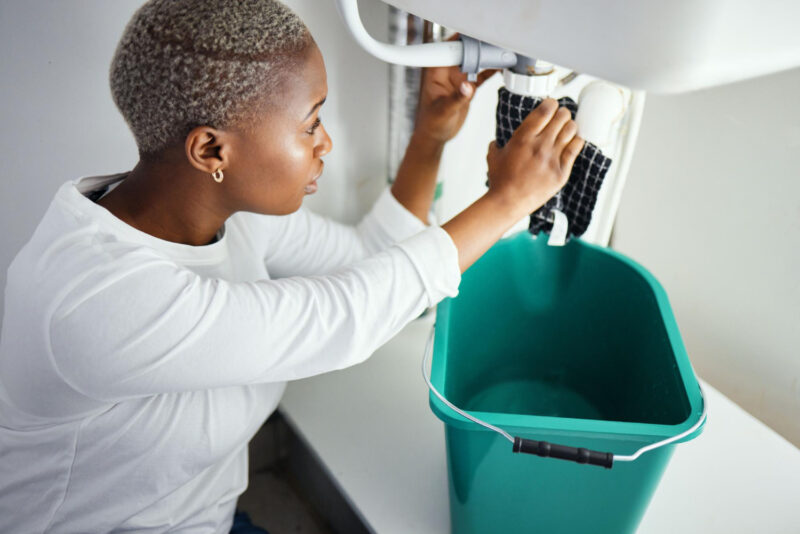
Image Credit: Shutterstock
A dripping tap wastes between 20 and 30 litres of water per day depending on the drip rate, a significant cost given Nairobi Water and Sewerage Company’s tiered billing structure.
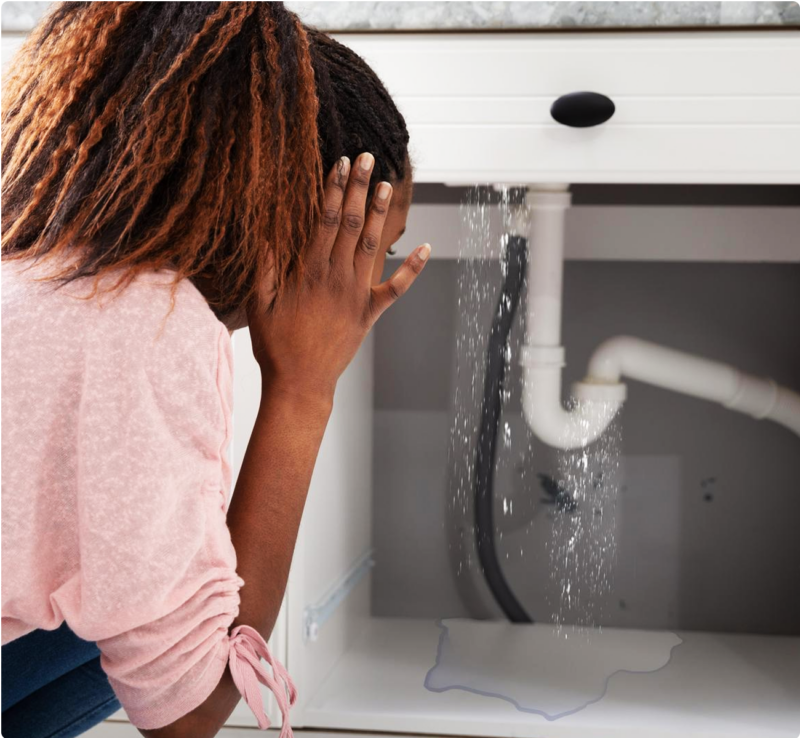
A single leaking pipe joint behind a wall can cause hidden moisture damage for months before it becomes visible.
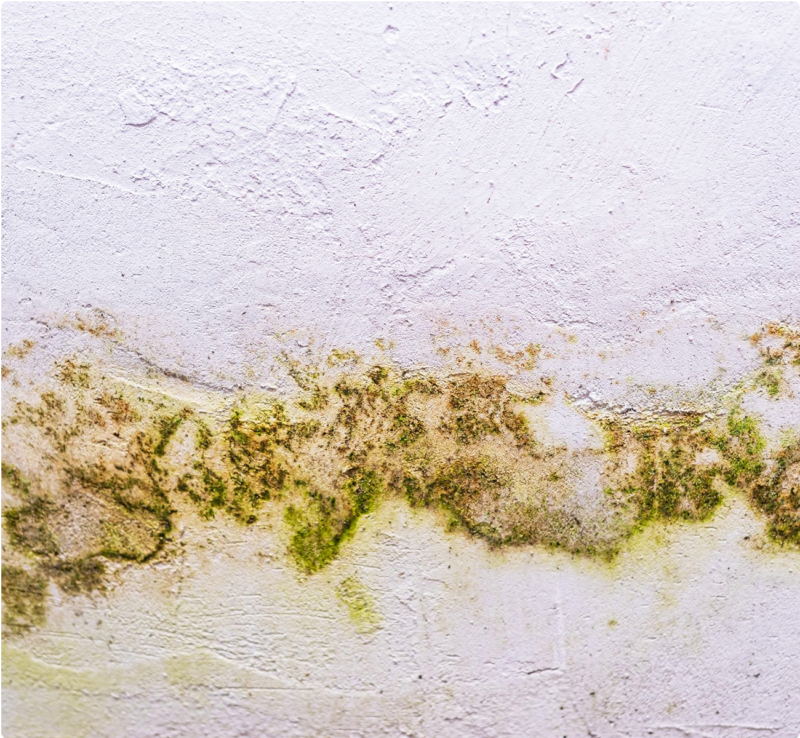
Image Credit: Shutterstock
When to call a handyman or fundi: Replace tap washers yourself if you are comfortable doing so. For any leak behind a wall, under a floor, or at a pipe joint, always use a qualified plumber.
Hidden water damage compounds silently and can destroy flooring, cabinetry, and structural timber before you realize there is a problem.
Electrical Faults
Electrical faults are among the most dangerous home repair issues and should never be treated casually.
In Kenya, common causes of residential electrical problems include overloaded circuits from the proliferation of appliances in homes wired to older standards, deteriorating rubber insulation on wiring in properties built before 1990, poor-quality socket outlets and switches, and voltage surges from Kenya Power’s grid, particularly after outages when supply is restored.
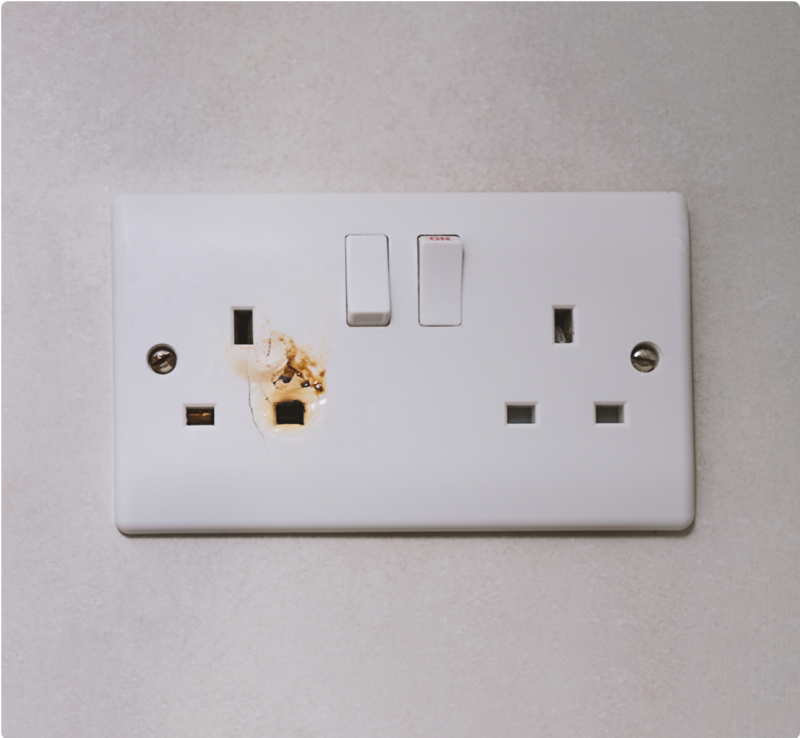
Image Credit: Shutterstock
The Kenya National Bureau of Statistics reports that electrical faults are a leading cause of residential fires in urban areas.
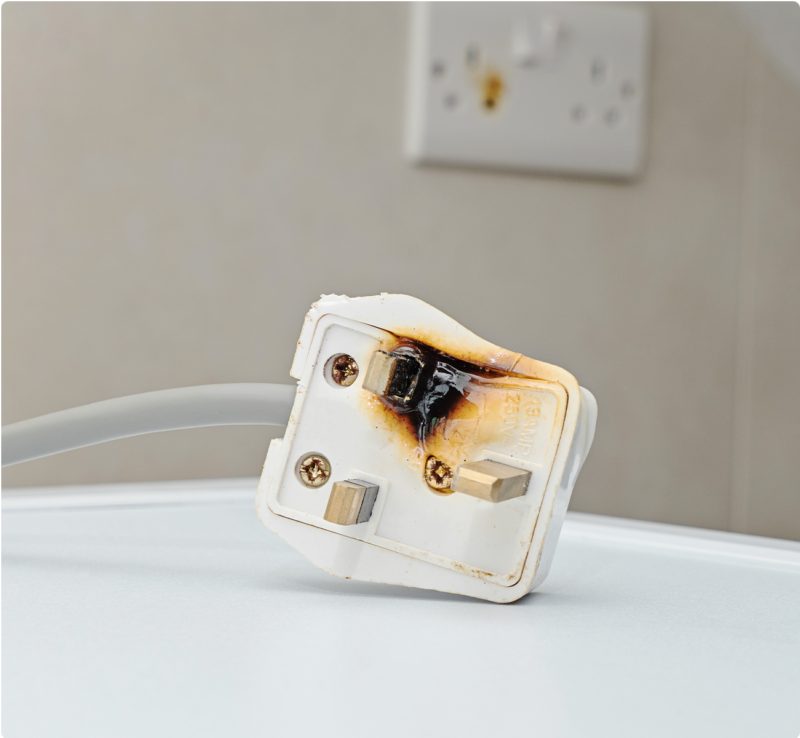
Image Credit: Shutterstock
Burnt sockets, tripping breakers, flickering lights, and a burning smell are all signals of an active or developing fault.
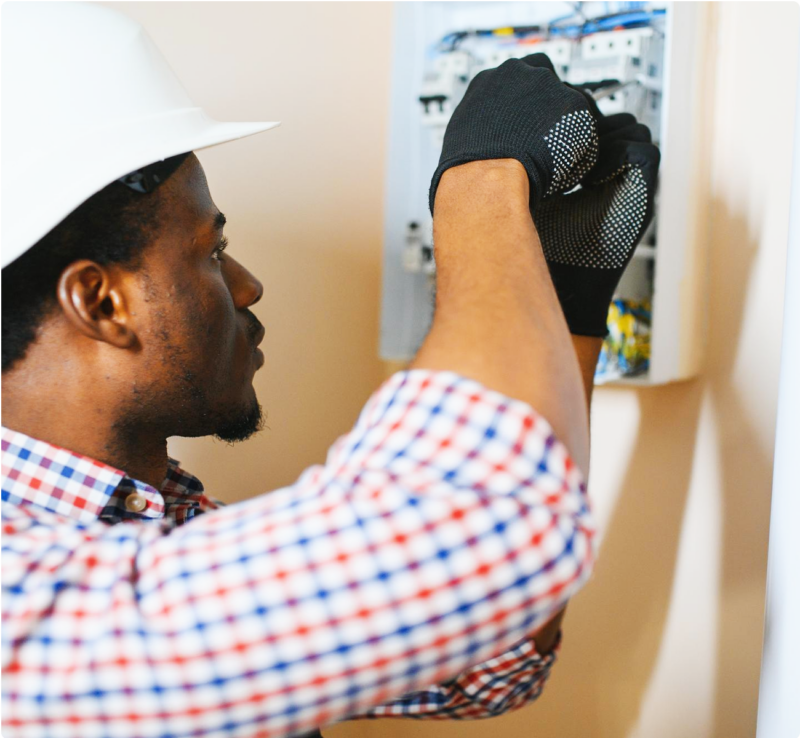
Image Credit: Shutterstock
When to call a handyman or fundi: All electrical work beyond changing a light bulb should be performed by a certified electrician. This is not a matter of convenience, it is a legal and safety requirement under Kenya’s Electrical Installation Regulations.
Wall Cracks and Plaster Failures
Wall cracks are common in Kenyan homes and range from superficial to structurally significant.
Hairline cracks at door and window corners are typically caused by normal thermal expansion and contraction and are primarily cosmetic.
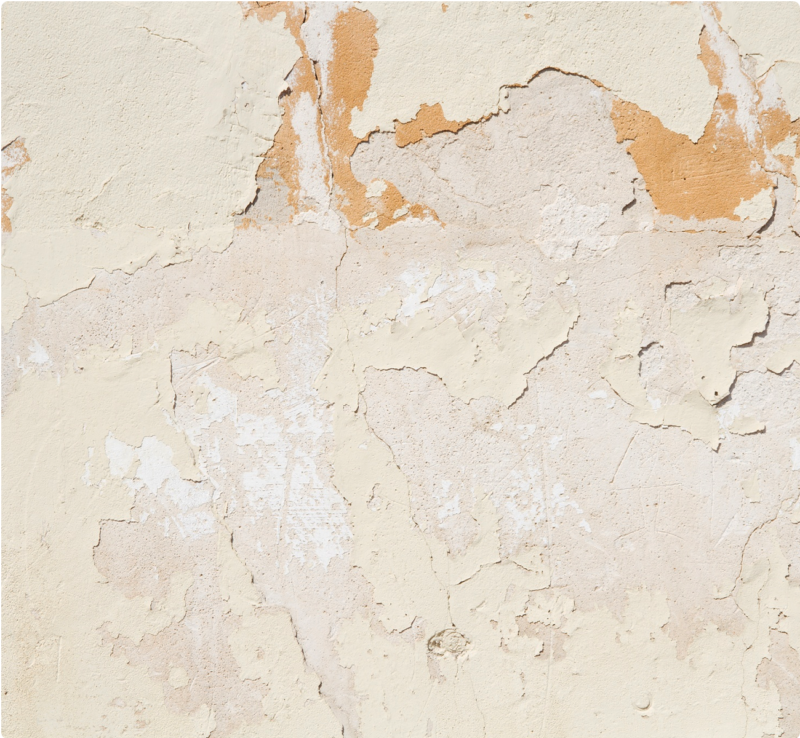
Cracks wider than 3mm, horizontal cracks in blockwork, or cracks that are wider at one end than the other (known as tapered cracks) can indicate differential settlement, tree root activity, or soil movement beneath foundations.
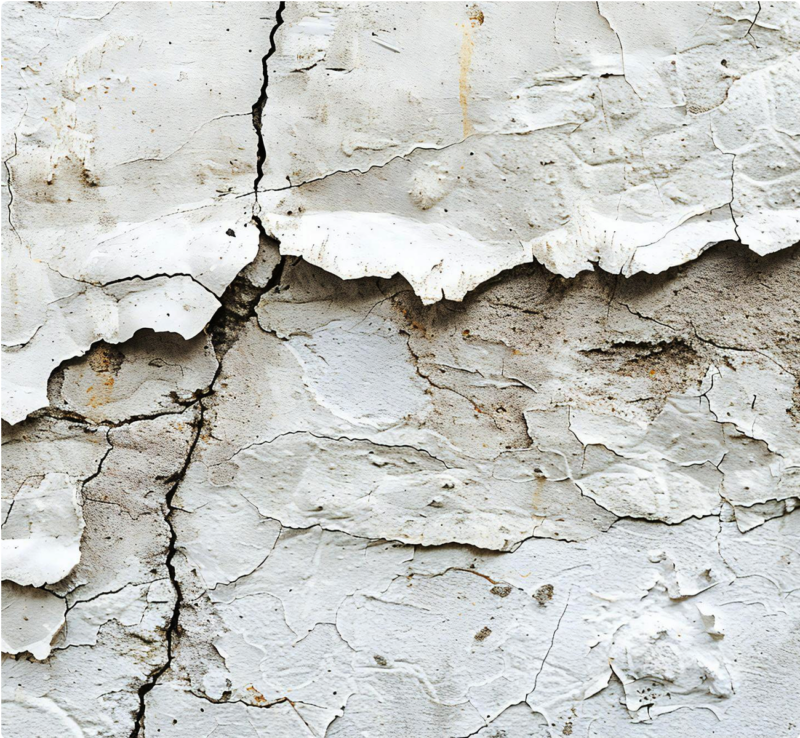
Image Credit: Shutterstock
Nairobi’s black cotton soil (prevalent in areas including Langata, Embakasi, and parts of Ruiru) is particularly problematic because it expands significantly when wet and shrinks when dry, creating cyclical stress on foundations.
When to call a handyman or fundi: Get a fundi to seal hairline cracks with a flexible filler if they have not changed in size over six months.
For any crack that is widening, recurring after sealing, or accompanied by sticking doors, call a structural Engineer for an assessment before any repair work is done.
Door and Window Failures
Doors and windows that do not close, lock, or seal properly are both a comfort issue and a security risk.
In Kenya’s humid coastal regions and rainy highland areas, timber door frames swell with moisture absorption, causing warping and misalignment.
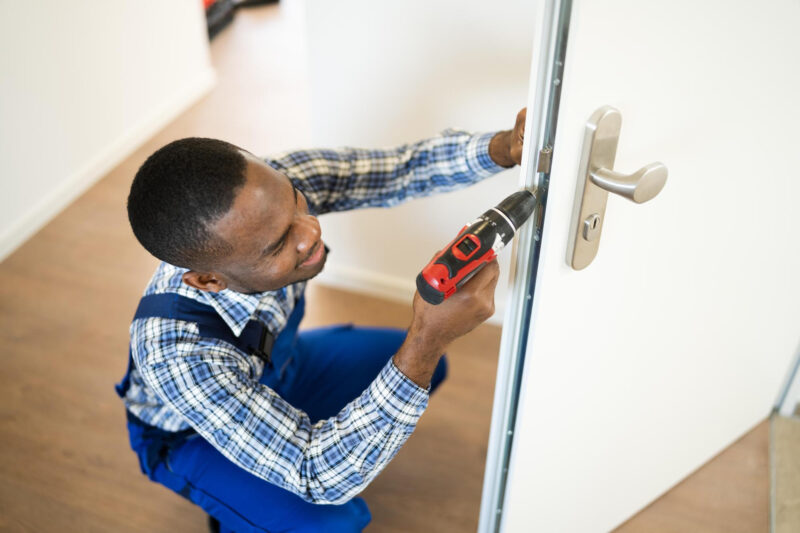
Image Credit: Shutterstock
Metal door frames corrode at the base, particularly in areas with poor drainage. Aluminium windows in apartment blocks suffer from worn rubber seals and failed handles from repeated use.
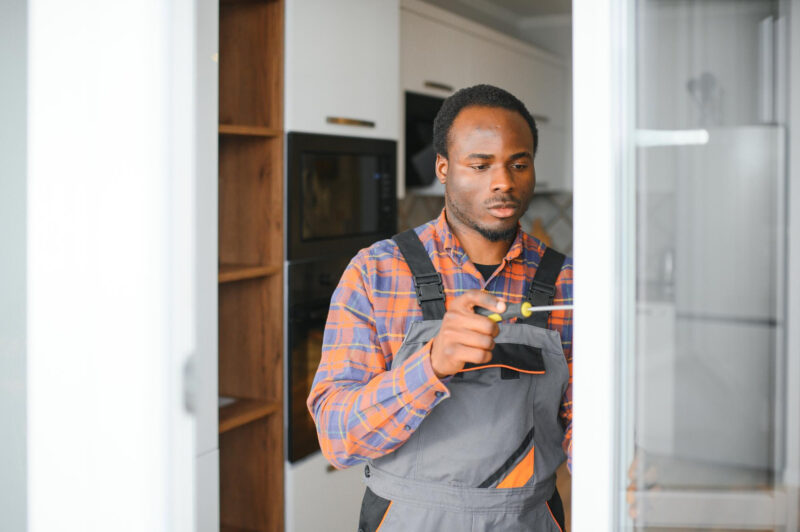
Image Credit: Shutterstock
When to call a handyman or fundi: Minor adjustments (tightening hinges, planning a sticking edge) can be DIY projects.
Failed locks, damaged frames, or any security-related failure should be addressed professionally and promptly.
Drainage Blockages
Blocked drains and sewers are a recurring problem in Kenyan urban housing, particularly in older estates where drainage pipes are undersized by modern standards and gradient issues prevent self-cleaning flow. Compound drainage around foundations is frequently overwhelmed during heavy rains, leading to flooding and moisture ingress into ground-floor rooms.
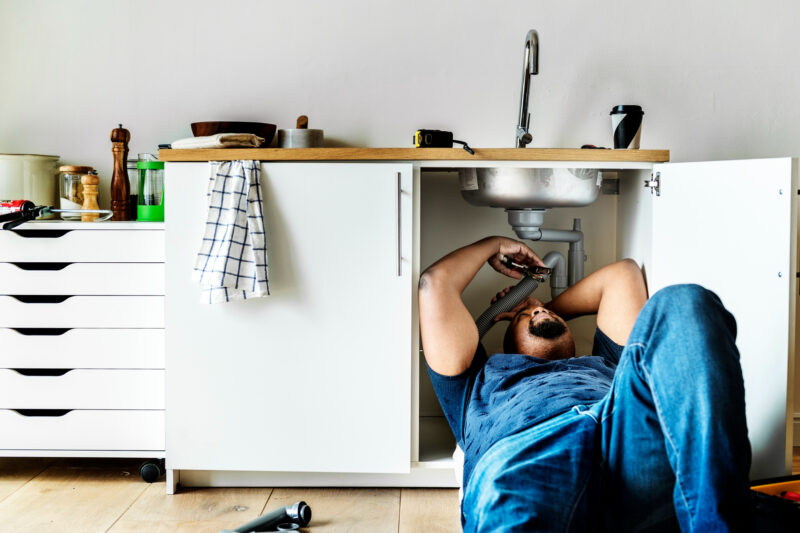
Image Credit: Shutterstock
When to call a handyman or fundi: A plunger handles minor sink and toilet blockages. Recurring blockages, slow drainage across multiple outlets, foul smells from drains, or water pooling in your compound after light rain all indicate a systemic issue that needs professional drain clearing or landscaping assessment.
DIY vs Professional: A Clear Decision Framework
The decision to DIY or call a handyman/fundi should be based on three questions: Does the repair involve electricity, gas, or structural elements? Could getting it wrong cause more damage than the original fault? Are you missing the correct tools and materials for the job?
If the answer to any of these questions is yes, call a professional. The cost of a qualified handyman/fundi visit is almost always less than the cost of repairing a DIY mistake, and in the case of electrical or structural work, the safety stakes are simply too high to take chances.
Verified handymen or fundis are available through platforms like Fixo Solutions. They are background-checked, skills-assessed, and reviewed by previous clients, giving you confidence in both the quality of work and the security of having a known professional in your home.

Seasonal Repair Priorities for Kenyan Homes
Kenya’s climate creates a natural maintenance calendar. In the weeks before the long rains (February to March), prioritise roof inspection, gutter clearing, compound drainage, and sealing of any external cracks. These proactive steps significantly reduce the likelihood of rain-season emergency repairs.
During the dry seasons (January to February and July to September) focus on painting, plastering, and any external structural work. Dry conditions allow materials to cure correctly and give you maximum working time before the next rains arrive. Water heater and electrical inspection are best scheduled during dry months when access to roof voids and external components is safest.
A simple annual maintenance diary (noting which tasks are completed each month) transforms home maintenance from a reactive scramble into a predictable, budgeted activity. Over two to three years, this record also provides valuable data on repair frequency by system, helping you identify which components are approaching end of life and plan replacements before they fail.
Frequently Asked Questions: Home Repairs in Kenya
Q: How much does a handyman or fundi cost in Kenya?
A: Handyman costs in Kenya typically range from KES 500 for minor repairs such as tap washer replacement to KES 15,000 or more for complex jobs such as full electrical circuit installation. Most standard repair jobs fall in the KES 1,500 to 5,000 range for labour, excluding materials.
Q: Who is responsible for home repairs, landlord or tenant?
A: Under Kenyan tenancy law, landlords are generally responsible for structural repairs, plumbing, electrical systems, and the building fabric. Tenants are responsible for minor day-to-day maintenance such as cleaning drains and replacing light bulbs. Always review your tenancy agreement for specific terms.
Q: What repairs should never be DIY?
A: In Kenya, electrical wiring, gas installations, structural wall removal, roof replacements, and any repair requiring work in a live electrical panel should always be handled by a certified professional.
Q: How do I find a reliable handyman or fundi in Nairobi?
A: The most reliable method is to use a verified platform such as Fixo Solutions which vet their handymen through identity checks, skills assessments, and client reviews. Avoid sole-reliance on unverified social media referrals for significant repair jobs.