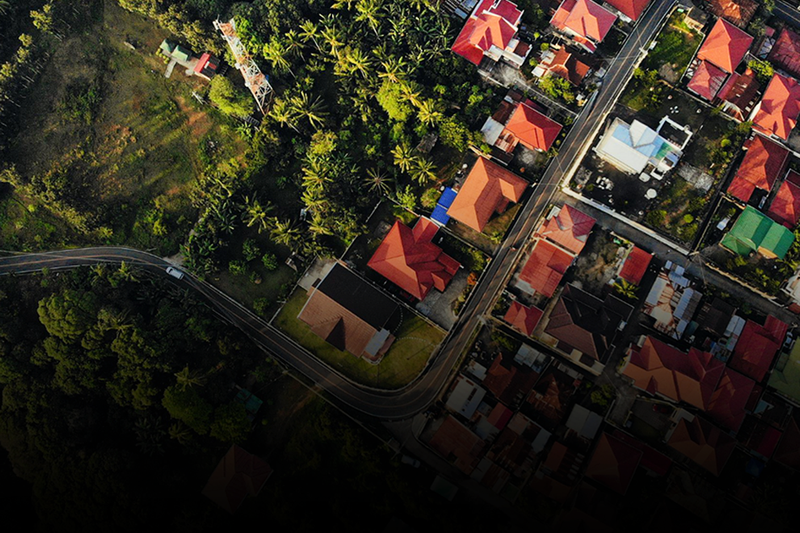

Mombasa is unlike any other city in Kenya’s housing market. From the bustling streets of Old Town to the modern villas of Nyali and the resort vibe of Shanzu, coastal living is full of charm and opportunity. Palm trees, ocean breezes, and proximity to the Indian Ocean create an idyllic lifestyle — but one that demands careful planning when it comes to construction.
Building in Mombasa isn’t just about beauty. Salt, humidity, and heavy rainfall mean durability must come first. Let’s explore what it really costs to build here in 2026, and how the different neighbourhoods compare.
Why Mombasa Building Costs Differ
Unlike inland regions, Mombasa’s coastal climate adds unique challenges:
- Corrosion resistance – salt in the air eats into untreated steel and iron.
- Moisture proofing – foundations, roofs, and walls need extra sealing.
- Import logistics – many premium materials are shipped through the port, adding to costs.
These factors mean costs are higher, but homes built right can deliver long-term value and appreciation.
Average Cost of Building a House in Mombasa (2026)
- Basic homes: KES 50,000 – 65,000 per m²
- Mid-range finishes: KES 65,000 – 85,000 per m²
- Luxury builds: KES 85,000 – 100,000+ per m²
Sample Project Scenarios
- A 100 m² bungalow with basic finishes: ~KES 5.8 million.
- A 120 m² maisonette with mid-range finishes: ~KES 7.8 million.
- A 150 m² two-storey villa with premium finishes: ~KES 12.5 million+.
(Excluding land, external works, and always add 8–15% contingency.)
Building in Nyali
Nyali is one of Mombasa’s most desirable areas, known for its beaches, malls, and modern gated communities. Here, expectations lean toward higher-end finishes, stainless steel fittings, and premium waterproofing.

A luxury coastal villa in Nyali may cost more, but resale and rental values are strong.
Building in Likoni
On the other side of the channel, Likoni is a busy residential hub connected by the ferry. It offers affordability and rental demand, but projects here must factor in ferry logistics for materials and workforce. Builds are often more mid-range, targeting families and rental investors.
Building in Shanzu
North of the city, Shanzu blends a laid-back resort feel with fast-growing estates. Many investors here build holiday villas or premium rentals, with costs leaning mid-to-high depending on finish level.

The demand for coastal-style villas is strong, making it a hotspot for long-term investment.
Why Coastal Builds Cost More
- Durability requirements – corrosion-proof and moisture-resistant materials are pricier.
- Specialized labor – skilled waterproofing and roofing experts are in demand.
- Regulatory approvals – environmental clearances and coastal zoning rules add steps.
- Maintenance – expect repainting and resealing every 3–5 years.
Tips to Control Costs at the Coast
- Use locally adapted materials like coral stone and treated hardwoods.
- Invest early in waterproofing — cheaper than repairs later.
- Hire contractors with coastal experience.
- Design for ventilation and shade to cut cooling costs.
Case Example: A Nyali Villa
Consider a 150 m² two-storey villa in Nyali, finished at mid-high quality. At ~KES 80,000 per m², the rough total would be ~KES 12 million. Wide roof overhangs, stainless steel fittings, and waterproofed concrete keep it durable in coastal weather — and the property commands strong rental and resale value.
FAQs: Building in Mombasa
1. How do I prevent corrosion in Mombasa?
Use stainless steel, coated reinforcement bars, and anti-rust paints. Maintain regularly.
2. Which materials are best for coastal homes?
Waterproofed concrete, stainless steel, aluminum roofing, tiles, and treated hardwoods.
3. Is it pricier than Nairobi?
Yes — on average coastal builds cost more due to durability needs and material imports.
4. How often is maintenance needed?
Repainting and resealing every 3–5 years is recommended.
Disclaimer: The information provided here is for general guidance only and should not be taken as legal, financial, or professional advice. All construction costs are estimates based on market averages in 2026/7 and may vary depending on site conditions, design choices, approvals, and contractor rates. Always consult with qualified professionals and relevant county authorities before making building decisions. All stock images used are licensed from Shutterstock, Freepik, and Unsplash unless otherwise stated.