
Drones have become a normal part of how construction and real estate projects are documented across Kenya. What started as a niche tool for aerial photography is now integrated into everyday workflows—from early site assessments to progress tracking and post-construction inspections.
As a result, demand for drone companies in Kenya continues to grow. Developers, contractors, and consultants aren’t just looking for drone services—they’re looking for better ways to see, verify, and communicate what’s happening on site.
A Practical Shift in How Projects Are Monitored
Construction still relies heavily on physical site visits. Engineers walk the site, supervisors monitor progress, and consultants carry out inspections. Drones don’t replace this—they add another layer.
They provide a broader, more immediate view of the entire site, which is especially useful on large or complex developments. Instead of piecing together information from different areas, teams can understand the full picture in a single capture.
Drone companies in Kenya are often used to collect this data consistently, creating a visual record that can be shared across teams and revisited over time.
This typically helps with:
- Seeing the full site clearly at any stage
- Keeping consistent visual records
- Improving communication across teams
- Helping new stakeholders quickly understand the project
Safety and Access: A More Measured Approach
Inspections in construction often involve risk—especially when dealing with heights, rooftops, or structural facades. Traditionally, this meant scaffolding, lifts, or rope access.
Drones are now commonly used as a first step. They allow teams to assess conditions remotely before deciding where physical inspections are actually needed.
This doesn’t remove the need for hands-on work—but it reduces unnecessary exposure and makes inspections more targeted.
In practice, this often leads to:
- Less reliance on high-risk access methods
- Fewer people exposed to hazardous areas
- More focused and efficient follow-up inspections
Progress Tracking That’s Easier to Share
One of the most common uses of drone companies in Kenya is tracking construction progress.
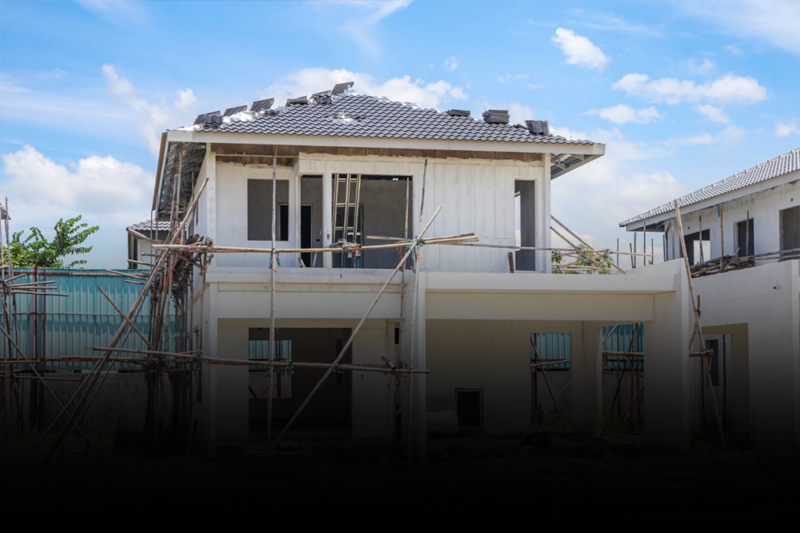
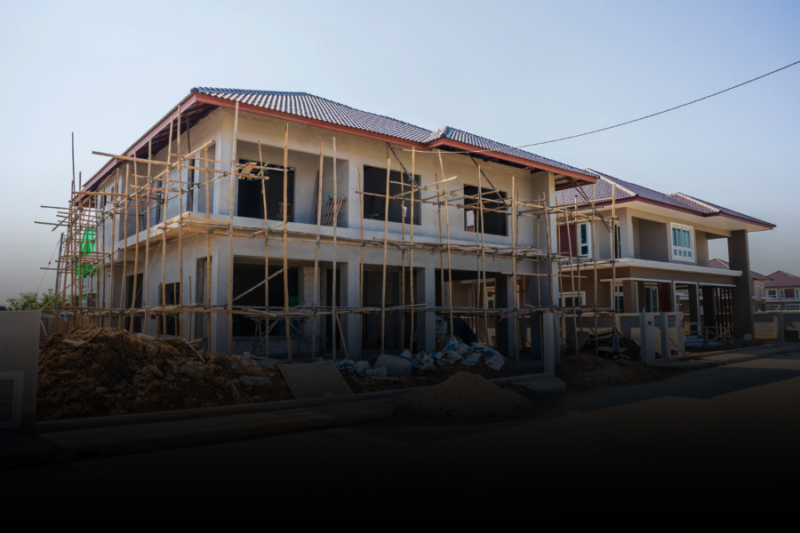
Instead of relying on scattered photos or written reports, projects can be captured from the same aerial viewpoints over time. This creates a clear visual timeline, making it easier to track milestones and communicate updates.
It’s particularly useful for developers and project managers who need to keep multiple stakeholders aligned.
Typical uses include:
- Regular progress updates (weekly or monthly)
- Investor and client reporting
- Internal coordination across teams
- Marketing content during the build
Surveying and Site Data
Drones are also widely used in surveying, especially at the early stages of a project. Large areas of land can be captured quickly and turned into usable data for planning and design.
As projects evolve, the same areas can be re-captured and updated without extensive fieldwork. This makes drones practical for projects that change over time, such as infrastructure or phased developments.
Common applications include:
- Topographic mapping
- 3D modelling of sites
- Repeat surveys as the build progresses
- Volume tracking for earthworks
Large-Scale Projects and Reduced Helicopter Costs
On large developments, aerial imagery has traditionally relied on helicopters. While effective, this comes with high costs, limited flexibility, and logistical complexity.
Drones offer a simpler alternative. Instead of organising occasional helicopter flights, teams can capture aerial data more frequently and on demand.
Drone companies in Kenya are increasingly used in place of helicopters for routine monitoring. This shift allows projects to:
- Reduce aerial imaging costs significantly
- Capture updates more frequently
- Access up-to-date visuals without delays
Over time, this turns aerial data into a regular part of project management rather than a one-off exercise.
Real Estate: Showing More Than Just the Property
In real estate, drones are used to show context—not just the building itself.
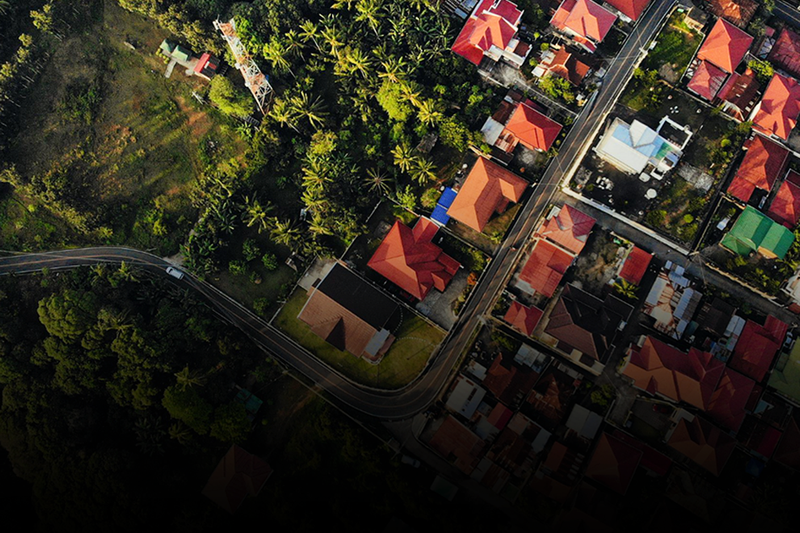
Aerial views help highlight the surrounding environment, infrastructure, and positioning of a development. This gives buyers a better understanding of the property beyond floor plans or static images.
For off-plan projects, drones are also used to show construction progress and communicate scale.
Common uses include:
- Aerial property listings
- Neighbourhood and location context
- Progress updates for developments
- Marketing and promotional content
Choosing Drone Companies in Kenya
When evaluating drone companies in Kenya, the key difference is usually not the drone—it’s how the data is captured, processed, and delivered.
Operators must also comply with regulations set by the Kenya Civil Aviation Authority, including licensing and operational approvals.
Beyond compliance, it helps to look at:
- Experience in construction or real estate
- Quality of outputs and reporting
- Ability to support ongoing work
- Turnaround time for deliverables
Where Drones Fit in the Workflow
Drones are not a standalone solution. They support existing roles—engineers, surveyors, and project managers—by improving how information is gathered and shared.
Their value comes from consistency and flexibility. Teams can capture the same site over time and access updated visuals when needed, without relying on complex or expensive processes.
FAQ: Drone Companies in Kenya
What services do drone companies in Kenya offer?
Most offer aerial photography, inspections, mapping, and real estate content. Some focus on technical data, while others specialise in visual documentation.
Are drones only used on large projects?
They are more common on larger or complex developments, but they’re also used on smaller sites where visibility is important.
Do drones replace traditional inspections?
No. They support inspections by providing better visual data and helping prioritise where manual checks are needed.
Are drones cheaper than helicopters?
Yes—especially for ongoing use. Drones significantly reduce the cost of repeated aerial imaging.
Is drone use regulated in Kenya?
Yes. Operators must comply with the Kenya Civil Aviation Authority, including licensing and approvals.
The rise of drone use across the construction and real estate industry in Kenya reflects a broader shift toward more visual, data-driven project management.
Drones aren’t changing how projects are built—they’re simply making it easier to capture what’s happening on site, track progress over time, and keep teams aligned with clearer, more consistent information.
Conclusion
The rise of drone use across the construction and real estate industry in Kenya reflects a broader shift toward more visual, data-driven project management.
Drones aren’t changing how projects are built—they’re making it faster, safer, and more cost-effective to capture critical site data, track progress in real time, and keep teams aligned with clear, consistent visibility across the entire project.