
If you’ve ever tried to hire an architect in Kenya, you’ve probably noticed there are lots of options — but not all are officially registered or qualified. So, how many architectural firms are actually registered in Kenya?
According to the Board of Registration of Architects and Quantity Surveyors (BORAQS) — the official regulatory body for architects and quantity surveyors in Kenya — there are over 200 registered architectural firms currently listed on their official register. You can view the full, updated list at boraqs.or.ke
Who is BORAQS?
BORAQS was established under the Architects and Quantity Surveyors Act (Cap 525) to ensure only qualified professionals practice in Kenya. This means any firm appearing on their register has met strict professional, ethical, and legal standards.
Why does this matter? Because choosing a verified firm gives you peace of mind. You’re assured that your architect is professionally trained, legally compliant, and accountable. It also protects you from rogue operators who may produce substandard work or fail to meet safety and regulatory requirements.
More than just drafts & pencils
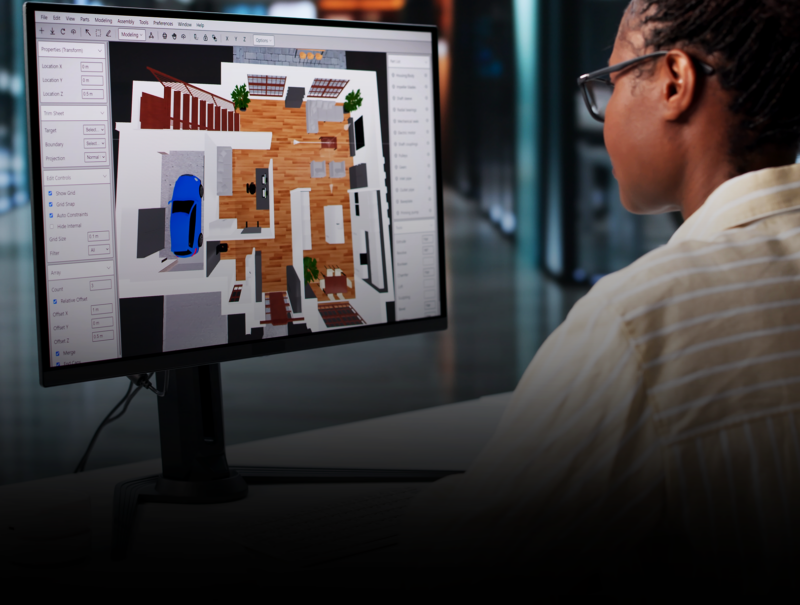
Beyond paperwork, a good architect does much more than draw plans — they help you bring your vision to life. Most architects will be happy to take your ideas and develop them creatively, adding their own flair and design expertise to give you a home that is beautiful, functional, and safe.
Before you sign any contract, take a moment to:
- Confirm registration on the BORAQS website.
- Check the firm’s portfolio to match your project type.
- Ask for their registration number — a legitimate firm will be happy to share it.
Kenya has a thriving pool of talented architects — but only those listed by BORAQS are officially recognised. So, if you’re planning your dream home, a commercial build, or any serious project, make sure your architect is verified through boraqs.or.ke.
Better safe, better built — and designed to stand tall in every sense. 🏡
Disclaimer: This article is for general informational purposes only and does not constitute legal or professional advice. Always consult with a qualified professional or regulatory body before making decisions related to building or construction.