
Rental property maintenance in Kenya is both a legal obligation and a commercial necessity. A well-maintained rental property commands a higher rent, attracts and retains quality tenants, appreciates in value, and generates fewer emergency costs.
A neglected rental property depreciates, drives tenant turnover, and creates a cycle of reactive expenditure that erodes rental yield.
This guide provides a comprehensive, actionable rental property maintenance checklist for Kenyan landlords, covering what to inspect, how frequently, and what to prioritize based on the specific environmental and structural conditions of Kenyan residential property.
Legal Context: Landlord Maintenance Obligations in Kenya
Kenyan landlords have specific legal obligations regarding property maintenance. Under the Landlord and Tenant (Shops, Hotels and Catering Establishments) Act and general property law principles, landlords are required to maintain rental properties in a habitable condition, including the structural fabric of the building, plumbing, electrical systems, and common areas in multi-unit buildings.
The Rent Restriction Act provides tenants with recourse if a landlord fails to maintain a property in a habitable condition, including the ability to apply to the Rent Restriction Tribunal for rent reduction or orders requiring the landlord to carry out repairs. Proactive maintenance is therefore not only commercially sensible; it is the landlord’s legal baseline obligation.
From a practical standpoint, landlords who can demonstrate documented maintenance schedules and records are significantly better protected in any tenancy dispute involving allegations of property condition.
Pre-Tenancy Inspection and Make-Ready Checklist
Before a new tenant moves into a Kenyan rental property, a comprehensive make-ready inspection should address every major system and surface. This inspection determines what repairs are needed before occupancy and establishes the property’s condition baseline. A reference point for the end-of-tenancy deposit return.
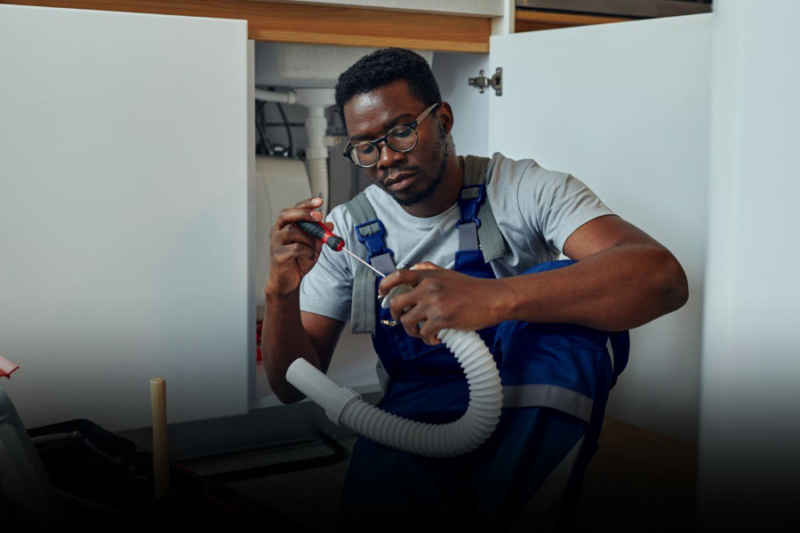
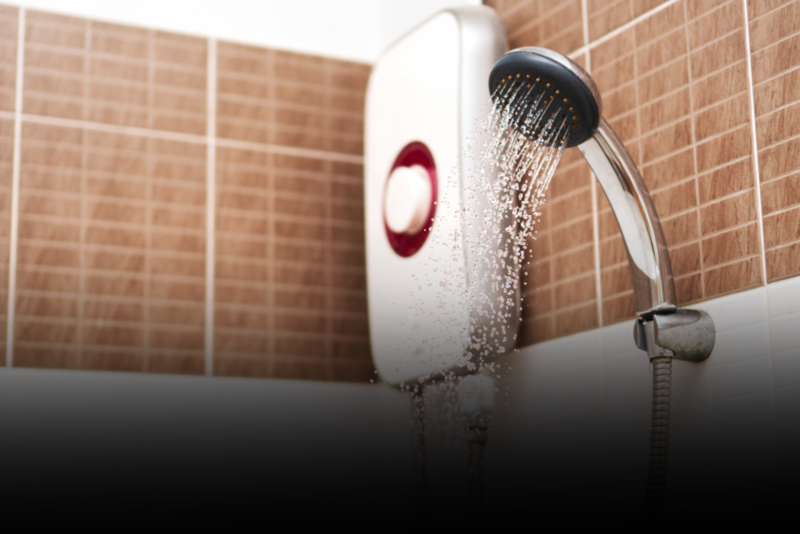
Plumbing: Test every tap and shower fitting for leaks and adequate flow. Flush every toilet and observe for running (continuous flow after flushing indicates a failed flapper valve). Check all under-sink areas for moisture. Inspect the hot water system, geyser temperature, safety valve operation, and condition of supply and discharge pipework.
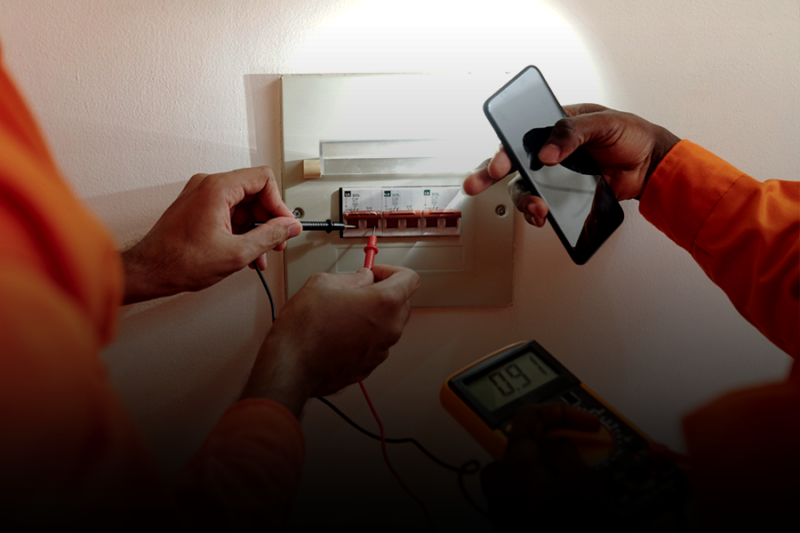
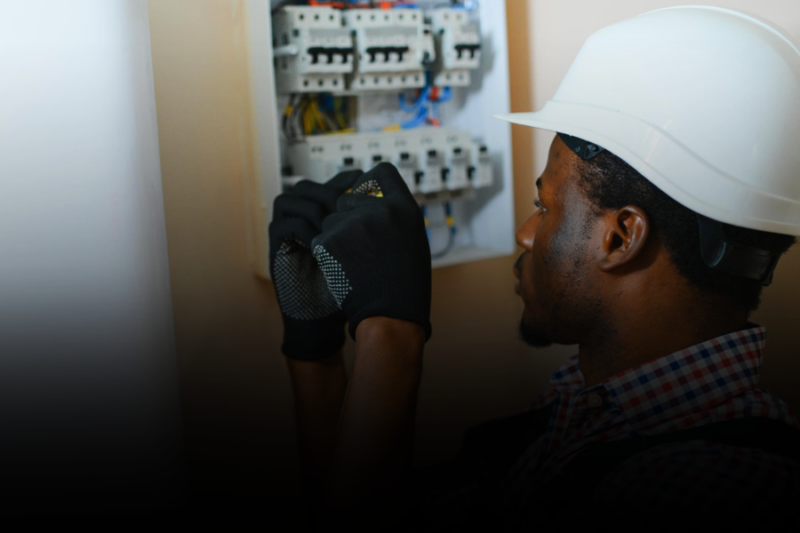
Electrical: Test all socket outlets. Replace any cracked or discoloured socket or switch faceplates. Test the ELCB by pressing the test button. Confirm all light fittings are functioning and securely mounted. Check the Distribution Board (DB) for correct labelling and any signs of heat damage.
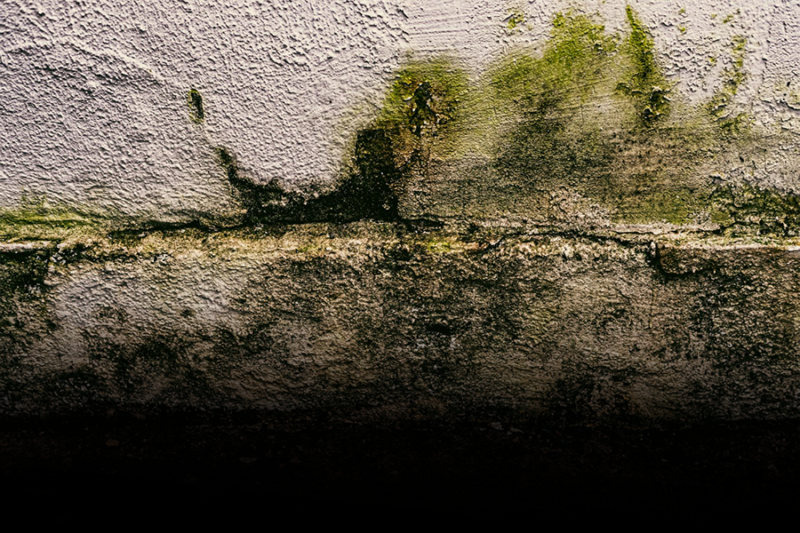
Structure and fabric: Inspect the roof from inside the roof void if accessible, checking for signs of water penetration, damaged roofing felt, or pest nesting. Inspect gutters and downpipes for blockages. Check all external wall surfaces for cracks, loose rendering, or damaged paintwork. Inspect all floors for loose tiles, lifting carpet, or damaged timber.
Security: Verify that all external doors close and lock correctly, that all window catches function, and that any compound gate and perimeter fencing is secure. Test all security lights and any fitted intruder alarm.
Monthly Maintenance (External Walkthrough)
A brief monthly external walkthrough of the property (which can be carried out by the property manager or a designated agent) should cover the compound drainage and any areas prone to waterlogging, the condition of the gate, boundary wall, and external security lighting, the roof gutter overflow points (visible from the ground after rain), and any areas of compound planting that may be encroaching on drainage channels, foundations, or perimeter walls.
In multi-unit buildings, common area inspections should include lighting in stairwells and corridors, refuse storage area condition, and any shared water infrastructure such as a communal storage tank or borehole pump.
Monthly walkthroughs take approximately 15 minutes for a standalone property and provide early identification of issues that would otherwise go unnoticed until the bi-annual formal inspection.
Quarterly Maintenance Checks
Quarterly inspections (carried out with appropriate notice to the tenant) provide more detailed monitoring of the property’s condition and allow early identification of developing faults. The quarterly inspection should cover the roof surface (particularly after the onset of rains), all gutters and downpipes, any visible ceiling areas for water staining, all plumbing outlets for drips or reduced flow, the Distribution Board (DB) board and Earth Leakage Circuit Breaker (ELB) functionality, and compound drainage.
For properties with fitted appliances (built-in kitchen extractor fans, fitted geVNysers, gate motors, or borehole pumps) a quarterly operational check should verify that all these systems are functioning within normal parameters. Document all findings in writing and action any identified repairs within 30 days.
Annual Comprehensive Inspection
The annual comprehensive inspection is the most detailed review of the property’s condition and should be carried out by a qualified maintenance professional or experienced property manager. It provides the basis for the annual maintenance budget and capital expenditure planning.
The annual inspection should include a full structural assessment of all accessible elements, professional plumbing inspection including pressure testing and assessment of pipe condition, professional electrical inspection of the DB board, ELCB, and visible wiring, roof inspection from the exterior and where possible from within the roof void, assessment of all boundary structures including walls, gates, and fencing, water storage tank cleaning and inspection, and borehole pump service if applicable.
The annual inspection report should rate the condition of each major element on a standardised scale (satisfactory, requires monitoring, requires repair within 3 months, requires immediate attention) and provide an estimated cost for all identified works. This report becomes the basis for the maintenance budget for the following year.
End-of-Tenancy Inspection
The end-of-tenancy inspection is one of the most important and most contentious moments in the landlord-tenant relationship. A thorough, documented inspection (carried out against the pre-tenancy condition baseline) determines what, if any, deductions are appropriate from the tenant’s security deposit.
In Kenya, disputes over deposit deductions are among the most common tenancy disputes. Landlords who maintain comprehensive photographic and written condition records at both the start and end of every tenancy are significantly better positioned to resolve these disputes efficiently, whether through negotiation or through the Rent Restriction Tribunal.
Managing Maintenance Across Multiple Rental Units
Kenyan landlords managing more than three rental units face qualitatively different maintenance management challenges than single-property owners. The volume of maintenance events, the coordination of multiple tenants, and the need to balance cost efficiency against quality and response time all become more complex as the portfolio grows.
Standardization is the most powerful tool for multi-unit portfolio management. Standardizing on a limited range of tap, toilet, and door hardware types means that maintenance staff become deeply familiar with the installation and repair requirements of each component, spare parts can be held in stock, and repair times are reduced. Specifying only KEBS-certified electrical and plumbing components across all units reduces the frequency of premature failures.
Building a preferred supplier relationship with a verified maintenance platform such as Fixo Solutions provides multi-unit landlords with priority scheduling, consolidated billing, a single point of accountability for all maintenance work, and data on maintenance spend across the portfolio. This data has direct value for property performance reporting to owners and for identifying properties or unit types that generate disproportionate maintenance costs.
Tenant communication protocols for maintenance requests, including what channel to use, what information to provide, expected response times, and what to do in an emergency, should be standardized across all units and provided in writing at tenancy commencement. Clear protocols reduce the volume of informal, untracked maintenance requests and ensure that all work is documented, approved, and followed through systematically.
Tracking maintenance spend per unit over a 12 to 24-month period reveals valuable patterns. Units that consistently require above-average maintenance expenditure may indicate that original construction quality was lower, that particular tenants are causing accelerated wear, or that a specific system (such as ageing plumbing in older blocks) has reached the end of its economically repairable life and requires a capital investment to replace rather than maintain.
Frequently Asked Questions: Rental Maintenance in Kenya
Q: How much should a Kenyan landlord charge for security deposit?
A: Standard practice in Kenya is to charge one to three months’ rent as a security deposit, depending on the property type and market norms. The deposit should be held in trust and returned within a reasonable period after the tenancy ends (typically 30 days) minus any documented deductions for damages beyond fair wear and tear.
Q: Can a Kenyan landlord increase rent without maintaining the property?
A: A landlord who fails to maintain a property in habitable condition while seeking to increase rent faces potential challenge at the Rent Restriction Tribunal, which has the power to regulate rents and require maintenance to be carried out. In practice, well-maintained properties command market rents without dispute.
Q: How often should a landlord inspect a rental property in Kenya?
A: Best practice for Kenyan rental properties is a full annual inspection, a quarterly walkthrough, and a monthly external check. All inspections should be carried out with appropriate prior notice to the tenant, standard practice is a minimum of 24 to 48 hours written notice.
📌 Set up a managed maintenance plan for your rental properties with FixoSolutions scheduled inspections, verified tradespeople, digital records, and consolidated reporting.