
Professional Electrical Repairs for Kenyan Homes: Your Annual Checklist
Electrical repairs are among the most critical maintenance tasks in any Kenyan home, and among the most frequently neglected. Kenya’s residential electrical infrastructure spans several decades of different wiring standards, material quality, and installation practices.
Combined with the country’s notoriously unpredictable power supply (including voltage surges, brownouts, and frequent load shedding by Kenya Power) the electrical systems in Kenyan homes are under unusual stress.
Annual electrical maintenance is not optional. It is a direct investment in the safety of your home and everyone in it.
This guide explains exactly which electrical repairs and inspections every Kenyan home should schedule each year, why they matter, and what to expect from a professional inspection.
Why Annual Electrical Maintenance Matters in Kenya
The Kenya Power and Lighting Company (KPLC) reports that electrical faults (including arcing, overloaded circuits, and wiring failures) are among the leading causes of residential fires in Kenya. Many of these fires start in roof voids or within walls, making them difficult to detect before they spread.
Electrical faults also cause substantial appliance damage. A single voltage surge can destroy a refrigerator compressor, a television, or an air conditioning unit, losses that far exceed the cost of surge protection. Annual maintenance identifies vulnerability before it leads to loss.
Under the Energy Act (Kenya) and the Electrical Installation Regulations, all electrical installations must be maintained in a safe condition. For rented properties, this responsibility falls on the landlord. For owner-occupied homes, it falls on the homeowner.
1. Main Distribution Board (DB Board) Inspection
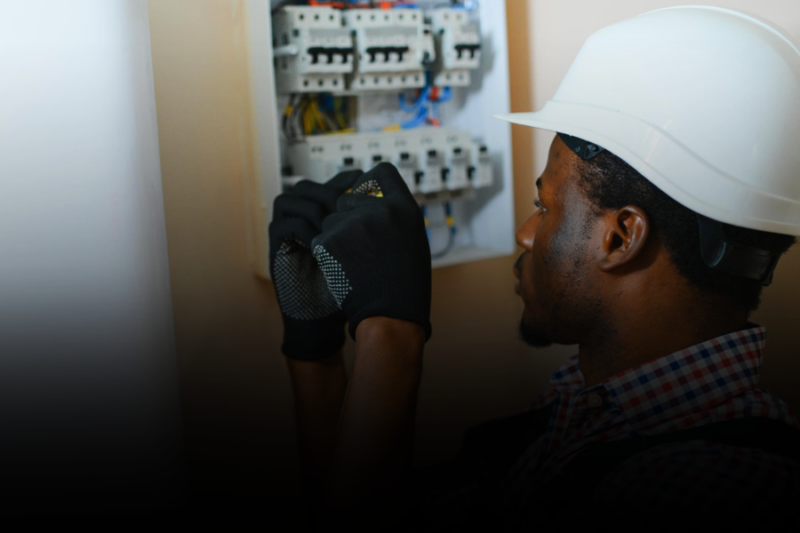
The “Distribution Board (DB board)” is the central control point of your home’s electrical system. A professional annual inspection of your DB board should include checking all circuit breaker ratings against the actual load on each circuit, inspecting all cable connections for tightness, looking for signs of heat damage such as discolouration or a burning smell, verifying that all circuits are correctly labelled, and confirming that the board has adequate capacity for your current appliance load.
Many Kenyan homes built in the 1980s and 1990s still have older fuse boards using fuse wire rather than Miniature Circuit Breakers (MCBs). These should be upgraded. Fuse wire can be replaced with wire of the wrong rating.
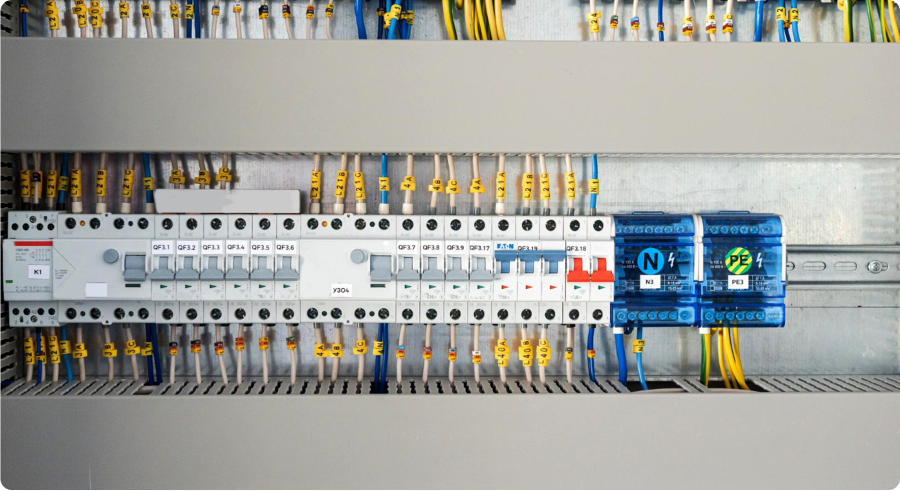
Image Credit: Magnific
A common DIY mistake that removes the safety function of the fuse entirely. MCBs offer reliable, repeatable protection and should be standard in any home.
DB board inspections in Kenya typically cost between KES 2,000 and KES 5,000 for labour, depending on the size of the board and the number of circuits.
2. Earth Leakage Circuit Breaker (ELCB/RCD) Testing
An Earth Leakage Circuit Breaker (ELCB), also known internationally as a Residual Current Device (RCD), is the primary protection against electrocution in your home. It detects tiny leakage currents (far too small to trip a conventional circuit breaker) and disconnects the supply in milliseconds.
Despite its critical role, many ELCBs in Kenyan homes go years without being tested. The test button on the device should be pressed monthly; if the breaker does not trip, the device has failed and must be replaced immediately.
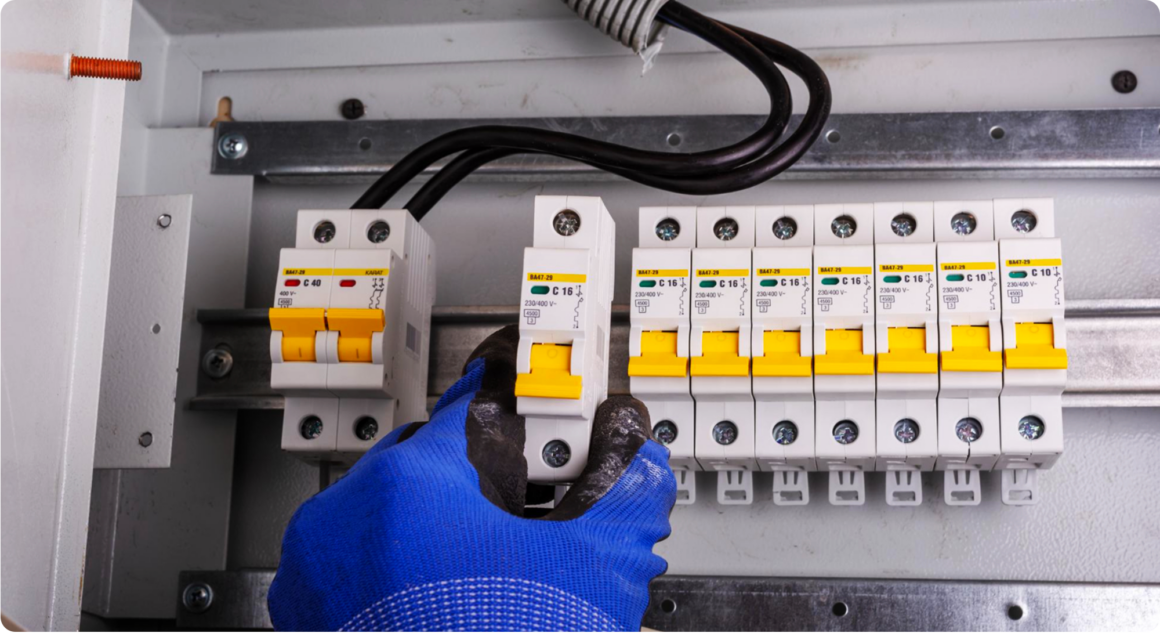
Image Credit: Magnific
Annual professional testing verifies that the device is responding within its specified sensitivity and disconnection time.
ELCBs in Kenya can fail due to moisture ingress in the DB board, age and component fatigue, or voltage spikes from KPLC supply issues. A failed ELCB means your home has no protection against electric shock. A serious and invisible danger.
3. Whole-Home Surge Protection
Kenya experiences some of the highest rates of power surges in sub-Saharan Africa, driven by KPLC’s ageing grid infrastructure, frequent switching operations during load shedding, and lightning strikes during the rainy season. A whole-home surge protection device (SPD) fitted at the DB board protects all connected appliances simultaneously.
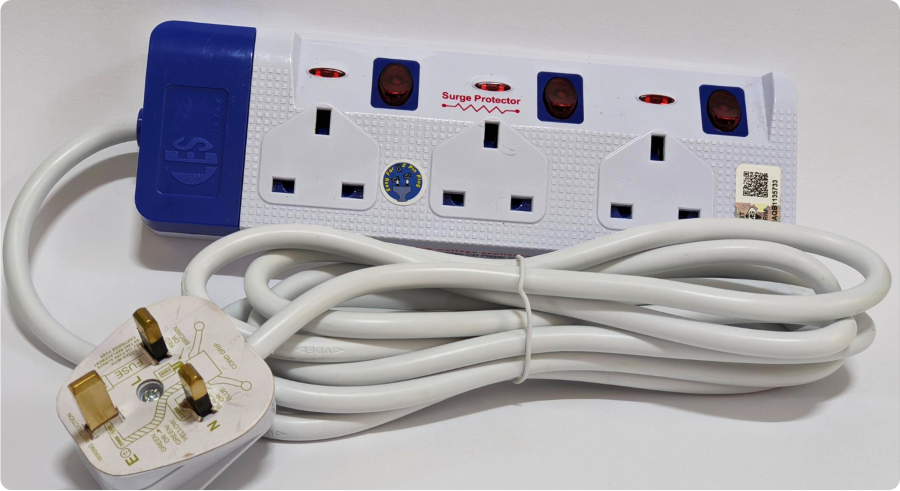
Image Credit: Magnific
Individual plug-in surge protectors offer localised protection but do not prevent surges from reaching appliances connected elsewhere. A DB-level SPD is the comprehensive solution. Installation costs in Kenya range from KES 8,000 to KES 18,000 including the device and labour. A worthwhile investment when weighed against the replacement cost of high-value appliances.
SPDs have a finite energy absorption capacity and must be inspected annually. After a significant surge event, they should be replaced even if they appear to be functioning.
4. Socket, Switch, and Fitting Inspection
Every socket outlet and light switch in your home should be visually inspected annually for cracked faceplates, loose mounting, discolouration or burn marks, and sockets that are wobbly or fail to grip plugs firmly.
These are all signs of heat damage or physical deterioration that creates shock and fire risks.
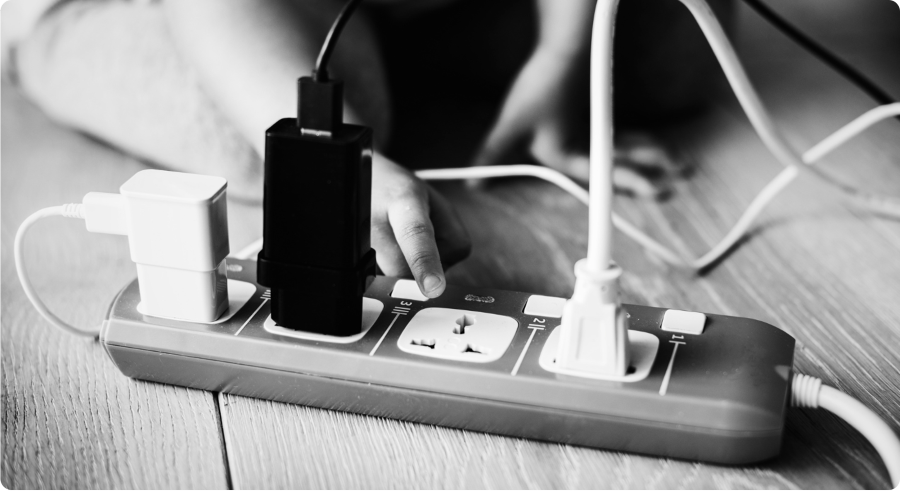
Image Credit: Magnific
In Kenyan homes, socket quality varies enormously. Lower-cost imported sockets, particularly those bought from informal markets rather than certified electrical suppliers, may not meet Kenya Bureau of Standards (KEBS) requirements. Replacing substandard sockets with KEBS-certified alternatives is a straightforward annual maintenance task with a significant safety impact.
Light fittings (particularly ceiling roses, pendant holders, and bathroom fittings) should be checked for loose connections and signs of moisture ingress. Bathroom fittings must carry an IP rating appropriate for wet area use; non-rated fittings in bathrooms are a common fault in Kenyan homes.
5. External and Compound Wiring
Outdoor electrical wiring is exposed to Kenya’s UV radiation, rain, temperature variation, and physical interference, all of which degrade cable insulation faster than internal wiring. Security lights, gate motor wiring, borehole pump cables, and outdoor socket circuits should all be inspected annually.
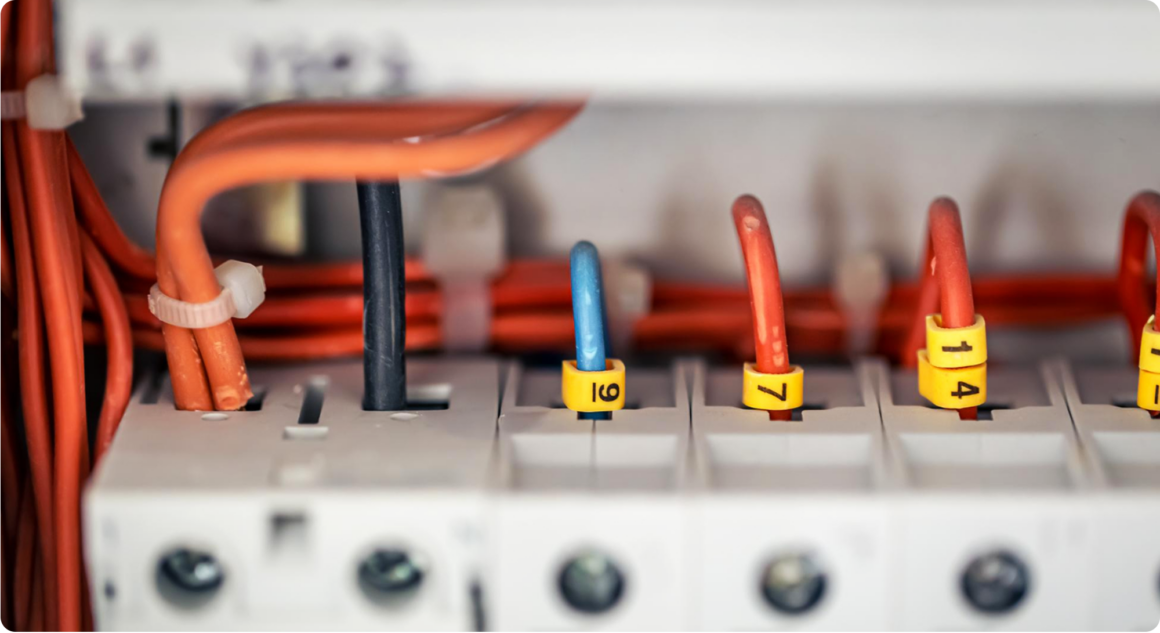
Image Credit: Magnific
Common outdoor wiring faults in Kenyan homes include cracked or split cable sheathing, corroded or open junction boxes, cables resting on sharp metal edges (which cuts insulation over time), and cables buried too shallowly in the ground without conduit protection.
Any external cable showing cracking, rodent damage, or UV bleaching of the outer sheath should be replaced. A cable that has lost its insulation integrity while carrying mains voltage is an active electrocution risk during rain.
6. Ceiling Fan and Air Conditioning Unit Electrical Checks
Ceiling fans in Kenya’s warmer regions are in near-constant use and subject to vibration-loosening of electrical connections over time.
A wobbly ceiling fan is not just a noise issue, it can indicate that the mounting box connection to the ceiling structure is failing, or that the internal wiring connections within the fan housing are loose.
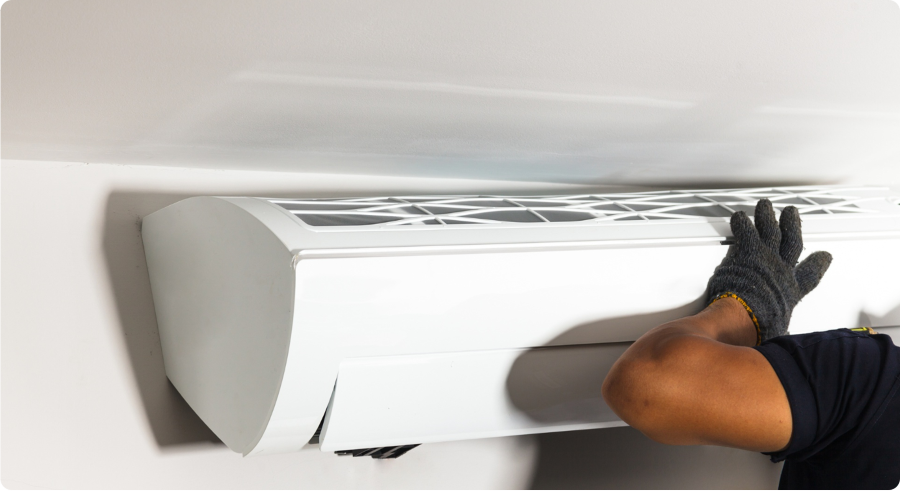
Image Credit: Magnific
Air conditioning units installed in Kenyan homes should have their electrical connections inspected annually by a qualified technician, particularly in coastal environments where salt air accelerates corrosion of terminals and contacts.
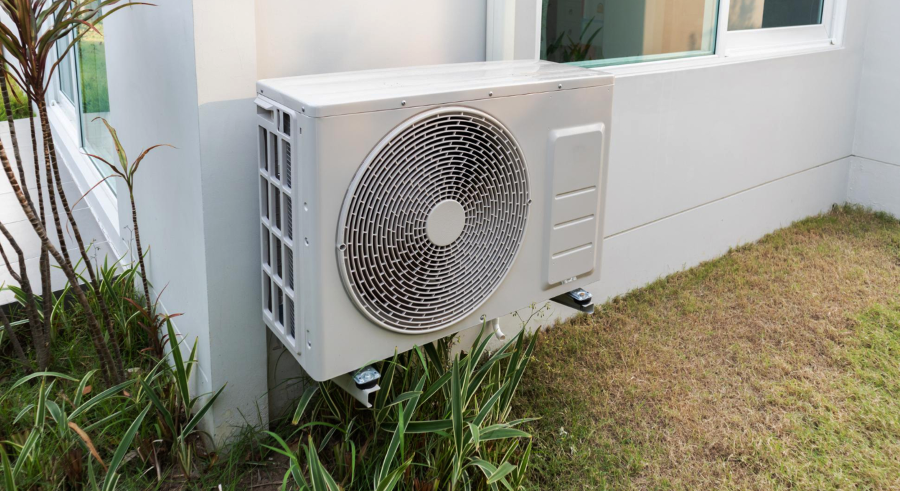
Image Credit: Magnific
Undersized cabling for air conditioner circuits is a frequent fault, units draw high starting currents and require correctly rated cable and circuit breaker protection.
Energy Efficiency and Electrical Maintenance
Annual electrical maintenance in Kenya is not only a safety exercise, it is also an opportunity to improve energy efficiency. Kenya Power’s time-of-use tariff structure means that reducing peak-hour consumption has a direct financial benefit.
An electrician conducting an annual inspection can identify energy waste hotspots: appliances running on standby continuously, inefficient lighting that should be converted to LED, and appliances drawing abnormal current that indicates they are operating below optimal efficiency.
Older water heaters (geysers) in Kenya are among the highest consumers of electricity in a typical home. A geyser that is heating inefficiently due to limescale buildup on the heating element consumes significantly more electricity to achieve the same water temperature.
Annual de-scaling of the heating element is a task that takes approximately 30 minutes for a qualified electrician or plumber and can measurably reduce electricity consumption thus extending the element’s service life.

Frequently Asked Questions: Electrical Repairs in Kenya
Q: How often should a house be rewired in Kenya?
A: In Kenya, a full electrical rewire is typically recommended when the existing wiring is more than 25-30 years old, when the insulation on existing cables has become brittle or cracked, or when the current electrical load significantly exceeds the capacity the system was originally designed for. A certified electrician can assess whether rewiring is necessary.
Q: What are the signs of dangerous wiring in a Kenyan home?
A: Warning signs of dangerous wiring in a Kenyan home include frequently tripping circuit breakers, flickering lights, burning smells from sockets or the DB board, warm or discoloured socket faceplates, and mild electric shocks when touching metal appliance surfaces or tap fittings.
Q: Is it legal to do electrical work yourself in Kenya?
A: The Electrical Installation Regulations in Kenya require that electrical installation work be carried out by a registered electrical contractor or qualified electrician. DIY electrical work beyond basic tasks such as changing light bulbs is not permitted and may void your property insurance.
Q: How much does an annual electrical inspection cost in Kenya?
A: A professional annual electrical inspection in Kenya typically costs between KES 3,000 and KES 8,000 for a standard residential property, covering the DB board, ELCB, sockets, switches, and visible wiring. Additional repair work is quoted separately.