
Finding a reliable, skilled handyman/fundi in Kenya has long been one of the most frustrating aspects of home ownership and property management. The informal nature of much of the handyman market, characterized by word-of-mouth referrals, unverified skills claims, and no accountability framework, creates significant risks for homeowners, tenants, and landlords who depend on quality workmanship to maintain their most valuable assets.
The concept of a verified handyman, a professional, who has been systematically assessed for identity, skills, and character before being placed in homes, addresses these risks directly. This article explains what verification entails, what risks it mitigates, and why using a verified handyman is the standard every Kenyan homeowner deserves.
The State of the Kenyan Handyman Market
Kenya’s handyman and home maintenance market is predominantly informal. The majority of fundis operating in Kenyan cities and towns have no formal professional registration, no verifiable skills credentials, and no structured accountability mechanism if their work fails or if they cause damage.
This informality is not unique to Kenya (it characterises home maintenance markets across much of sub-Saharan Africa) but its consequences are felt acutely by homeowners.
The most common complaints against unverified handymen in Kenya include: incomplete or poor-quality work that needs to be redone; failure to return after receiving an advance payment; overcharging for materials through undisclosed markup; causing accidental damage to the property and refusing responsibility; and in a minority of serious cases, theft of property during the visit.
These risks are not hypothetical. They are the primary reason that many Kenyan homeowners are reluctant to engage professional help even when they recognise that work needs to be done.
A reluctance that ironically leads to more expensive outcomes as small repairs are delayed and worsen.
Image Credit: Magnific
What Verification Actually Involves
Verification is not a single check, it is a multi-stage assessment process designed to establish confidence in a handyman’s identity, competence, and character before they enter a client’s home.
Identity verification is the first layer. At a minimum, this involves confirming that the individual is who they claim to be through national identity document checks. This basic check eliminates individuals using false identities.
A genuine risk in an unregulated market.
Past work referrals are the second layer. This involves speaking to previous clients or supervisors to validate the handyman’s workmanship, reliability, professionalism, and work ethic.
Referral checks help confirm not only that the individual has completed similar jobs before, but also that they delivered acceptable quality, communicated well, and conducted themselves responsibly on the job.
Character checking is the third layer. This involves obtaining assurances from trusted guarantors such as a pastor, imam, chief, or other respected community figure who can speak to the individual’s conduct, honesty, and reputation.
In addition, insisting on a Police Clearance Certificate (PCC), also known as a Certificate of Good Conduct, strengthens the background check by confirming the individual’s criminal record status.
Ongoing performance monitoring through client ratings and reviews is the fourth layer, and the one that maintains accountability over time.
A handyman whose work quality deteriorates or who generates complaints should lose verified status; this mechanism gives verification meaning beyond the initial assessment.
The Real-World Risks of Hiring Unverified Handymen
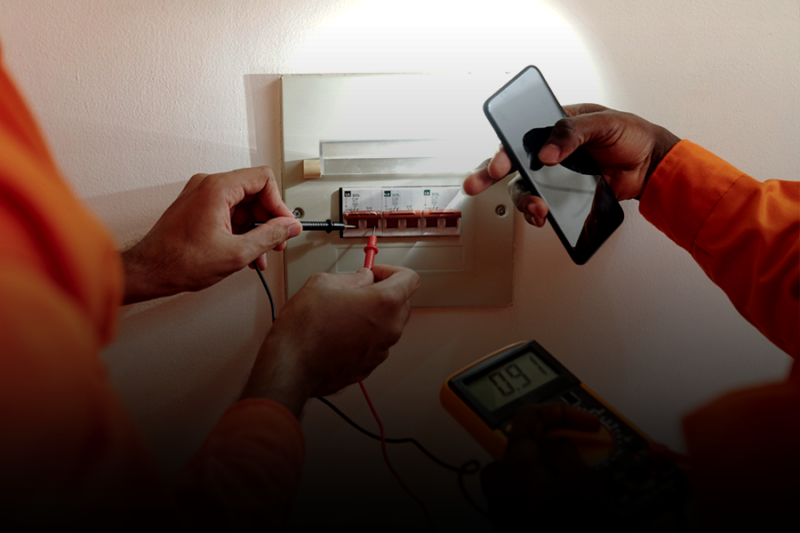
The risks of engaging unverified Fundis in Kenya are concrete and frequently realized. Substandard electrical work, using undersized cable, skipping earthing connections, or installing non-KEBS-compliant components, creates fire and electrocution hazards that may not manifest immediately but represent ongoing danger.
When a fault occurs, there is no professional accountability and no recourse.
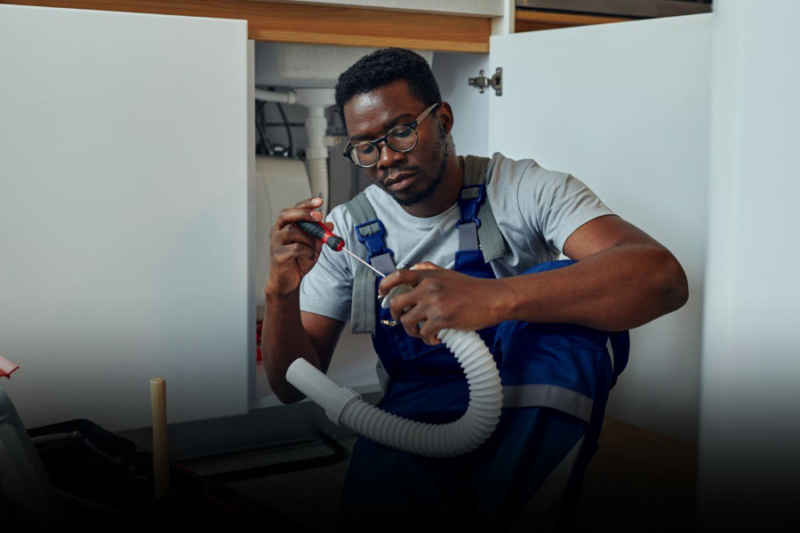
Poor plumbing work, using incorrect pipe materials, failing to properly seal joints, or incorrectly sizing components, results in leaks that cause water damage to structures and finishes over weeks or months.
By the time the damage becomes visible, the original handyman is long gone and difficult or impossible to locate.
Security risk is a particularly serious concern in Kenya’s urban areas. Inviting an unverified individual into your home, particularly one who gains information about your household routines, security arrangements, and valuable items during a repair visit, without any background check is a measurable security risk.
Verified platforms conduct checks specifically designed to identify individuals with relevant criminal histories before they are placed in clients’ homes.
Financial risk includes the advance payment that disappears with the handyman, inflated material bills, and the cost of having substandard work repeated by a second professional.
The Quality Difference: Verified vs Unverified Work
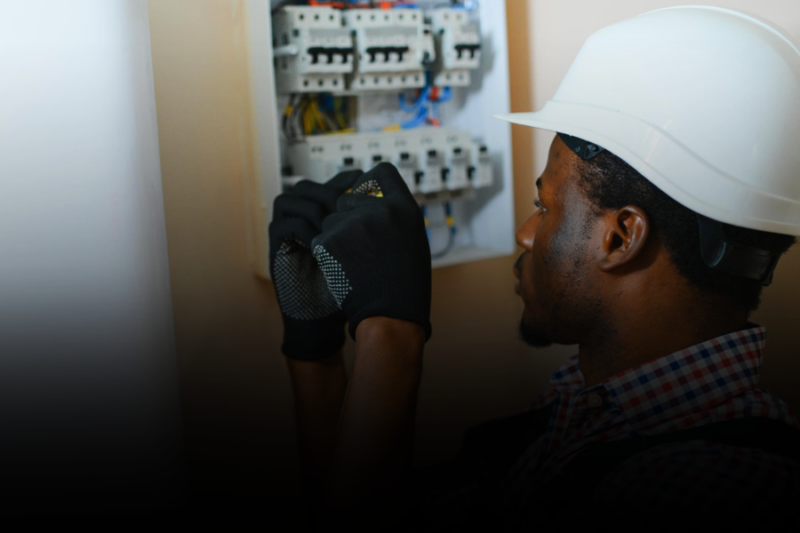
The quality difference between verified and unverified handymen manifests in specific, observable ways. A verified electrician uses cable of the correct current rating for each circuit, installs KEBS-certified fittings, and ensures that all new electrical work is correctly earthed and protected.
A non-verified electrician may use underrated cable (which is cheaper), non-certified fittings (which are cheaper), and may skip earthing entirely.
Both installations look identical on the day they are completed.
The difference emerges over time and under stress, and in electrical work, the stress event is often a surge, overload, or fault condition where an inadequate installation can cause a fire. The verified installation protects the home.
Image Credit: Magnific
The non-verified installation potentially creates the emergency.
A verified plumber uses correctly rated fittings for the water pressure in your system, ensures that all joints are properly supported to prevent vibration loosening, and uses pipe materials appropriate for Kenya’s hard water conditions.
A non-verified plumber may use low-cost push-fit fittings in high-pressure concealed locations where they will eventually fail, pipe tape where solvent welding or compression is required, and reconditioned components presented as new.
The Value of a Professional Platform vs a Phone Number
The improvement that verified handyman platforms represent over the traditional Kenyan model of asking a neighbour or caretaker for a phone number is structural, not incremental. A phone number connects you to an individual with unknown skills and character.
A verified platform connects you to a pre-assessed professional with a documented track record, transparent pricing, and a dispute resolution mechanism if something goes wrong.
Fixo Solutions provides all of these elements. Handymen provided on the platform have been through a structured verification process, carry client ratings visible to all prospective clients, and operate within a platform that records job history and provides accountability for their work.
Image Credit: Magnific
This is the foundation of a functional home maintenance market, and it is the standard that Kenyan homeowners should expect.
Verification also benefits the handymen themselves. Verified professionals command higher rates because clients trust them, generate repeat business through their track record, and build a professional reputation that has real commercial value.
The verification ecosystem creates incentives for quality on both sides of the transaction.
How to Verify a Handyman in Kenya Without a Platform
If you are not using a platform that provides pre-verified professionals, there are steps you can take independently to reduce the risk of engaging an unverified handyman.
Request a copy of their national identity card and record the ID number before engagement.
Ask for at least two client references and call them, do not text. For specialist trade work, ask for evidence of NITA certification, NCA registration, or EPRA registration as relevant to the trade.
Request an itemised written quote before work begins, specifying labour and materials separately.
Image Credit: Magnific
For jobs above KES 10,000, hold 30 to 40 percent of payment until the work has been inspected and confirmed satisfactory.
These steps add friction to the process, friction that disappears entirely when using a platform like Fixo Solutions where all verification has been done in advance.

Frequently Asked Questions: Verified Handymen in Kenya
Q: How do I know if a handyman is verified in Kenya?
A: The most reliable way to confirm handyman verification in Kenya is to use a professional platform such as Fixo Solutions, which conducts and documents identity verification, skills assessment, and reference checks for every listed professional.
For independent verification, ask to see national ID, trade certifications, and at least two contactable client references.
Q: What should I do if a fundi does substandard work in Kenya?
A: If a handyman performs substandard work in Kenya, first document the fault with photographs and written description. Contact the fundi formally (in writing, via WhatsApp or email) requesting rectification within a specified period.
If they do not respond, and they were engaged through a platform, raise a dispute through the platform’s resolution process.
For significant financial losses, the Small Claims Court provides an accessible legal remedy for amounts up to KES 1,000,000.
Q: Are verified handymen more expensive in Kenya?
A: Verified handymen in Kenya typically charge a modest premium, often 10 to 25 percent more than an equivalent unverified handyman for the same task.
This premium is almost always offset by the reduced risk of substandard work requiring repetition, the absence of advance payment risk, and the time saved in sourcing and vetting.