
Affordable House Painting Services in Nairobi, Kenya: Do It Once, Do It Right
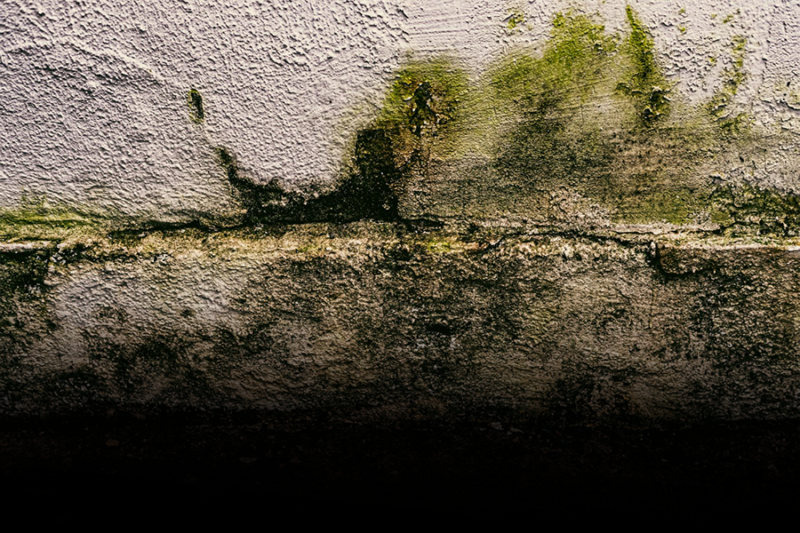
After a long spell of rain, your exterior walls can start telling a story you may not want to hear. A corner looks darker than the rest. Paint begins to bubble near the window. A greenish stain appears along the lower wall.
At first, it may look like a simple cosmetic problem, something a fresh coat of paint can quickly hide. But exterior repainting is not just about changing colour.
It is about protecting the building from water, heat, mould, cracks, dust, and daily weather exposure.
The mistake many homeowners make is painting too soon, painting over damage, or choosing paint only by colour and price. That is how a wall looks fresh for a few weeks, then starts peeling again before the next rainy season.
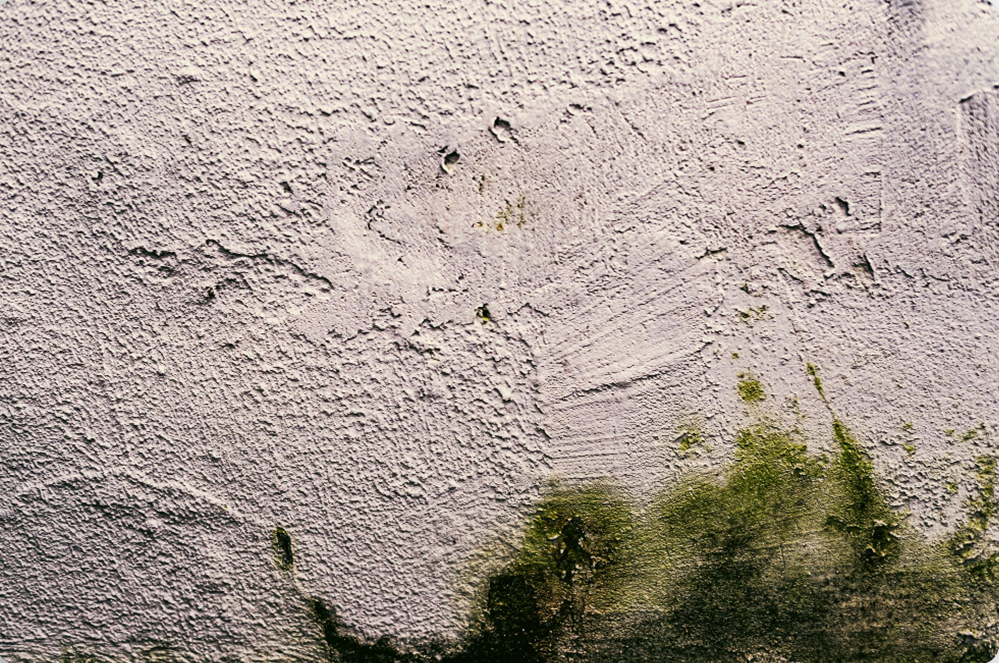
Image Credit: Magnific
If you want exterior walls that stay clean, strong, and attractive for longer, the secret is simple: inspect properly, prepare thoroughly, choose the right products, and fix moisture problems before the brush touches the wall.
Why Exterior Walls Fail After Rain
Rain rarely damages paint in one dramatic moment. It usually works slowly. Water enters through hairline cracks, unsealed joints, weak plaster, broken gutters, roof leaks, poor drainage, or porous surfaces. Once moisture sits behind the paint film, it pushes outward as the wall warms and dries.
That pressure can cause bubbling, flaking, peeling, staining, and chalky patches. In shaded or damp areas, algae and mould may also begin to grow on the surface.
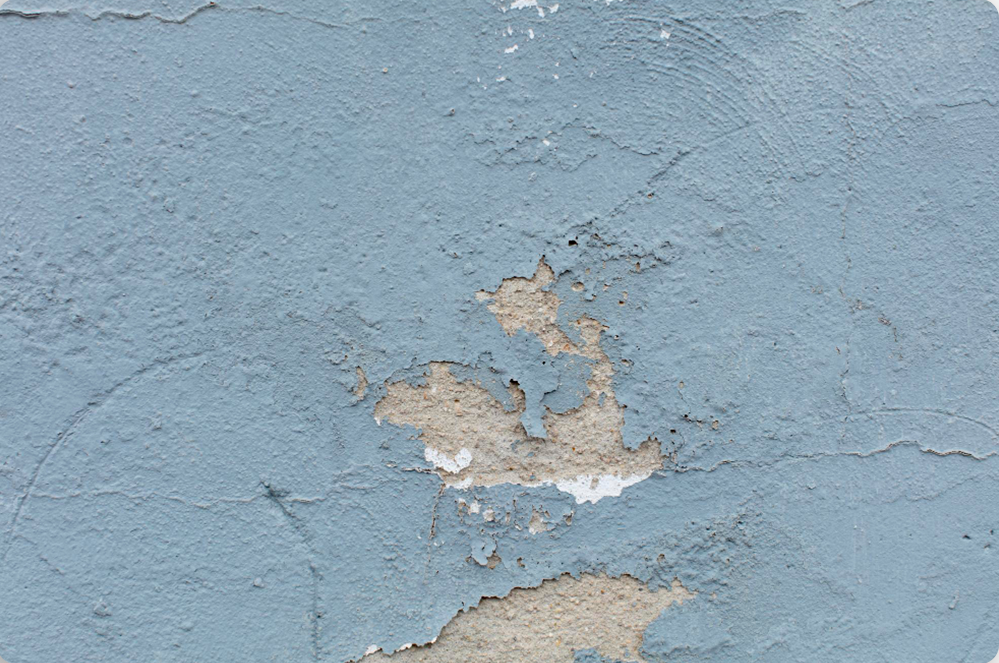
Image Credit: Magnific
This is why repainting without diagnosis becomes a cycle. The new coat may cover the mark, but it cannot stop moisture that is still entering the wall. A lasting repaint begins with understanding why the previous finish failed.
Was the wall painted while damp? Was primer skipped? Is rainwater splashing from the ground? Are gutters overflowing? Is the plaster cracked? Each answer changes how the wall should be repaired before painting.
Start with a Proper Wall Inspection
Before buying paint, take a slow walk around the house. Look at the lower sections of walls, corners, window edges, balcony areas, roofline, shaded sides, and places where rainwater collects. Touch the wall. If it feels cold, damp, powdery, or soft, it is not ready for paint.
Check for cracks, peeling paint, stains, mould, algae, swollen plaster, loose render, and areas where water appears to run down repeatedly.
- Darker patches that remain long after rain has stopped
- Bubbles, blisters, or flakes in the existing paint
- Green, black, or grey growth on shaded sections
- Fine cracks around windows, doors, corners, or parapets
- White powdery deposits, which may indicate salts coming through masonry
Preparation Is Where the Real Work Happens
A professional-looking finish is not created by the final coat alone. It is created by the preparation underneath it. Loose paint must be scraped away. Dirt, dust, algae, and mould must be cleaned off. Cracks should be opened slightly, filled correctly, and allowed to cure.
Rough patches should be sanded or smoothed. Any damp source should be repaired before repainting begins. If the surface is weak, dirty, or wet, even expensive paint will struggle to bond properly.
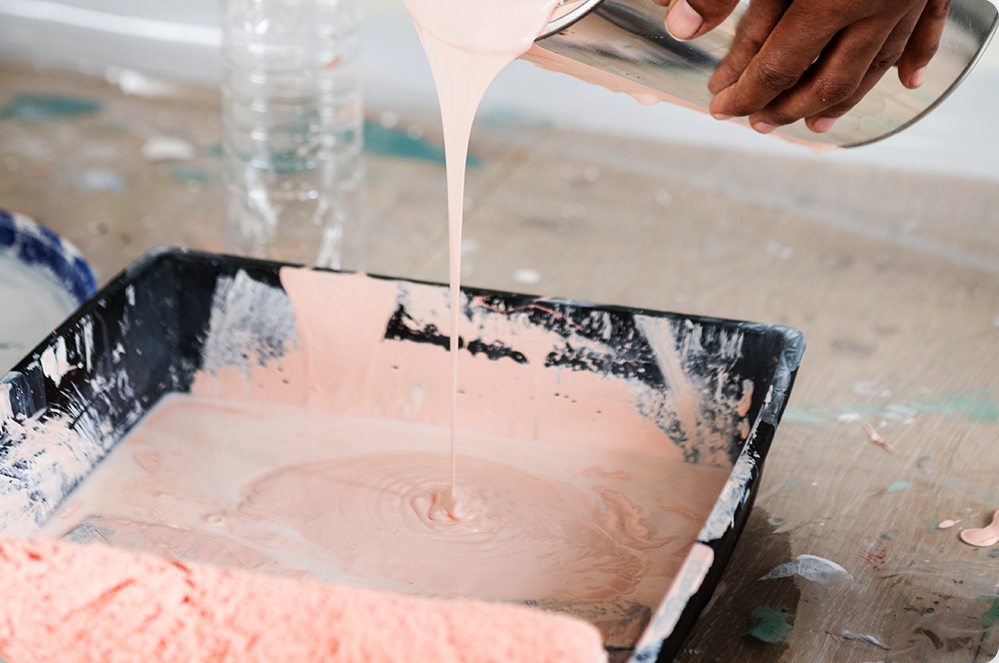
Image Credit: Magnific
This step is especially important in Kenyan homes where exterior walls face strong sun, dust, heavy rains, humidity, and sometimes poor drainage around the foundation.
A quick paint-over may look cheaper at first, but it often costs more when the wall has to be redone. Good preparation may feel slow, but it is what allows the paint system to last.
Choose Paint as Protection, Not Just Colour
Exterior paint has a job beyond beauty. It must resist rain, sunlight, dust, fungal growth, and temperature changes while still allowing the wall to breathe where appropriate. That is why the paint system matters. In many cases, the best result comes from proper cleaning, crack repair, a suitable exterior primer, and a weather-resistant topcoat designed for masonry or plastered walls.
For damp-prone areas, anti-mould or water-resistant solutions may also be needed.
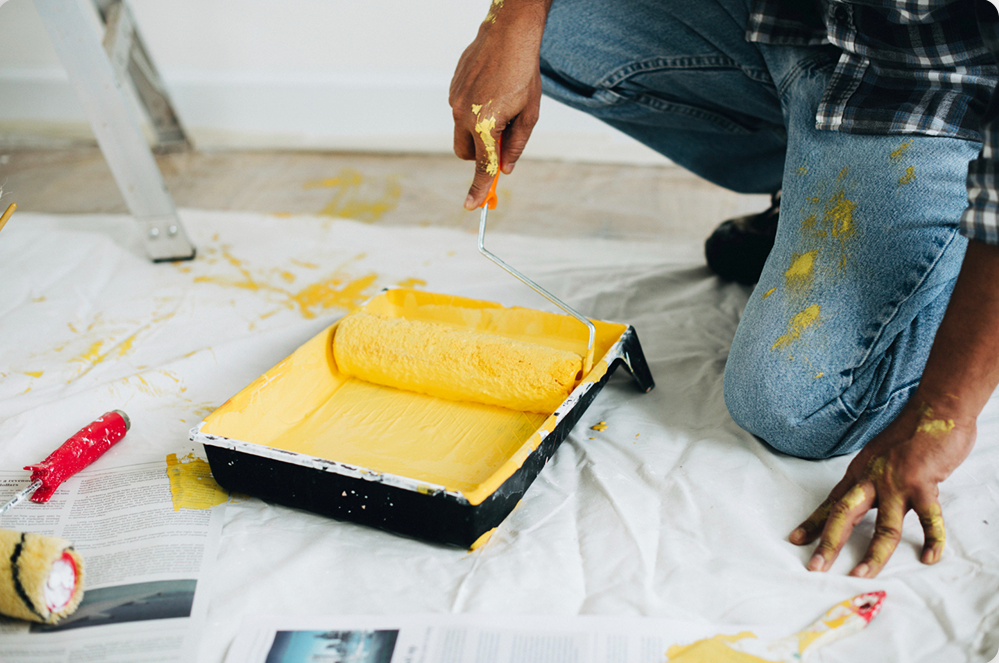
Image Credit: Magnific
Primer is easy to underestimate, but it plays an important role. It helps the topcoat grip the surface, improves coverage, reduces uneven absorption, and supports a more durable finish.
Skipping primer on repaired, porous, chalky, or previously damaged surfaces can lead to patchy colour, weak adhesion, and early peeling. The right primer is not an optional extra; it is part of doing the job once and doing it right.
Timing Can Make or Break the Finish
Even with the right paint and a skilled painter, timing matters. Exterior walls should be dry before painting, not just dry on the surface.
High humidity slows drying and curing, while sudden rain can mark or weaken a fresh coat before it has properly set. If rain has soaked the wall, give it enough time to dry, especially on shaded sides, lower walls, and areas with poor airflow.
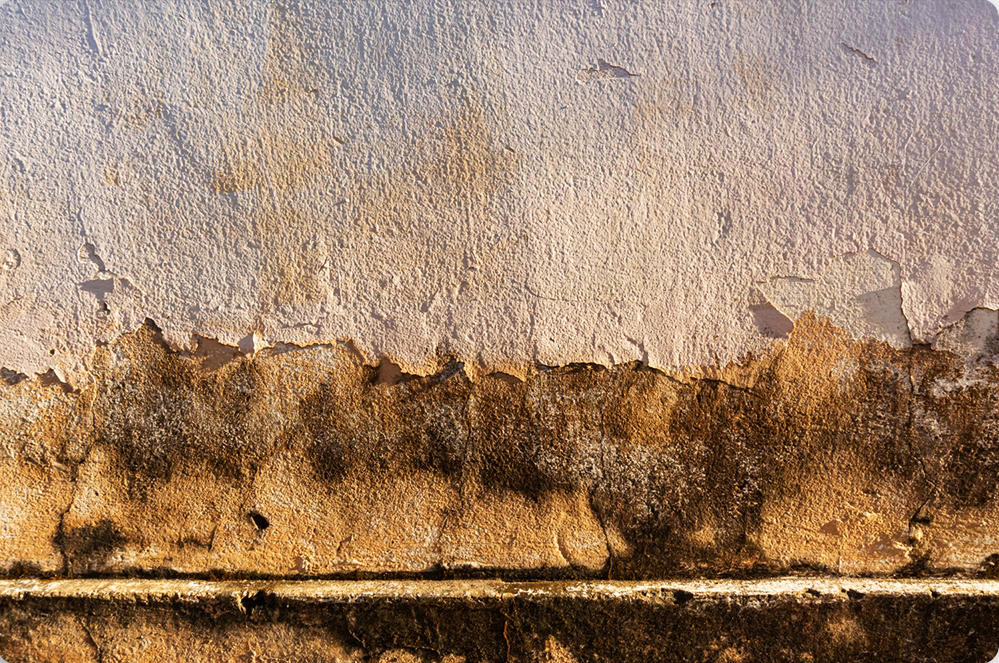
Image Credit: Magnific
The best painting window is a stretch of dry weather with moderate temperatures and good airflow. Painting under harsh direct heat can also be a problem because paint may dry too quickly on the surface before it bonds well underneath.
A good fundi will plan the work around the wall condition and weather, not just the calendar.
When Repainting Needs a Professional Fundi
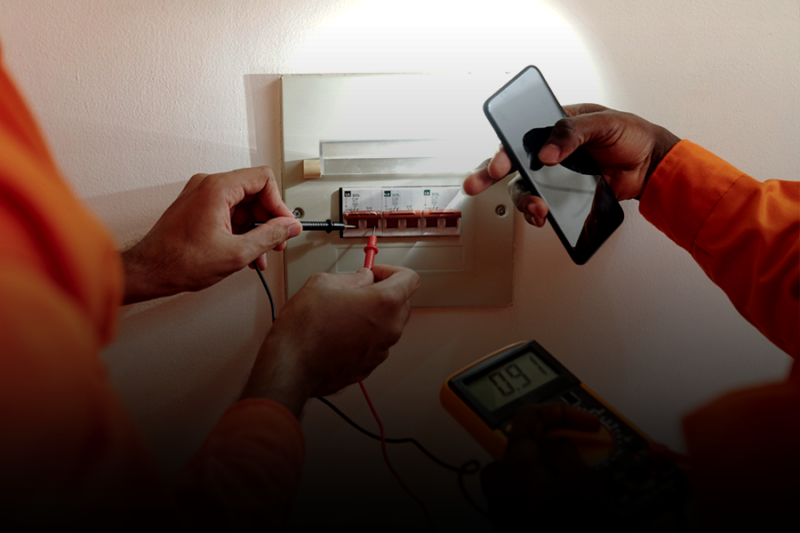
Some repainting jobs are straightforward. Others are warning signs of deeper trouble. If damp patches return after every rainy season, cracks keep widening, mould keeps coming back, or paint peels in the same place repeatedly, the wall may have a hidden leak, poor drainage, failed waterproofing, weak plaster, or structural movement. In that case, repainting alone will not solve the problem.
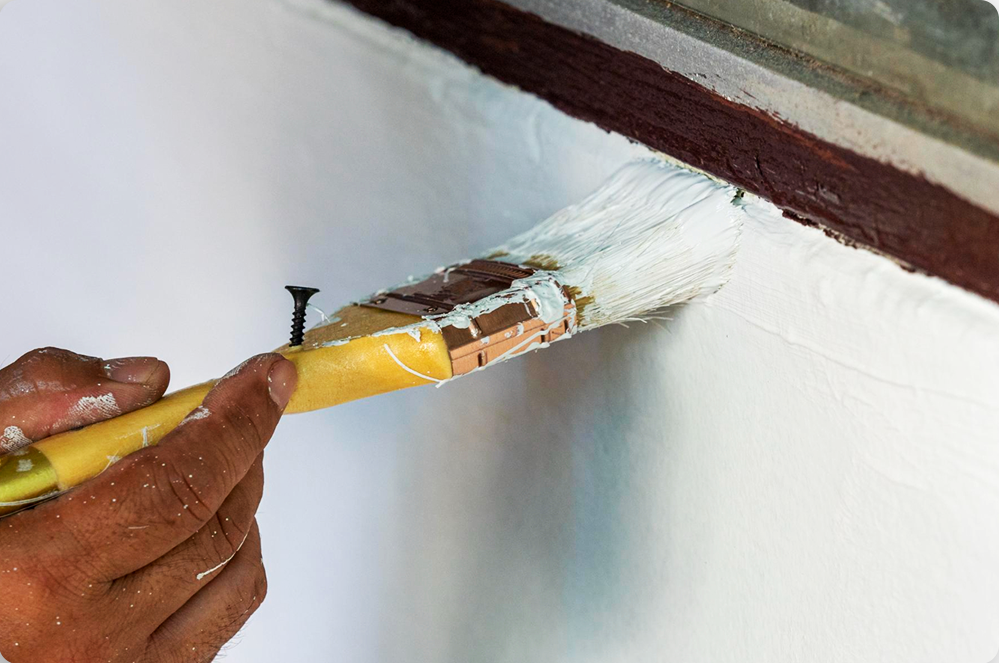
Image Credit: Magnific
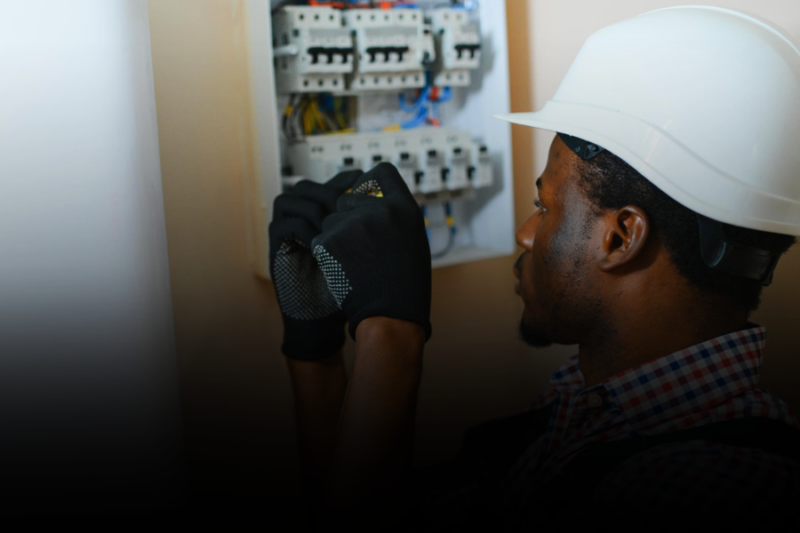
This is where a trained painter, handyman, or fundi adds real value. The right professional checks the source of the damage, prepares the wall properly, recommends the correct paint system, and avoids shortcuts that cause early failure.
A cheap repaint that ignores the root cause can become an expensive repeat job.
The Smart Fix
At Fixo Solutions Limited, we connect homeowners, landlords, and property managers with vetted painters, technicians, and fundis who understand exterior wall repainting from inspection to final coat. They do not just cover stains.
They help identify dampness, repair cracks, prepare the surface, and apply the right solution for longer-lasting results.
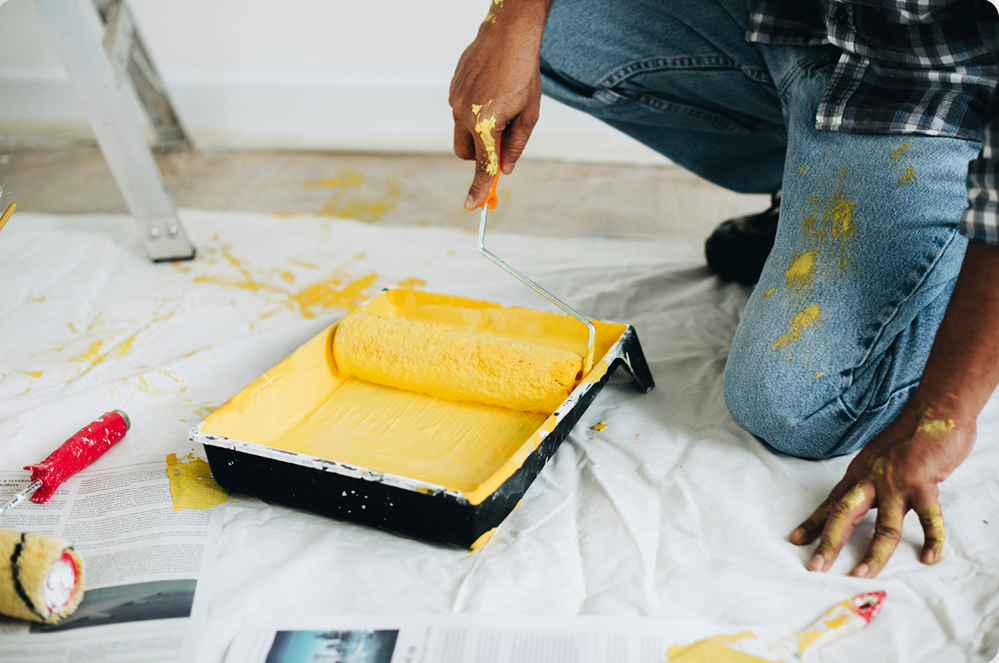
Image Credit: Magnific
If your exterior walls are peeling, bubbling, stained, or looking tired after the rains, do not rush into another quick coat. Get the wall checked, prepared, and repainted properly.
Reminder: Inspect first, repair what failed, prep properly, choose weather-resistant products, and call a professional when the signs point to deeper moisture issues. Repainting is not about speed — it is about doing it once and doing it right.

Frequently Asked Questions: Exterior Wall Repainting in Kenya
Q: Can I paint exterior walls immediately after rain?
A: No. The wall should be fully dry before painting. If moisture is trapped beneath new paint, it can cause bubbling, peeling, stains, and early paint failure. Shaded or damp-prone walls may need more drying time than walls exposed to direct sun.
Q: Why does my exterior paint keep peeling?
A: Peeling is often caused by moisture behind the paint, poor surface preparation, skipped primer, painting on dusty or chalky walls, or using the wrong paint for exterior conditions.
The repeated peeling area should be inspected before repainting.
Q: Is primer really necessary for exterior walls?
A: In many repainting jobs, yes. Primer helps paint bond better, improves coverage, and supports a more even, durable finish, especially on repaired, porous, stained, chalky, or previously damaged walls.