
You open your water bill and pause. It is higher than usual, yet your routine has not changed. No extra laundry, no visitors, no new appliances. That is what makes hidden plumbing leaks so frustrating: they waste water quietly, often for weeks, before they become obvious.
In many Kenyan homes, the cause is not a dramatic burst pipe. It is a dripping tap, a toilet that keeps refilling, a loose joint under the sink, or a cracked hose connection slowly losing water day after day.
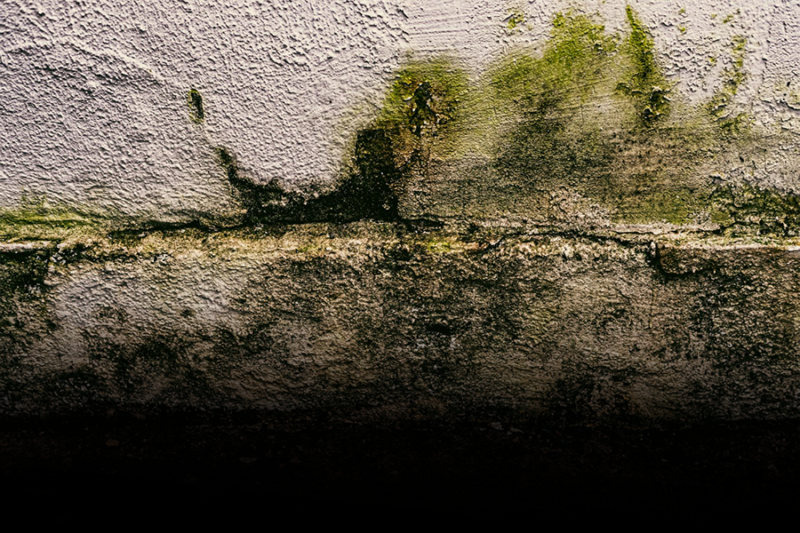
These small leaks matter because they affect more than your monthly bill. Left unchecked, they can stain walls, warp cabinets, weaken finishes, encourage mould growth, and create damp conditions that attract pests.
Guidance on common plumbing problems in Kenyan homes consistently highlights leaky taps, running toilets, worn washers, loose fittings, and hidden pipe leaks as frequent causes of both water wastage and property damage.
Why Small Leaks Matter More Than You Think
A slow drip may not feel urgent, but plumbing professionals repeatedly warn that minor leaks are among the most expensive problems when ignored because the damage accumulates quietly. A leaking tap can waste water every hour of the day.
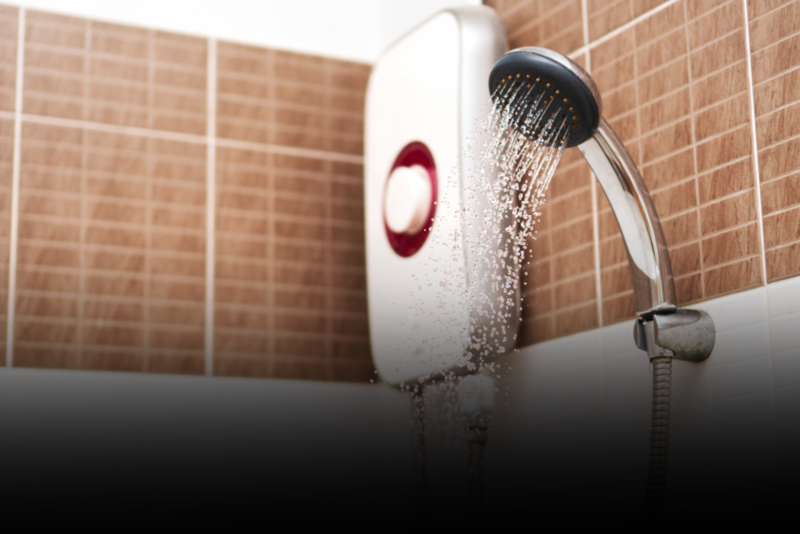
A toilet with a faulty flapper or misaligned float can refill unnecessarily and send treated water straight to waste.
A concealed pipe leak can soak wall finishes or cabinetry long before you notice a puddle.
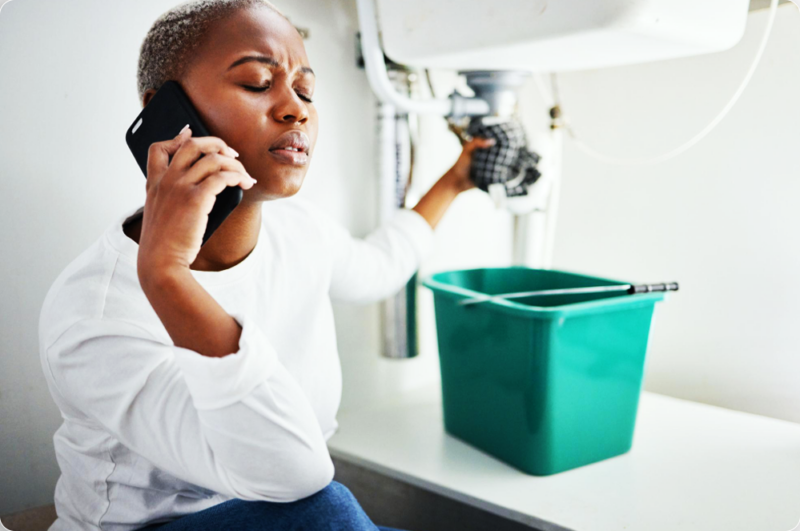
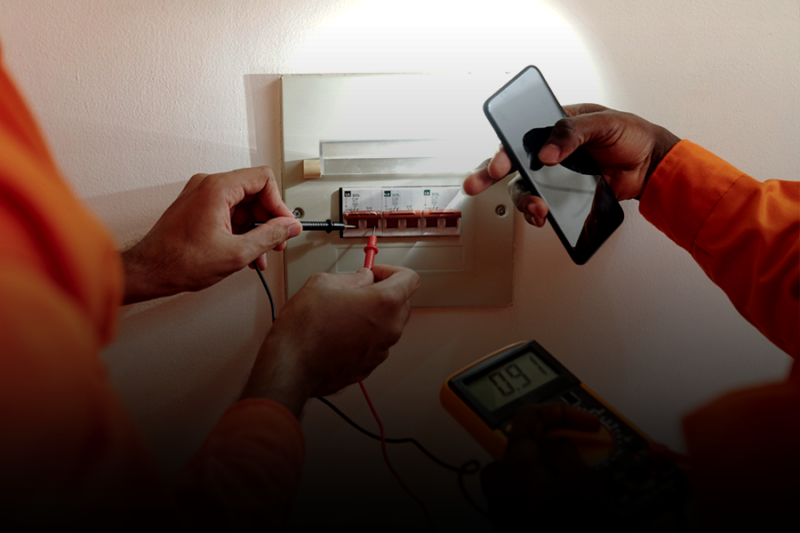
Image Credit: Magnific
In Nairobi and other urban areas, where supply pressure can fluctuate and many homes rely on storage tanks, pumps, and aging pipework, small plumbing faults can worsen faster than homeowners expect.
The true cost of a leak is therefore twofold: direct water loss and secondary damage.
What begins as a minor drip can end in peeling paint, swelling MDF cabinets, musty odours, and expensive repairs to finishes that were never designed to stay damp.
The lesson is simple: the smaller the leak looks, the easier it is to postpone, and that delay is often what makes it costly.
Common Household Leaks to Watch For
The most common culprits in homes are usually the least dramatic ones: worn tap washers, deteriorated O-rings, loose pipe joints beneath sinks, faulty toilet valves, cracked washing machine hoses, and aging plumbing seals around fixtures.
Kenyan home maintenance guides also point to leaking pipes, blocked drainage systems, and failing fittings as recurring household issues, especially where plumbing materials are old or were poorly installed in the first place.
Some warning signs are visual, while others are easy to miss. Watch for damp smells, peeling paint, warped cupboards under sinks, discoloured wall patches, or faint hissing sounds when no tap is open.
If your water meter moves even though every tap and outlet is closed, that is often a strong signal that water is escaping somewhere in the system.
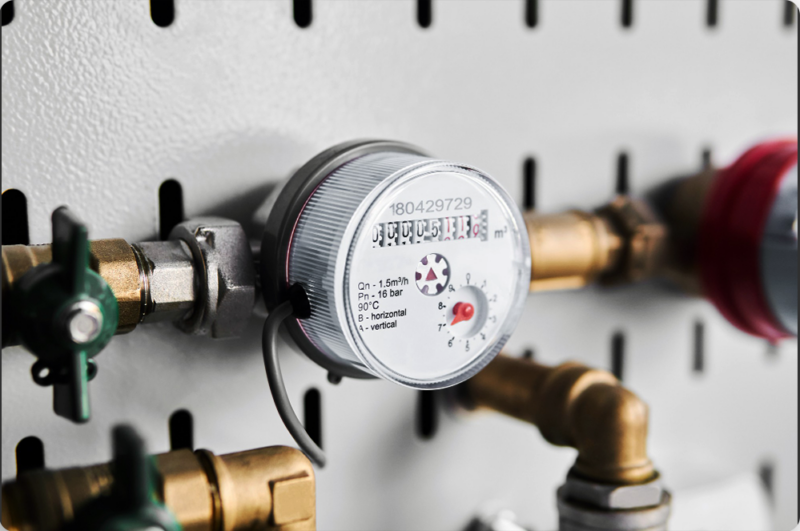
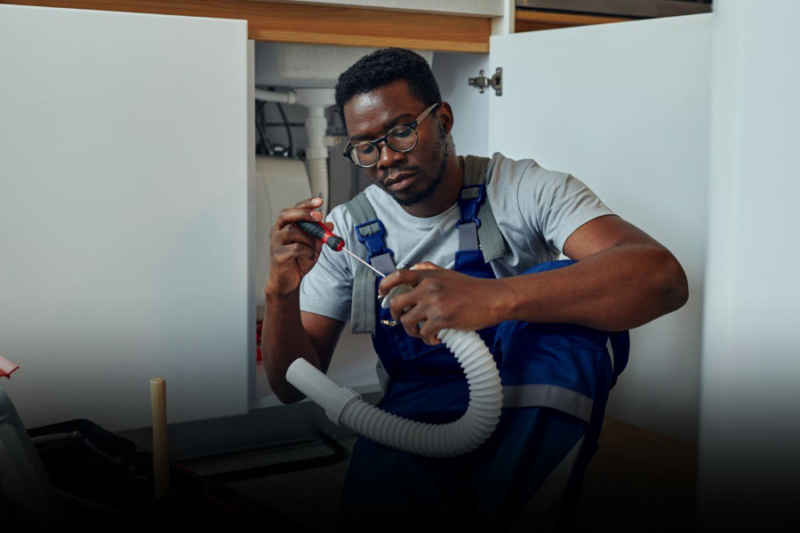
Image Credit: Magnific
Professionals offering leak detection in Nairobi describe these early signs as some of the clearest clues that a hidden fault is already active behind a wall, under a floor, or within a concealed service line.
Simple DIY Fixes You Can Try First
Not every leak requires an emergency call-out. Some minor faults can be slowed or stopped with simple maintenance, especially when the issue is isolated to a visible fitting.
The key is to act early, use the right parts, and stop if the repair becomes more complex than it first appeared.
-
- Tighten loose pipe connections under sinks or near exposed shut-off valves.
- Replace a worn tap washer or O-ring if a faucet keeps dripping after it is turned off.
- Check the toilet tank for a worn flapper, stuck float, or fill valve that is not shutting off properly.
- Inspect washing machine and dishwasher hoses for bulges, cracks, or loose couplings.
- Dry any damp area fully, then monitor whether moisture returns after normal household use.
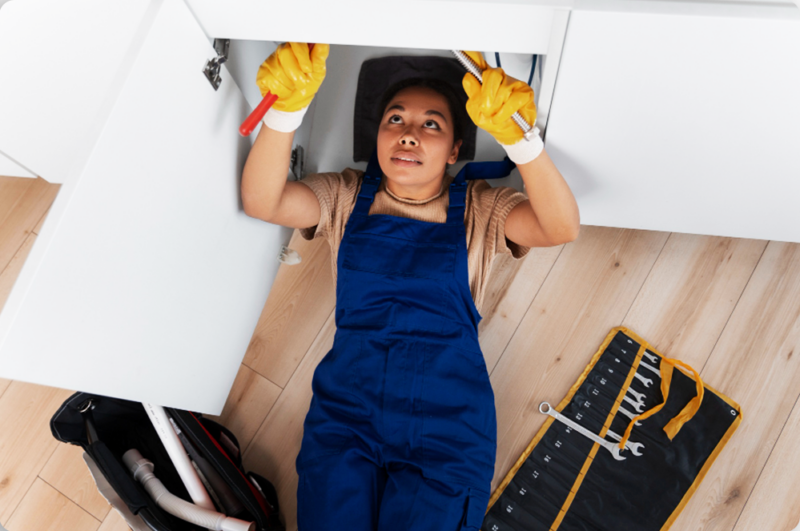
Image Credit: Magnific
These are practical first steps often recommended in Kenyan plumbing guides for dripping taps, leaking fittings, and running toilets. They are useful because they address the simple, high-frequency faults that cause many unexplained bill increases without requiring invasive work.
When It Is Time to Call a Fundi
Persistent leaks often point to a deeper plumbing problem such as failing concealed pipework, pressure issues, poor installation, or damage that has spread beyond the visible fitting.
If the same leak keeps returning after you tighten a connection or replace a washer, that is usually a sign the visible symptom is not the root cause.
- Water pressure drops suddenly or fluctuates across several fixtures.
- Walls, ceilings, or floors develop damp patches or soft spots.
- You can hear water moving inside walls when no outlet is in use.
- Your bill rises sharply with no obvious change in water use
Professional plumbers use tools and inspection methods that go beyond a visible repair, including pressure testing, targeted inspections, and leak detection techniques designed to locate the actual source.
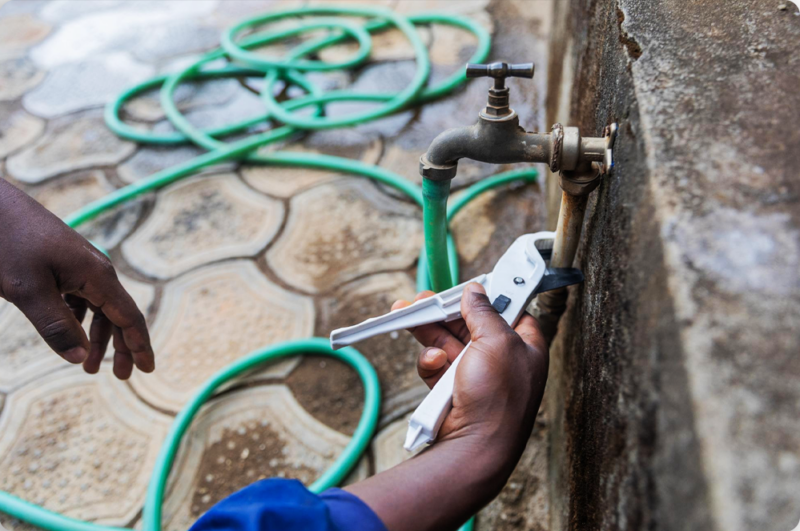
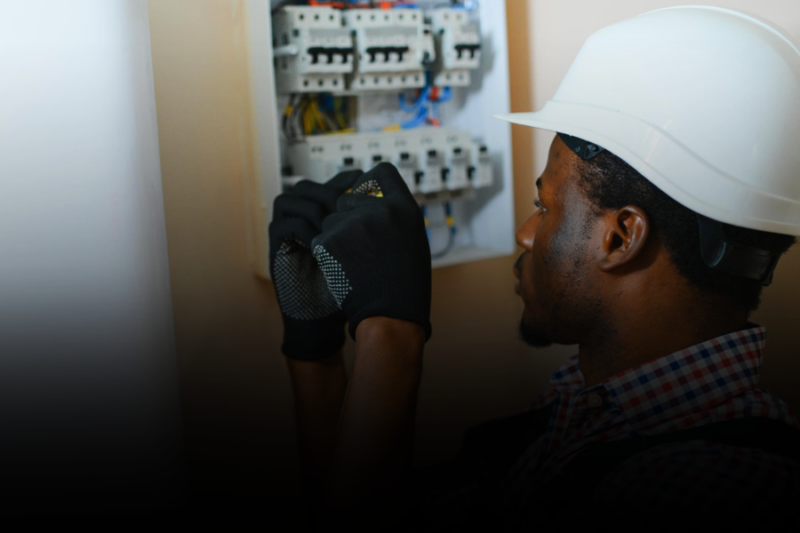
Image Credit: Magnific
Several Kenya-focused plumbing resources emphasise that hidden leaks, wall dampness, and unexplained high bills are exactly the situations where professional diagnosis prevents repeat failures and larger repair costs.
The Smart Fix: Get a Vetted Professional
A professional repair is not just about stopping a drip. It is about identifying why the leak started, whether nearby components are also failing, and how to prevent the same issue from returning a few weeks later.
That matters in homes where plumbing systems may have been patched repeatedly over time or upgraded in stages using mixed materials.
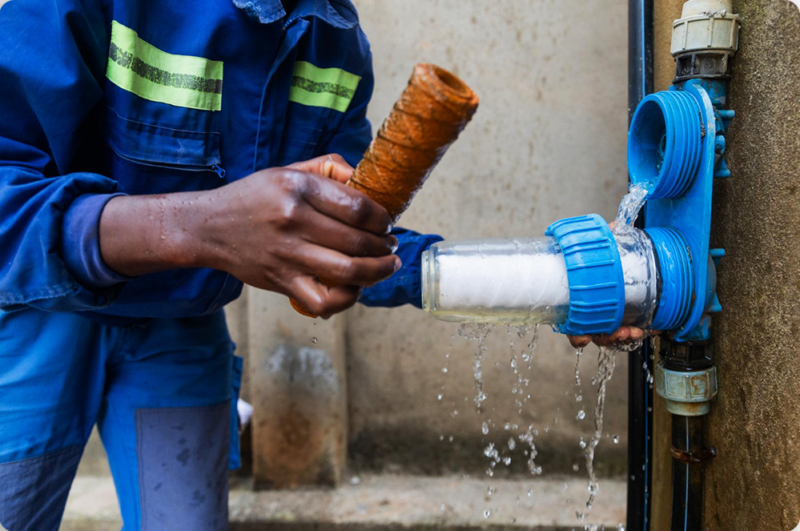
Image Credit: Magnific
That is why using a vetted fundi makes a real difference. A qualified technician can detect hidden faults, replace worn parts correctly, and assess whether the problem comes from pressure, pipe condition, installation quality, or fixture failure.
Fixo Solutions connects homeowners with vetted plumbing professionals for leak detection, plumbing repairs, and preventive maintenance, making it easier to solve the issue properly the first time.
A Quick Reminder
Leaks rarely announce themselves loudly. They creep in through drips, stains, soft patches, and unexpectedly high bills.
Catching them early is one of the simplest ways to protect your home, reduce water waste, and avoid unnecessary repair costs.
If something feels off, trust the signs and act before a minor leak turns into a major repair.
Frequently Asked Questions: Hidden Water Leaks in Kenya
Q: How can I tell if a hidden leak is causing my high-water bill?
A: Start with the basics: turn off all taps and water-using appliances, then check whether your meter is still moving. Also look for damp smells, peeling paint, warped cabinets, running toilet sounds, or moisture that keeps coming back after you dry it.
These are common early indicators of hidden leaks in Kenyan homes.
Q: Which leaks can I usually fix myself?
A: Homeowners can often handle simple issues such as replacing a tap washer, tightening a visible fitting, or checking a toilet flapper or float.
If the leak is concealed, affects several fixtures, or returns after a simple repair, it is safer and more cost-effective to call a professional fundi.
Q: Why should I use a vetted plumber instead of the cheapest option?
A: Because leak repair is not only about the visible symptom. A vetted plumber is more likely to diagnose the root cause, use the right replacement parts, and prevent repeat damage to walls, cabinets, and finishes.
Verified plumbing services in Kenya are especially valuable for hidden leaks, pressure-related faults, and repeat failures.

Suspect a hidden leak? Book a vetted plumber via Fixo Solutions for leak detection, plumbing repairs, and preventive maintenance before the damage spreads.