
Handyman costs in Kenya vary considerably (from a KES 500 tap repair to a KES 50,000 full bathroom renovation) and understanding what drives those costs is essential before you hire. Whether you own a flat in Kilimani or a maisonette in Syokimau, knowing what to expect helps you budget accurately, avoid overcharging, and choose the right professional for the job.
This guide breaks down every factor that influences handyman pricing in Kenya, provides typical cost ranges for the most common repair categories, and explains how to ensure you are getting fair value every time.
What Is the Average Cost of a Handyman/fundi in Kenya?
The average daily rate for a general handyman in Kenya ranges from KES 1,500 to KES 4,000 per day for standard maintenance work, depending on skill level, location, and specialisation. Specialist tradespeople (certified electricians, licensed plumbers, or experienced tilers) command higher rates, typically between KES 3,000 and KES 8,000 per day for labour alone.
However, most homeowners in Kenya pay per job rather than per day, and job-based pricing reflects the complexity, tools required, materials involved, and urgency of the repair.
Factor 1: Type of Job and Trade Specialisation
The nature of the repair is the most significant driver of cost. General maintenance tasks (repainting walls, adjusting doors, replacing handles and hinges) are at the lower end of the pricing spectrum because they require common skills and basic tools.
Specialist trade work (electrical rewiring, plumbing behind walls, structural repairs, or waterproofing) costs more because it demands specific qualifications, specialist equipment, and carries a higher liability if done incorrectly.
Typical cost ranges in Kenya by trade:
- General maintenance and carpentry: KES 500 to KES 4,000 per job.
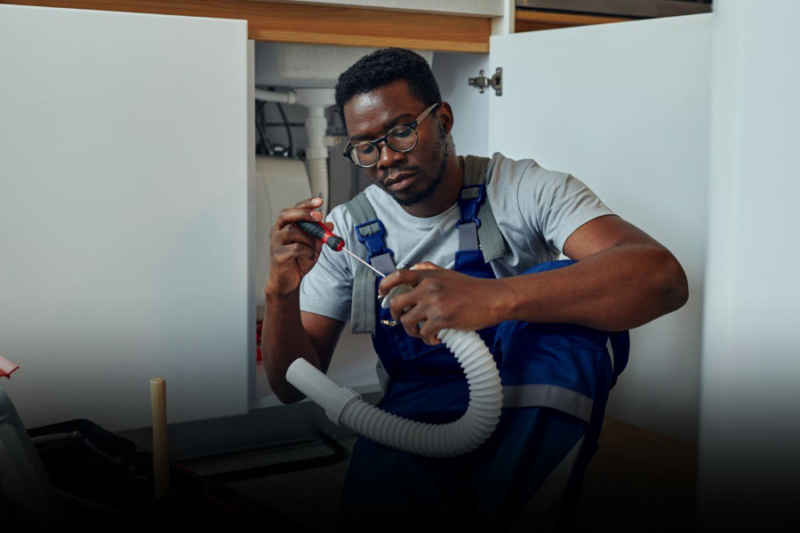
- Plumbing (tap replacement, blockage clearing): KES 1,500 to KES 6,000.
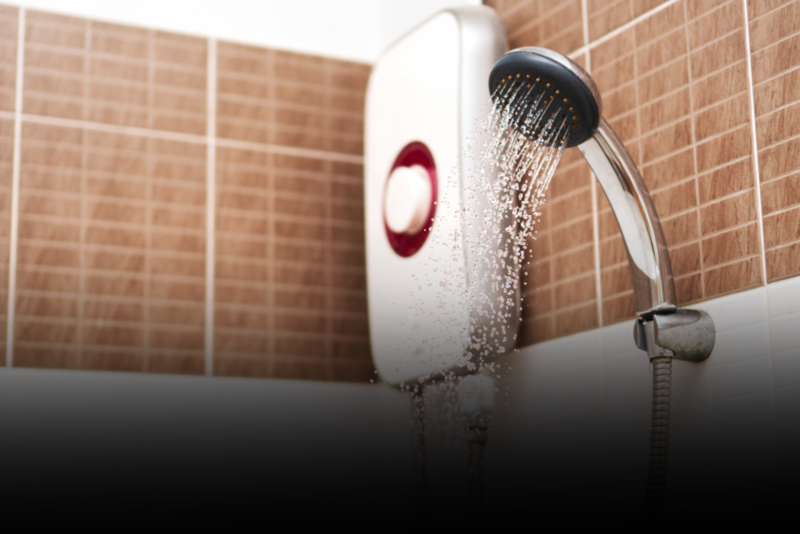
- Plumbing (pipe repairs behind walls, geyser installation): KES 5,000 to KES 20,000.
- Electrical (socket/switch replacement): KES 1,000 to KES 3,500.
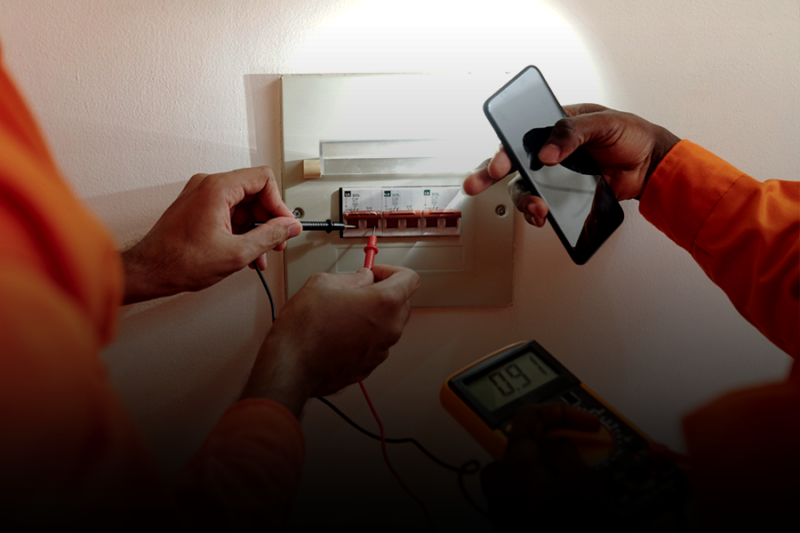
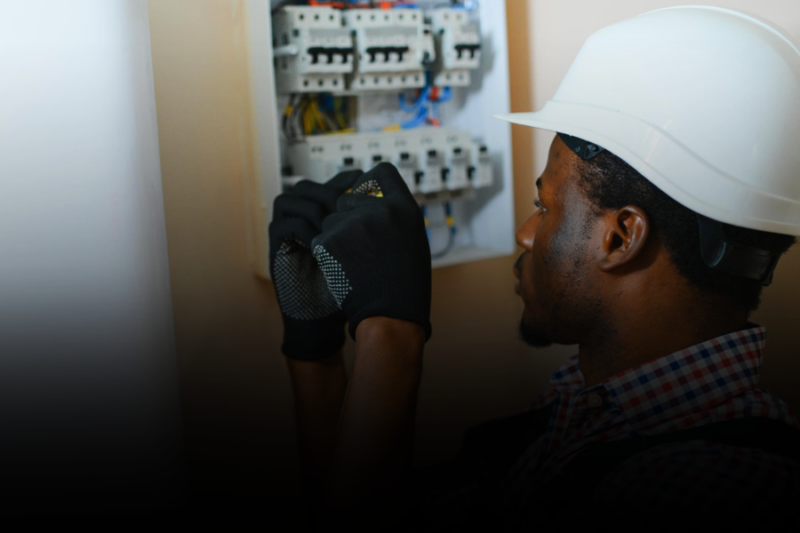
- Electrical (circuit installation, rewiring): KES 8,000 to KES 35,000.
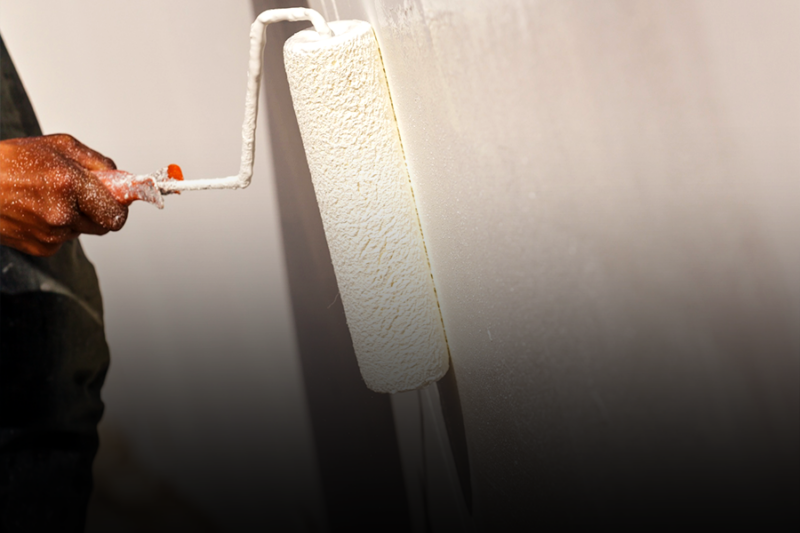
- Tiling (per square metre): KES 400 to KES 900. Painting (per room): KES 3,500 to KES 12,000.
Factor 2: Labour Versus Materials
In Kenya, handymen quote either inclusive (labour plus materials) or exclusive (labour only) of materials. \
This distinction is critical and a common source of billing disputes. Always clarify in writing whether your quote is inclusive or exclusive of materials before work begins.
Material markup is a frequent area of overcharging among unverified handymen. A gate valve that retails at KES 350 in a hardware shop may be quoted at KES 900 on a bill.
Using a verified platform that provides transparent, itemized pricing such as Fixo Solutions, eliminates this ambiguity and ensures you pay market-rate prices for materials.
For larger jobs, consider purchasing materials yourself from a reputable supplier after the handyman or fundi specifies exactly what is needed.
This gives you full visibility on material costs and quality.
Factor 3: Location Within Kenya
Location has a measurable impact on handyman costs in Kenya. Nairobi’s upper-mid market areas (including Karen, Runda, Westlands, Lavington, Gigiri, and Muthaiga) attract higher rates than estates such as Kahawa, Ruiru, Thika, or Athi River.
This reflects both higher living costs in those areas and the expectation from clients for more polished service delivery.
Mombasa, Kisumu, and Nakuru have their own local pricing norms, generally slightly below Nairobi rates for equivalent work.
Rural and peri-urban areas may be lower still, but access to skilled verified tradespeople is more limited.
Travel and call-out fees are an additional consideration. Many handymen charge a fuel or call-out fee of KES 300 to KES 1,000 for locations more than 10km from their base.
Platforms like Fixo Solutions match you with verified professionals in your vicinity, reducing or eliminating call-out fees.
Factor 4: Urgency and Emergency Rates
Emergency and after-hours repairs are significantly more expensive than planned work.
A burst pipe repair at 9 PM on a Sunday can cost two to three times the standard day rate for the same job done on a Tuesday morning.
This premium reflects the disruption to the tradesperson’s time, travel in off-peak hours, and the urgency of the situation.
The most effective way to control costs is to address issues before they become emergencies. Scheduling routine maintenance inspections (a practice strongly recommended for both homeowners and landlords) catches developing faults early, when repair costs are lowest.
If you do need an emergency handyman, avoid accepting the first price offered by an unverified caller.
Use a platform with transparent emergency pricing and a vetted network to ensure you are not being taken advantage of in a vulnerable moment.
Factor 5: Verified vs Unverified Handymen
Verified handymen/fundis who have undergone identity checks, skills assessments, and background screening through a reputable platform, typically charge a modest premium over unverified alternatives.
This premium is justified and, in most cases, represents a better total cost outcome for the homeowner.
The reason is straightforward: work done correctly the first time costs less than work that needs to be redone.
An unverified handyman who charges KES 2,000 for a plumbing repair that fails within two weeks ends up costing you KES 2,000 plus the cost of the second repair, plus the water damage from the intervening leak.
A verified handyman charging KES 3,500 for a durable repair is the more economical option.
Additionally, verified professionals are less likely to disappear after taking a deposit, less likely to pad material costs, and more likely to honour any rectification work if there is a fault in their workmanship.
Factor 6: Complexity and Access Difficulty
Jobs that are technically complex or physically difficult to access attract higher rates. A pipe in an accessible under-sink location costs less to repair than the same fault in a pipe buried beneath a concrete screed floor.
Electrical work in a roof void, tiling on a high bathroom wall, or repainting on a third-floor façade all carry complexity and safety premiums.
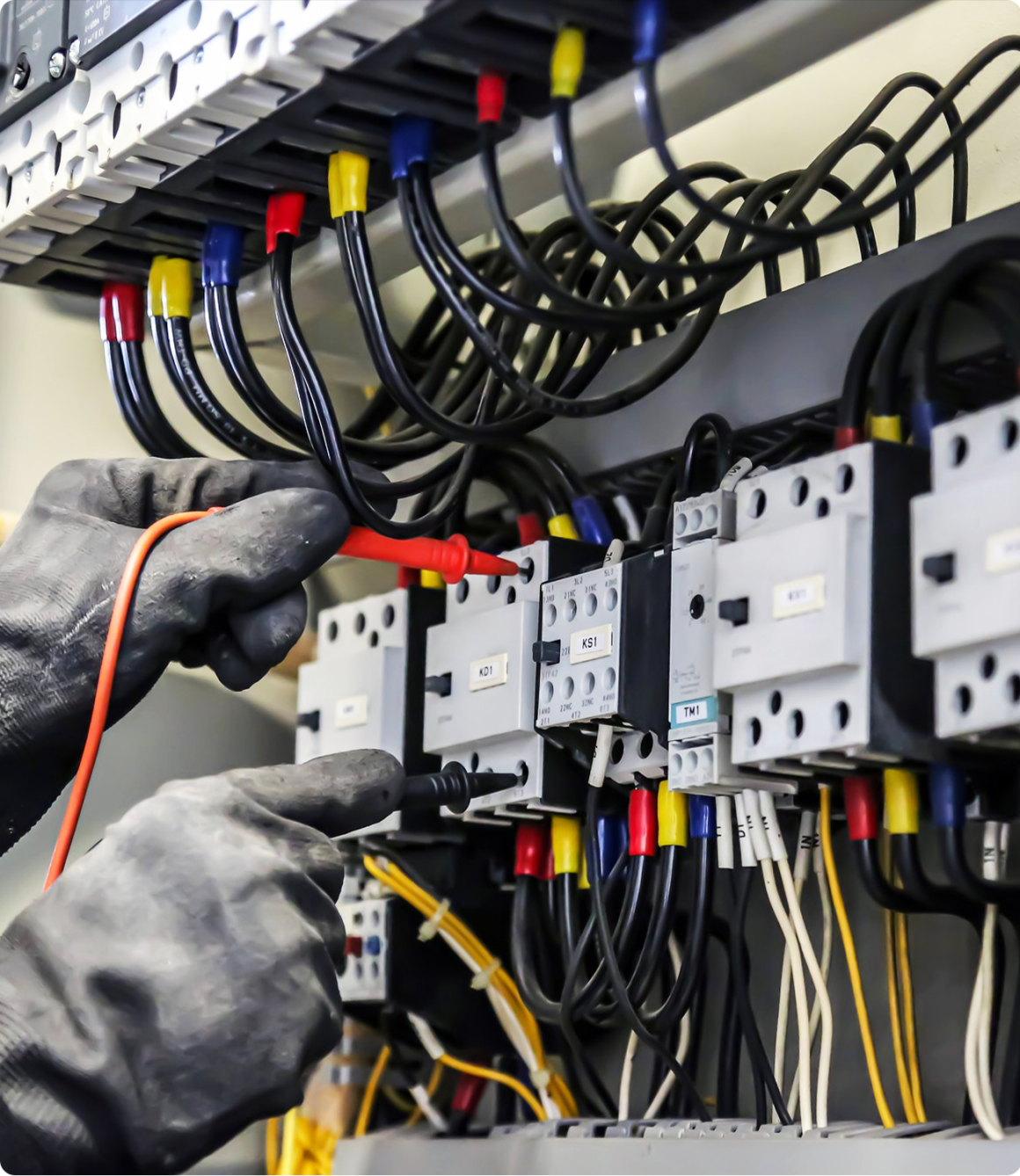
Image Credit: Magnific
When requesting a quote, always describe the access situation clearly, and ask the handyman to see the job in person before quoting if the access or complexity is unusual.
A quote given blindly over the phone is likely to change when the handyman arrives and sees the actual conditions.
How to Ensure You Are Getting Fair Value
Getting value from handyman services in Kenya comes down to three practices: obtain at least two comparative quotes for any job above KES 5,000; request an itemized breakdown of labour and materials before approving work; and always use a verified professional for specialist trade work.

Image Credit: Magnific
Verbal quotes are unreliable. A short written message via WhatsApp or a quote from a platform that records the agreed price provides a clear reference point if there is any dispute.
Platforms like Fixo Solutions provide digital job records, agreed pricing, and client reviews, protecting both the homeowner and the professional.
Red Flags When Hiring a Handyman in Kenya
Beyond understanding costs, recognizing warning signs during the hiring process protects you from poor outcomes.
Red flags include a refusal to provide a written quote, an insistence on full payment before starting work, no verifiable identity or reference, vague answers about how long the job will take, and the inability to name the specific materials they plan to use.
Legitimate professionals (whether found through a platform like Fixo Solutions or through a trusted referral) are comfortable with written agreements, partial payment on completion, and providing evidence of previous work.
If a handyman or fundi resists any of these reasonable requests, treat this as a strong signal to look elsewhere regardless of how competitive their price appears.
Frequently Asked Questions: Handyman or Fundi Costs in Kenya
Q: What is a fair price for a plumber in Nairobi?
A: A fair price for a plumber in Nairobi ranges from KES 1,500 to KES 4,000 for straightforward jobs such as tap replacement or blockage clearing, up to KES 10,000 to KES 25,000 for pipe repairs behind walls or geyser installation.
Always ask for an itemized quote that separates labour from materials.
Q: Should I pay a deposit to a handyman in Kenya?
A: For small jobs under KES 5,000, payment on completion is standard and preferred.
For larger jobs requiring the purchase of materials in advance, a deposit of 30-50% is reasonable. Avoid paying more than 50% upfront to any unverified individual.
Q: Why do handyman or fundi prices vary so much in Kenya?
A: Variation in handyman pricing in Kenya reflects differences in skill level and certification, location and travel cost, material quality, urgency and timing, and whether the professional is verified through a reputable platform.
Q: Is it cheaper to hire a handyman or a contractor in Kenya?
A: For repairs and small maintenance tasks, a handyman/fundi is almost always cheaper than a contractor.
Contractors are appropriate for new construction, major renovations, or projects requiring multi-trade coordination, where their project management capability justifies the higher cost.