
Property maintenance in Kenya is one of the most significant cost centres for landlords and property management companies, and one of the areas where data-driven, preventive approaches yield the greatest financial returns.
Research from property management industries in comparable emerging markets consistently shows that organisations with structured preventive maintenance programmes spend 20 to 40 percent less annually on repairs than those operating on a reactive, fix-it-when-it-breaks basis.
This guide is written for property managers and landlords in Kenya who manage residential portfolios, whether a single rental unit in Nairobi or a multi-property portfolio across Kenya’s major towns.
It outlines how to build and execute a preventive maintenance programme that measurably reduces repair costs, extends property lifespan, and improves tenant retention.
The Financial Case for Preventive Property Maintenance in Kenya
The total cost of a reactive maintenance event is almost always higher than the equivalent preventive maintenance cost.
This is because reactive maintenance includes not only the repair itself but a set of indirect costs that are easy to undercount: emergency call-out premiums (typically 1.5 to 2.5 times standard rates for after-hours work), damage caused by the fault in the period between failure and repair, loss of rental income during extended repair periods, tenant dissatisfaction that increases turnover rates, and management time diverted to crisis handling.
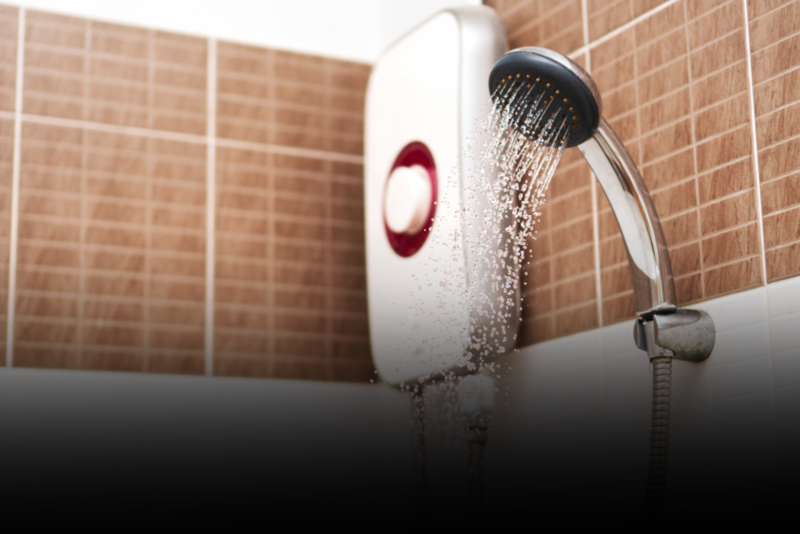
Consider a concrete Kenyan example: a water heater geyser that fails unexpectedly. The unit replacement cost is KES 18,000 to KES 35,000 depending on capacity.
Add emergency plumber call-out fees (KES 5,000 to KES 10,000), potential ceiling damage from a water release (KES 8,000 to KES 25,000 for ceiling replacement), and the cost of tenant accommodation during repair downtime. The total reactive cost can easily reach KES 50,000 to KES 70,000.

Image Credit: Magnific
Annual geyser servicing costs approximately KES 2,500 and typically identifies a geyser approaching end of life before it fails catastrophically.
The financial argument for preventive maintenance is not theoretical. It is consistent, quantifiable, and confirmed by property management professionals across Kenya.
Building a Preventive Maintenance Programme: Five Steps
Step 1: Create a comprehensive property asset register.
For each property under management, list every major system and component: roof type and age, plumbing pipe materials and approximate age, electrical board type and last inspection date, water heating system, security systems, gate motor, borehole pump (if applicable), and any fitted appliances.
Include estimated remaining lifespan and last service date for each item. This register is the foundation of all maintenance planning.

Image Credit: Magnific
Step 2: Establish Inspection Schedules
Schedule a minimum of two property inspections per year for each unit, one at the beginning of the dry season and one before the long rains.
Rainy season preparation is particularly important in Kenya: roofs, gutters, drainage, and external walls are the systems most likely to fail under rain-season stress, and addressing vulnerabilities before the rains arrive is always cheaper than emergency repairs during them.
Inspections should follow a standardised checklist that covers the roof, gutters and drainage, all plumbing outlets and under-sink areas, DB board and visible electrical installations, security fixtures, and the condition of all external surfaces.
Findings should be documented with photographs and a written report.
Step 3: Build a Reliable Maintenance Partner Network
The most common obstacle to effective property maintenance in Kenya is the unreliability of unverified tradespeople.
A property manager who must spend time finding, vetting, and chasing individual handymen for every job loses significant administrative efficiency.
Building a pre-qualified network (or engaging a managed maintenance platform) transforms this process.

Image Credit: Magnific
Platforms such as Fixo Solutions provide property managers with access to a pre-vetted network of handymen and specialist tradespeople, digital job tracking, transparent pricing, and consolidated reporting.
This eliminates the administrative burden of managing multiple unverified individuals and provides a defensible audit trail for property owners who require maintenance accountability.
For larger portfolios, a dedicated maintenance retainer arrangement with a platform or maintenance company provides guaranteed response times, predictable monthly costs, and priority access to tradespeople during peak demand periods such as the onset of the rains.
Step 4: Budget and Track Maintenance Costs Systematically
Property managers in Kenya should budget approximately 1.5 to 2 percent of a property’s current market value annually for maintenance and repairs.
For a property valued at KES 8,000,000, this represents an annual maintenance budget of KES 120,000 to KES 160,000, roughly KES 10,000 to KES 13,000 per month.
Track all maintenance expenditure against this budget by property, by system, and by trade.

Image Credit: Magnific
Over 12 to 24 months, this data reveals patterns: which properties are chronically underperforming, which systems are generating disproportionate spend, and where a capital investment (such as a roof replacement rather than repeated patch repairs) would be more economical than continued reactive maintenance.
This data also provides clear evidence for property owners regarding where capital investment is required, and is a significant tool for property managers who need to justify capital expenditure recommendations.
Step 5: Engage Tenants as Maintenance Partners
Tenants who understand basic maintenance responsibilities and who trust that reported issues will be addressed promptly become a valuable early-warning system for developing faults.
A tenant who reports a slow drain immediately prevents the blockage from becoming a sewage backup.
A tenant who reports a hairline crack around a window frame prevents the crack from developing into a moisture ingress pathway that damages the internal wall.
Provide new tenants with a simple one-page guide on: how to report maintenance issues (and to whom), which minor tasks are their responsibility, where the main water stopcock and circuit breaker are located, and what constitutes an emergency requiring immediate action.
This investment of 30 minutes at tenancy commencement pays dividends across the tenancy term.
Technology Tools for Property Maintenance Management in Kenya
Property management in Kenya is increasingly supported by digital tools that reduce administrative burden and improve maintenance oversight.
At the basic level, a shared WhatsApp group between a property manager, key tenants, and maintenance contacts provides a simple, documented communication channel for reporting and tracking maintenance issues.
Messages are time-stamped, searchable, and provide a record of when faults were reported and addressed.
More structured solutions include property management software with maintenance tracking modules (available at various price points for the Kenyan market) that allow property managers to log faults, assign jobs to contractors, track progress, and store completion records against each property and unit.
This structured approach is particularly valuable for portfolios of more than three properties, where the volume of maintenance activity exceeds what can be reliably tracked through informal means.
Platforms such as Fixo Solutions provide property managers with a digital interface for maintenance booking, job tracking, and consolidated reporting, functions that previously required significant administrative time when coordinating multiple individual contractors.

The ability to see all active jobs across a portfolio in a single view, with status updates and cost tracking, transforms the economics of property maintenance management.
For landlords managing properties in multiple counties (for instance, units in both Nairobi and Mombasa) a platform with national coverage eliminates the challenge of maintaining separate, locally sourced contractor networks in each city.
Consistent standards, consistent pricing benchmarks, and a single consolidated reporting view make portfolio management at scale genuinely practical rather than administratively overwhelming.
Data from well-managed Kenyan rental portfolios consistently shows that properties with documented maintenance programmes achieve lower vacancy rates than comparable properties without them, because tenants who experience timely, professional maintenance responses renew their tenancies at higher rates.
This relationship between maintenance quality and tenant retention has a direct, measurable impact on annual rental income.
In competitive urban rental markets such as Nairobi, Mombasa, and Kisumu, this retention advantage compounds over time into a significant yield differential between well-maintained and poorly maintained properties.
Frequently Asked Questions: Property Maintenance in Kenya
Q: How much should a landlord budget for property maintenance in Kenya?
A: The industry standard recommendation for property maintenance budgeting in Kenya is 1.5 to 2 percent of the property’s current market value per year.
For a KES 10,000,000 property, this equates to KES 150,000 to KES 200,000 annually, covering routine inspections, minor repairs, and a reserve for unplanned maintenance events.
Q: What is the most cost-effective property maintenance investment for Kenyan landlords?
A: Annual roof inspection and maintenance typically offers the highest return on maintenance investment for Kenyan landlords.
Roof failures cause damage to multiple secondary systems (ceilings, electrical, structural timber, and interior finishes) making roof maintenance among the highest-leverage expenditures.
Q: Can a property management company in Kenya be held liable for maintenance failures?
A: Property management companies operating under a full management mandate in Kenya may be held liable for maintenance failures if they are negligent in their inspection, reporting, or engagement of contractors.
Clear contractual terms defining inspection frequency, reporting obligations, and expenditure authorisation thresholds are essential to defining and limiting liability.