One quiet evening, a couple was getting ready to turn in for the night when shouting suddenly came from their daughter’s bedroom. A wall socket had caught fire, and the carpet beneath it had started to burn. Thankfully, they acted quickly: they switched off the mains, unplugged what they could safely reach, and put out the flames before the fire spread.
Everyone was safe and the damage was limited. But it was a reminder of how quickly a normal night can turn into a disaster.
Because electricity is part of everyday life, many homes treat sockets, adapters, and extension leads casually—until something overheats.
Whether you live in Nairobi, Mombasa, Kisumu, Eldoret, or a smaller town, most home electrical incidents start the same way: a loose connection, an overloaded socket, or an extension cord that becomes “permanent.”
Below are simple habits that lower the risk of shock and electrical fire—and clear signs it’s time to call a qualified electrician for electrical repair in Kenya.
Why “Small” electrical habits matter (more than big repairs)
Most electrical disasters don’t begin with a “dramatic spark” — they begin with heat. Overload raises current, components warm up, insulation softens, and connections loosen. Heat often builds at plugs and sockets, or along cords that are coiled, covered, pinched under furniture, or run through doorways.
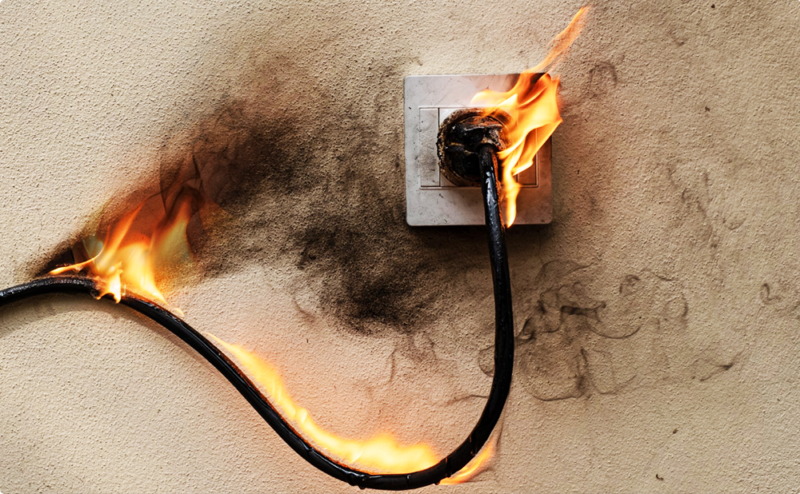
Image Credit: Magnific
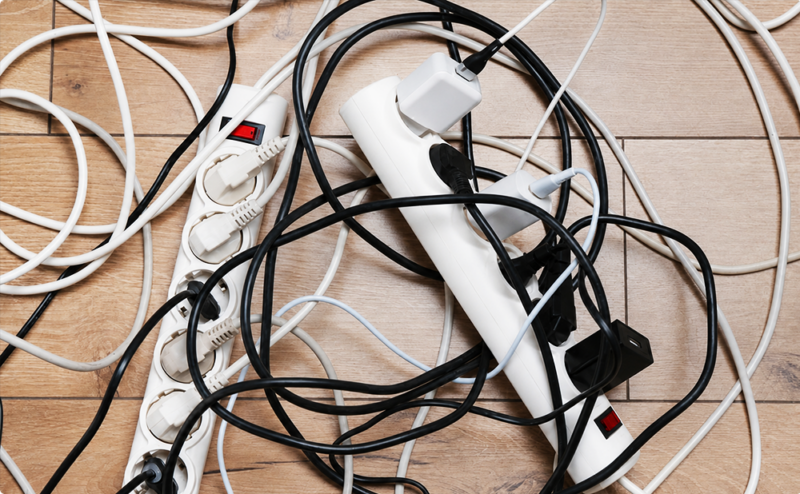
Multi-way extensions can be misleading: more sockets does not mean more safe capacity. Overloading can overheat plugs and outlets, and extension cords are meant for temporary use—not as a substitute for wiring. If you constantly rely on adapters and power strips, it’s usually time to add outlets or have a circuit assessed by a qualified electrician.
10 Small habits that prevent electrical fires and shocks
Give high-power appliances their own outlet
Irons, kettles, heaters, microwaves, fridges, and washing machines draw far more current than chargers and lamps.
Avoid running several heavy appliances on one extension or multi-plug. Aim for one high-power appliance per wall outlet, and if you don’t have enough outlets, have an electrician add sockets instead of chaining extensions.
Stop “daisy-chaining” power strips and adapters
Plugging one extension into another (or stacking adapters) increases resistance and heat at each connection point. It also makes it easy to overload without noticing.
If you must use a power strip, plug it directly into a wall socket, keep it visible (not under carpets), and limit it to low-power electronics like TVs, routers, and phone chargers.
Image Credit: Magnific
Treat warmth as a warning, not “normal”
A wall socket, plug top, or extension lead should not feel warm during normal use. Heat means poor contact, overload, or internal damage. Switch off at the wall, unplug, and do not use that point again until it is inspected. This simple habit prevents many “mystery” socket fires.
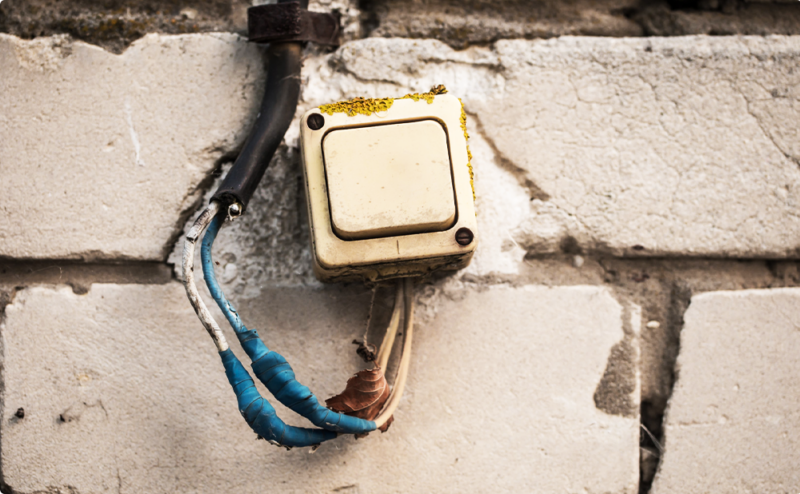
Replace damaged cables early (don’t tape them)
Cracked insulation, exposed copper, loose plugs, and “it only works if I twist it” are early-stage hazards. Don’t tape over splits—tape doesn’t restore insulation or stop internal heating.
Also avoid running cords under carpets or through doorways where they can be crushed and overheat.
Image Credit: Magnific
Keep electricity dry – especially in bathrooms and kitchens
Water and electricity do not mix. Make it routine to wipe wet hands before touching switches, keep appliances away from sinks, and avoid charging phones near the shower area. If you notice water leakage reaching a socket or extension lead, switch off power at the breaker before you attempt to clean or move anything.
Do a weekly “socket scan” in kids’ rooms
Bedrooms can quietly become “charging stations” for laptops, tablets, speakers, and lamps. Once a week, check for loose plugs, damaged adapters, pinched cords, and anything warm to the touch—especially in children’s rooms where new devices are added often.
Unplug appliances you don’t need overnight (where practical)
Not everything must be unplugged every night—fridges and routers are designed to stay on. But for items like irons, hair tools, heaters, and some chargers, unplugging reduces heat build-up and eliminates the risk of a fault continuing unattended while everyone is asleep. If unplugging is difficult, switching off at the wall is still useful (where the socket has a switch).
Respect “nuisance trips” from the breaker
Breakers trip for a reason: overload, short circuit, ground fault, or a failing appliance. If the same breaker trips repeatedly, don’t keep resetting it. Reduce the load and book a professional diagnosis before overheating or arcing develops.
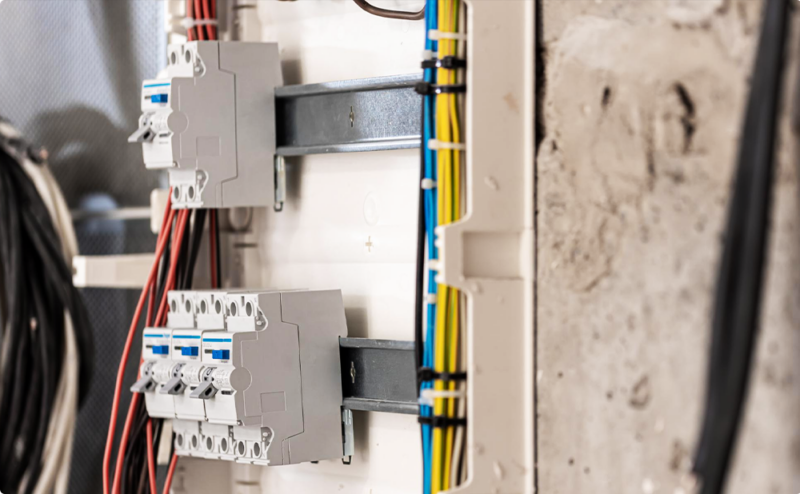
Image Credit: Magnific
Don’t ignore strange sounds or smells
Electricity should be silent and odourless. Buzzing, crackling, or a burning smell (often like melting plastic) means heat and arcing are happening somewhere they should not.
Switch off power at the consumer unit and call an electrician—especially if the smell comes from a socket, switch, or distribution board.
Schedule prevention: inspections beat emergencies
Maintenance is safer (and cheaper) than emergency repairs. In rentals, a simple periodic electrical inspection can spot overloaded circuits, loose terminations, ageing sockets, and unsafe add-ons before they escalate. For landlords, this reduces risk and protects the property.
For tenants, it prevents stressful, dangerous surprises like socket overheating at night.
Do not ignore these early warning signs
- Flickering or dimming lights: often linked to loose connections or overloaded circuits.
- Frequent breaker trips: indicates overload, a fault, or a failing appliance – stop resetting repeatedly.
- Buzzing, crackling, or popping from sockets/switches: could be arcing – switch off and get it checked.
- Burning smell, scorch marks, or melted plastic: treat as an emergency – cut power at the mains.
- Tingling or shocks: stop using the point/device immediately and call a qualified technician.
If you notice any of these signs, don’t “test and see.” Reduce risk: switch off, isolate the circuit if you can do so safely, and get a qualified electrician to diagnose the cause.
When to call a qualified electrician (Electrical Repair Kenya)
Call a professional immediately if there is burning smell, smoke, sparks, tingling/shocks, repeated breaker trips, or visible damage to sockets and cables.
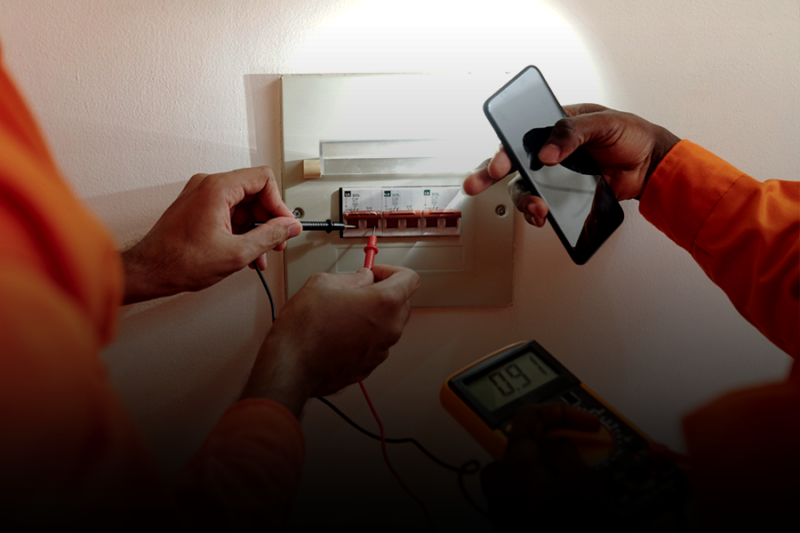
A qualified electrician will test the circuit for overloads and faults, tighten and replace unsafe terminations, verify earthing, and confirm that protective devices are functioning correctly.
They will also advise whether your home needs extra sockets, a dedicated circuit for heavy appliances, or upgrades to prevent repeat incidents.
In many Kenyan rentals, fixed wiring, sockets, switches, and the distribution board are typically handled by the landlord, while tenants should use appliances safely and report faults early.
Share clear details (photos of scorch marks, melted plugs, breaker labels) and agree on a professional inspection—delays turn small repairs into bigger risks and bigger bills.

Frequently Asked Questions: Electrical Safety & Repairs
Q: Is it safe to keep resetting a breaker that keeps tripping?
A: No. Repeated trips mean overload or a fault. Unplug what’s on that circuit and arrange an inspection —forcing a breaker back on can allow overheating to continue.
Q: What does a burning plastic smell near a socket mean?
A: It usually signals overheating insulation or arcing at a loose connection. Switch off power at the mains, stop using that socket, and call a qualified electrician urgently. If there’s smoke or flames, evacuate and contact emergency services.
Q: Are extension cords safe for daily use?
A: Treat them as temporary. They can overheat if overloaded, damaged, or used as a substitute for proper outlets. If you rely on extensions daily, consider adding sockets or having an electrician review your circuit layout.
Q: My lights flicker when I turn on the kettle—should I worry?
A: If it happens often, yes. Reduce the load first (don’t run multiple high-power appliances together). If flicker continues or comes with buzzing, heat, or trips, book an electrician to assess the circuit.
Q: What’s the safest first step if a socket catches fire?
A: If it’s safe to reach, switch off power at the mains first. Do not use water on an electrical fire instead use electrical fire extinguishers. If flames spread, evacuate and call emergency services. Don’t reuse the socket until a qualified electrician inspects and repairs the circuit.