
Some home repairs can be scheduled for next week. Others cannot wait an hour. Knowing the difference is not just a matter of convenience, in some cases, it is a matter of safety, structural integrity, and legal responsibility.
In Kenya, where many homes face environmental stresses from heavy seasonal rains, infrastructure challenges, and ageing construction, the list of repairs that qualify as true emergencies is longer than many homeowners expect.
This guide defines what constitutes an emergency home repair in Kenya, explains what immediate actions to take in each scenario, and clarifies who (landlord or tenant) bears legal and financial responsibility under Kenyan law.
How to Define an Emergency Home Repair
An emergency home repair is any fault that presents an immediate risk to the safety of occupants, causes ongoing damage to the property that will significantly worsen with time, or renders the property uninhabitable. This definition distinguishes genuine emergencies from urgent but deferrable repairs.
A dripping tap is not an emergency. A burst pipe flooding a bedroom is. A flickering light may need attention but is not an emergency. A burning smell from the Consumer Unit is.
Making this distinction clearly helps you respond proportionately and avoid both under-reaction (which causes greater damage) and over-reaction (which results in unnecessary costs).
Electrical Emergencies
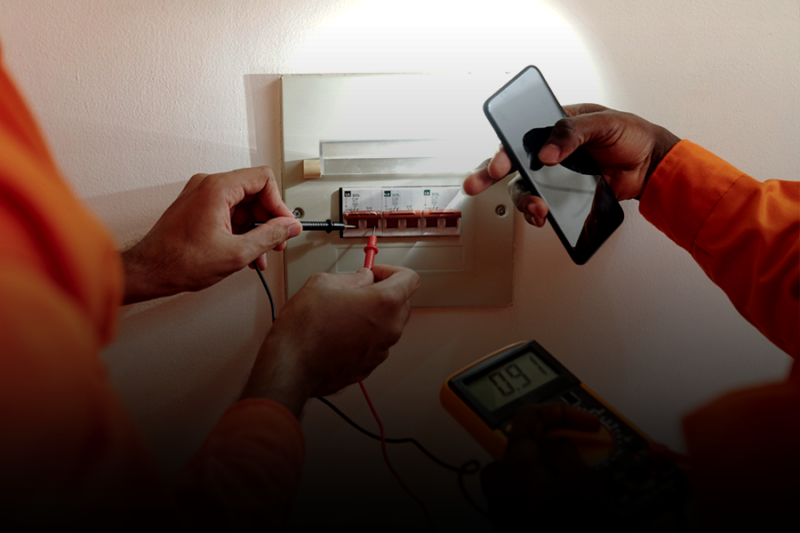
Electrical emergencies include: complete loss of power due to an internal fault (not a Kenya Power outage), burning smell from sockets, switch plates, or the Consumer Unit, visible sparks from any electrical fitting or socket, an electrical breaker that cannot be reset, and any situation where a person has received an electric shock on the premises.
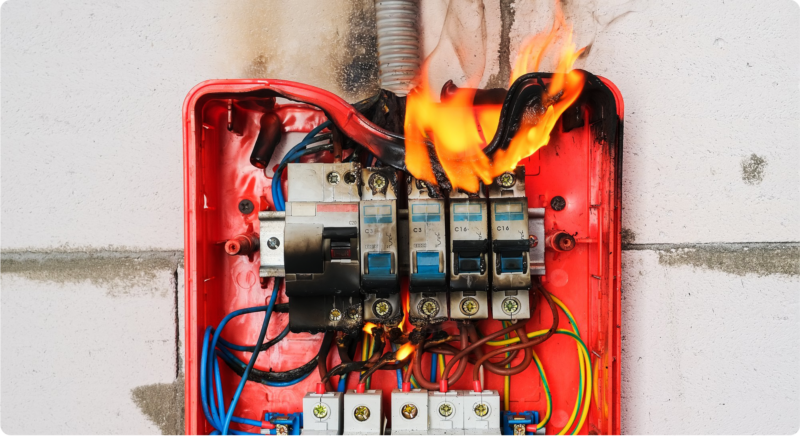
Image Credit: Magnific
Immediate action: Switch off your main circuit breaker at the Consumer Unit. Do not attempt to investigate the source of a burning smell or sparks yourself.
Evacuate the property if the smell persists after switching off the main breaker. This indicates a fault in wiring that may already be smouldering within the wall cavity.
Contact a certified electrician as an emergency. In Nairobi, emergency electrical response is available through platforms like Fixo Solutions.
Do not restore power until a certified electrician has identified and rectified the fault. Using a generator or alternative supply to maintain power while a smouldering wiring fault exists within the structure significantly increases fire risk. KPLC fault reporting is best done by dialing *977# (available 24/7), calling 97771, or using the MyPower app.
Burst Pipes and Major Water Leaks
A burst pipe can release hundreds of litres of water in a short time, saturating floors, penetrating ceilings, damaging electrical systems, and causing structural deterioration.
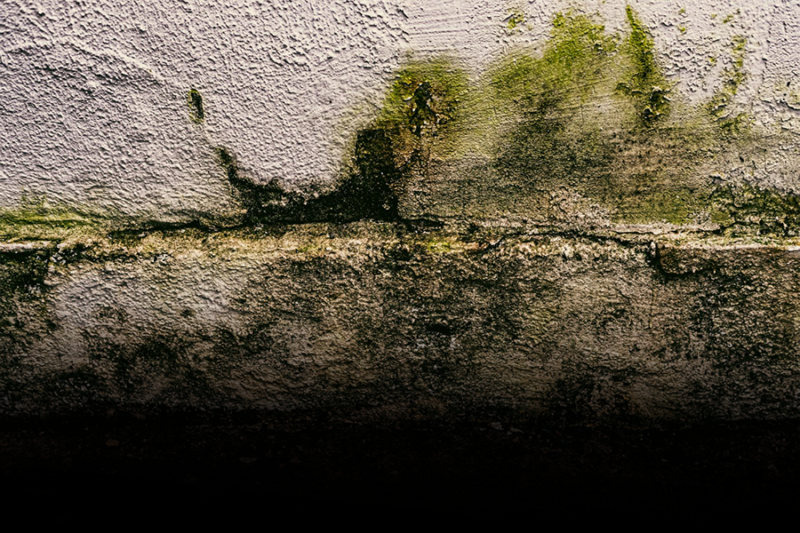
In Kenya’s climate, water damage also creates ideal conditions for black mould growth.
It causes musty smells, damage to property, and health issues like allergies or respiratory problems.
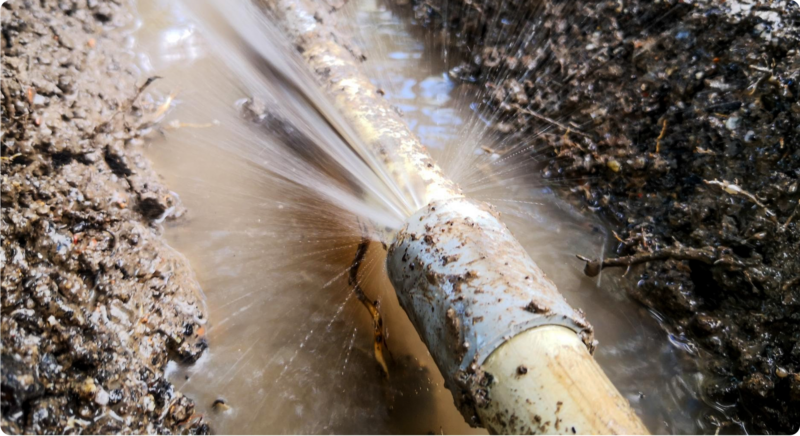
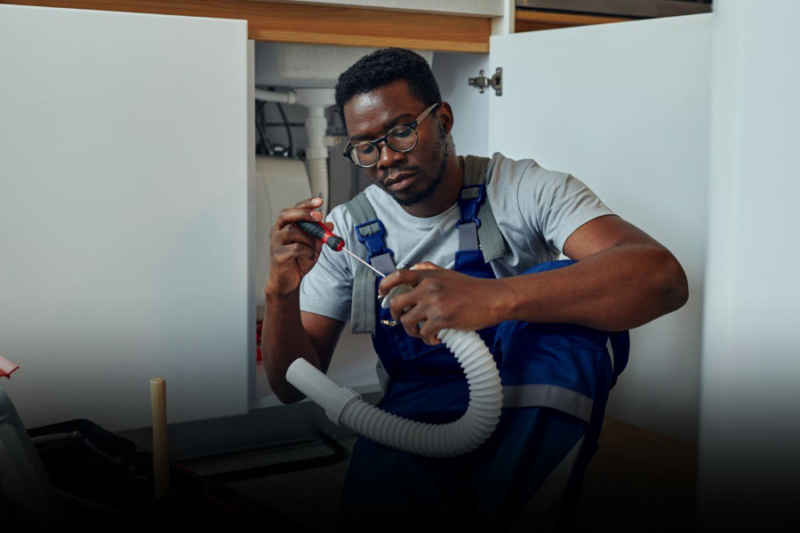
Image Credit: Magnific
Immediate action: Locate your main water stopcock (isolation valve) and close it immediately. Know its location before an emergency occurs, usually found under the kitchen sink, in a utility room, near the front door or adjacent to the main water meter.
After isolation, call a qualified plumber for emergency repair.
If the burst pipe is in the ceiling or upper floor and water is collecting in a ceiling void, be aware that ceilings, particularly gypsum board common in many Kenyan homes, can collapse under the weight of collected water.
Placing buckets is not enough; the structural risk requires the ceiling void to be drained and the ceiling assessed.
Sewage Backup and Drain Overflow
A sewage backup is a public health emergency. When wastewater from toilets, sinks, or floor drains backs up into your home, it brings with it pathogenic bacteria, parasites, and viruses that can cause serious illness, particularly in households with young children, elderly residents, or immunocompromised individuals.
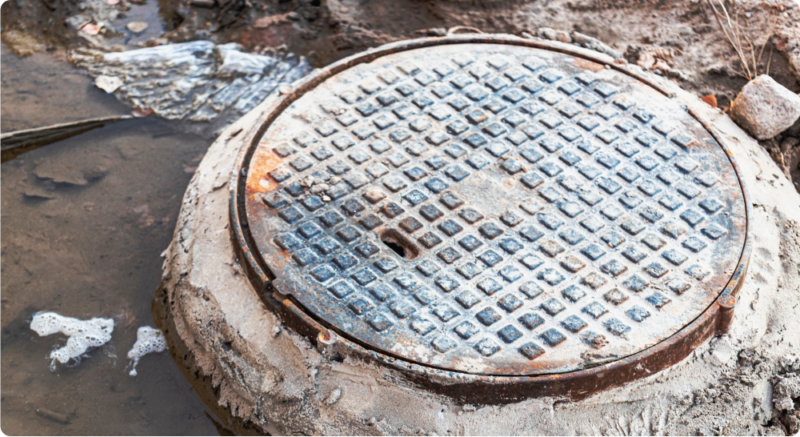
Image Credit: Magnific
Signs of sewage backup include sewage or foul-smelling water appearing in floor drains, toilets, or shower trays when water is used elsewhere in the home, gurgling sounds from multiple drains simultaneously, and an overwhelming sewage odour without obvious localised source.
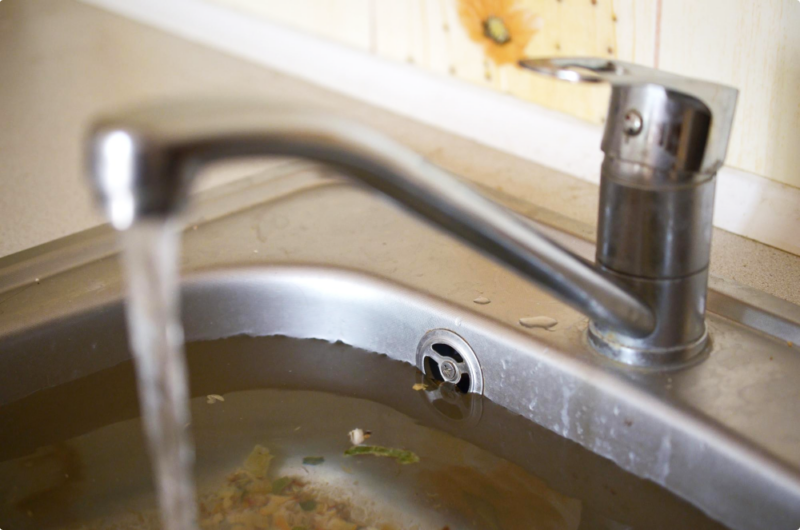
Image Credit: Magnific
Immediate action: Stop using all water outlets immediately. Do not flush toilets. Contact a professional plumber for emergency clearing. Incase the issue is related to your Biodigester or septic tank, you will need to contact a Biodigester specialist or an exhauster truck to clear the septic tank.
If the backup is caused by a blocked municipal sewer connection rather than an internal blockage, contact the Nairobi Water and Sewerage Company or your local water utility, responsibility for clearing the municipal line rests with them.
Structural Damage Following Heavy Rainfall
Kenya’s long and short rains can be intense, particularly in Western Kenya & Lake Victoria Basin, Central Highlands and Rift Valley regions. Prolonged heavy rainfall can trigger structural failures in homes built on unstable soil, with inadequate drainage, or with structural deficiencies.
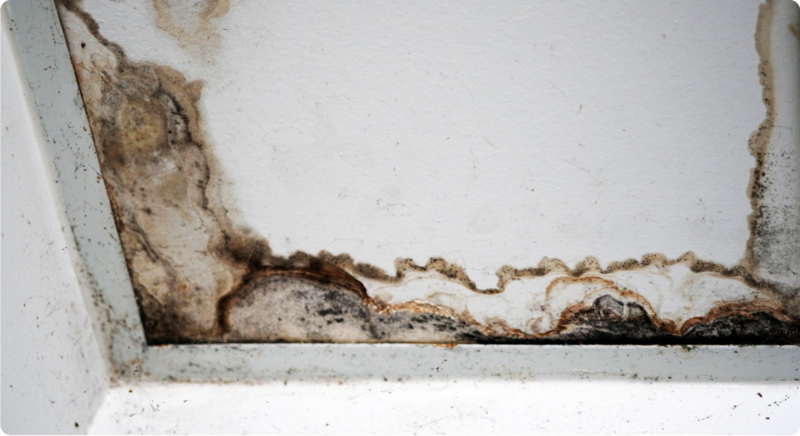
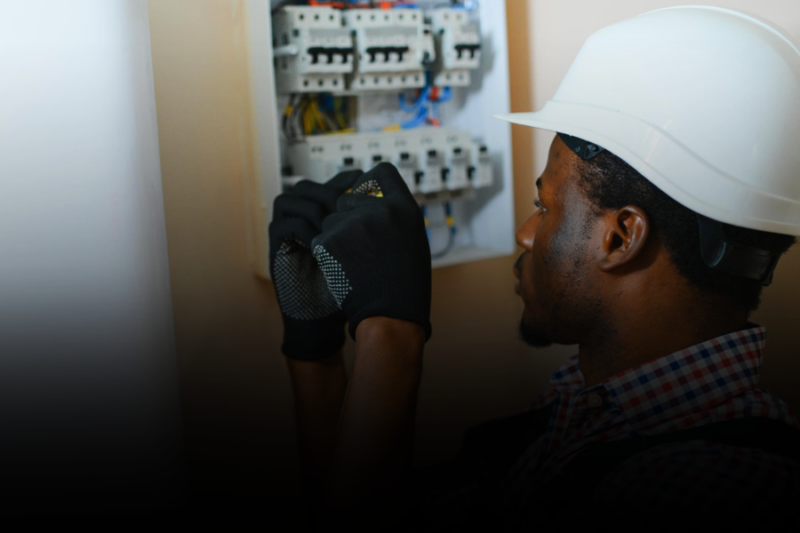
Image Credit: Magnific
Emergency structural situations include: visible sagging or deflection of roof members, a partial collapse of an internal or external wall, severe cracking that appears or worsens significantly during or after rainfall, and foundation movement evidenced by suddenly sticking doors and windows across the building.
Immediate action: Evacuate the affected area or the entire property if the damage is widespread. Do not attempt to shore up or repair structural elements yourself without professional guidance. Contact a structural engineer or experienced building contractor for an emergency assessment.
Do not re-occupy the affected area until a professional has confirmed it is safe.
Gas Leaks (LPG)
Liquefied Petroleum Gas (LPG) is used for cooking in the majority of Kenyan urban homes. LPG is heavier than air which means it accumulates at floor level and in low-lying areas rather than dissipating upwards.
A substantial LPG leak creates an explosive atmosphere that can be ignited by a light switch, electrical spark, or open flame.
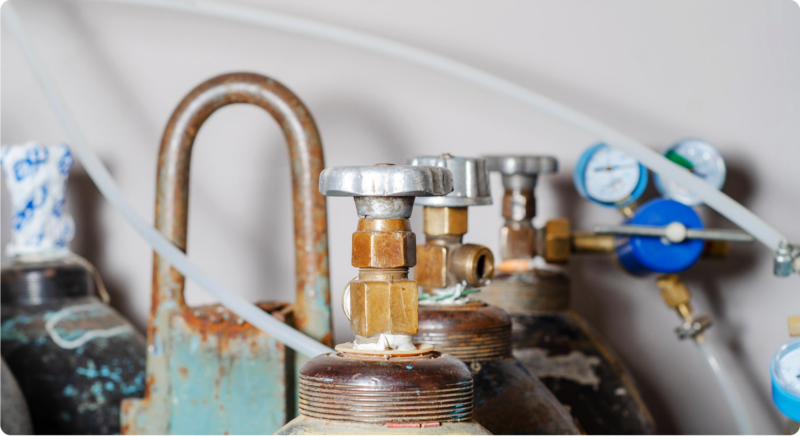
Image Credit: Magnific
Immediate action: Do not operate any electrical switches, do not turn off, do not turn on. Do not use mobile phones inside the property. Open all doors and windows to ventilate.
Turn off the LPG cylinder valve if safe to reach. Leave the property immediately and do not re-enter. Call the fire department or a certified gas technician from outside the building.
Ensure you have a fire extinguisher at your home incase of a fire emergency. Multi-purpose fire extinguishers such as ABC Dry Powder units, are versatile safety devices designed to combat Class A (solids), Class B (liquids), and Class C (gases) fires, making them ideal for homes.
Landlord vs Tenant: Emergency Repair Responsibilities in Kenya
Under Kenyan tenancy law and standard tenancy agreement terms, landlords are generally responsible for emergency repairs related to the structure and services of the property, including burst pipes, electrical faults in the fixed installation, structural damage, and roof failures.
Tenants are responsible for emergency repairs caused by their own actions or negligence.
Critically, a landlord’s responsibility does not diminish because the emergency occurs at an inconvenient time.
Under the Landlord and Tenant Act, a landlord who fails to address a repair that makes a property uninhabitable or poses a safety risk to tenants may face legal liability.
Tenants should document emergency situations with photographs and written communication (WhatsApp message records constitute valid documentation in Kenyan small claims proceedings).
Landlords should have emergency handyman contacts pre-established, scrambling to find a plumber at 10 PM during a burst pipe is a situation that benefits no one.
Preparing for Emergency Repairs Before They Happen
The most effective emergency preparedness strategy is to have critical information and contacts ready before an emergency occurs. Every Kenyan homeowner and tenant should know the location of their main water stopcock, the location of their main electrical breaker, the reference number for their KPLC account and the KPLC Customer Care line (0703 070707), finally they should have an emergency handyman or fundi contact saved in their phone.
For landlords managing multiple properties, this information should be documented for each unit and provided to tenants at the start of every tenancy.
A one-page emergency information sheet, covering water isolation, electrical isolation, emergency contacts, and what constitutes an emergency requiring immediate action versus one that can wait until the next working day, is a small investment that significantly reduces the chaos and cost of emergency situations when they occur.
Platforms like Fixo Solutions maintain an Emergency Response Network, ensuring that when you need a verified professional urgently, you are not starting a search from scratch at the worst possible moment.

Frequently Asked Questions: Emergency Repairs in Kenya
Q: How quickly should an emergency handyman respond in Nairobi?
A: A reliable emergency handyman service in Nairobi should be able to respond within one to three hours for genuine emergencies within the metropolitan area. Platforms like Fixo maintain a network of verified professionals available for emergency call-outs across Nairobi and major towns.
Q: What should a tenant do if a landlord ignores an emergency repair?
A: If a landlord does not respond to an emergency repair request in Kenya, a tenant should document the request in writing, contact the nearest Rent Restriction Tribunal, and in extreme cases where the fault poses a risk to life, contact local authorities. A tenant may be entitled to terminate the tenancy without notice if a landlord persistently fails to carry out emergency repairs.
Q: Are emergency handyman/fundi call-out fees refundable?
A: Emergency call-out fees are generally non-refundable and reflect the real cost of dispatching a professional at short notice, outside working hours. This is a standard industry practice. The best way to avoid emergency costs is through proactive maintenance.