
Plumbing maintenance in Kenya is a discipline that too many homeowners and landlords approach reactively, calling a plumber only when something has already failed. This approach is both more expensive and more disruptive than a proactive maintenance schedule, particularly given the specific pressures that Kenya’s water supply conditions, hard water chemistry, and ageing housing stock place on residential plumbing systems.
This comprehensive professional plumbing repair services checklist in Nairobi is designed for homeowners, landlords, and property managers. It covers what to check, how frequently, and how to recognize the early signs of developing faults before they become costly emergencies.
Why Proactive Plumbing Maintenance Matters in Kenya
Kenya’s plumbing environment is more demanding than many homeowners realize. Hard water (characterized by high concentrations of dissolved calcium and magnesium) is the norm in Nairobi, Nakuru, Eldoret, and many other urban areas.
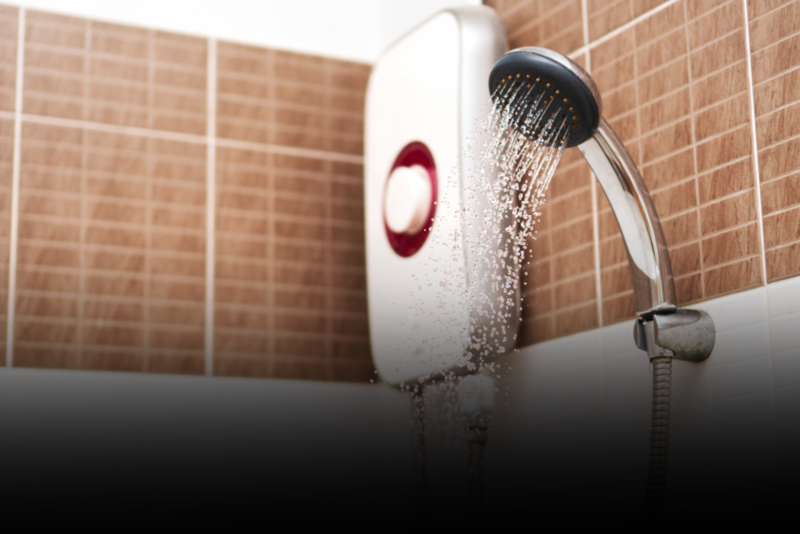
Hard water causes limescale build-up inside pipes that progressively restricts flow and places stress on joints, valves, and water heating elements.
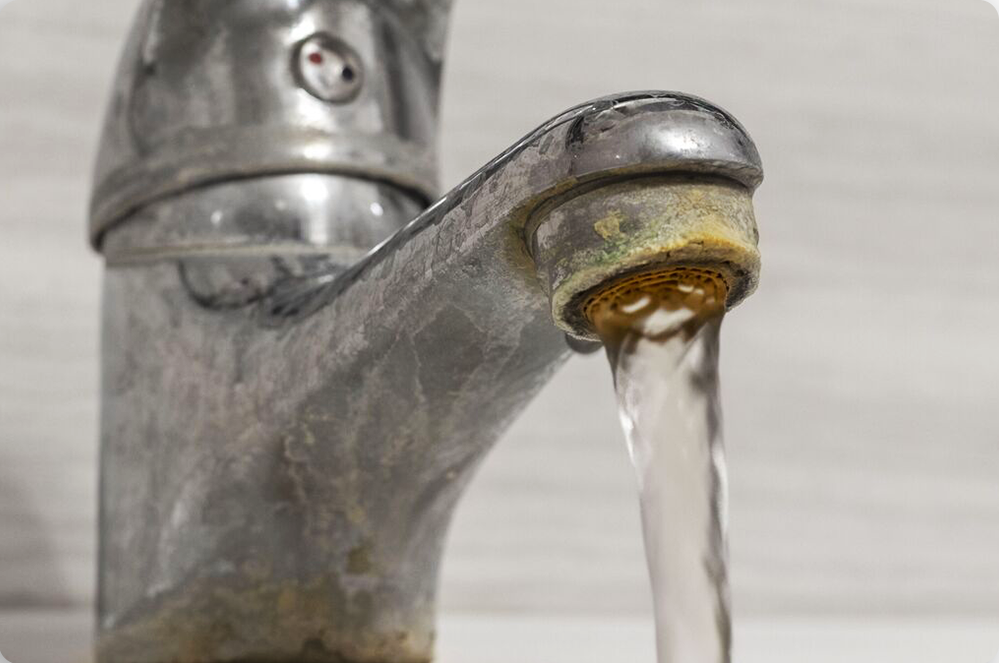
Image Credit: Getty
Additionally, water supply in many Kenyan municipalities is intermittent, meaning plumbing systems regularly cycle between pressurized and depressurized states.
This pressure cycling is significantly more damaging to pipe joints and valve seats than constant-pressure systems, accelerating wear and increasing the frequency of minor leaks.
The cost of proactive plumbing maintenance (scheduled inspections and preventive replacements) is consistently lower than reactive repair costs when factoring in water damage, emergency call-out fees, and the compounded damage that leaks cause to surrounding structures.
Monthly Plumbing Checks
Test all taps for drips or reduced flow. A dripping cold tap typically indicates a worn rubber washer, inexpensive to replace. A dripping hot tap or mixer may indicate a faulty cartridge.
Test toilet cisterns by placing a few drops of food colouring in the cistern water: if colour appears in the bowl without flushing, water is bypassing the flapper valve and should be replaced.
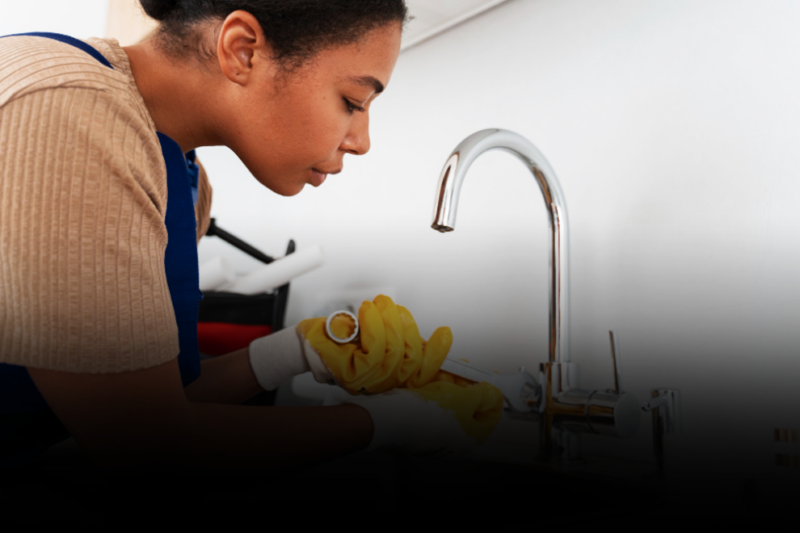
Check under all sinks and in bathroom vanity units for moisture, water marks, or any smell of mildew. These are early indicators of slow seeping leaks at pipe joints or from the waste trap.
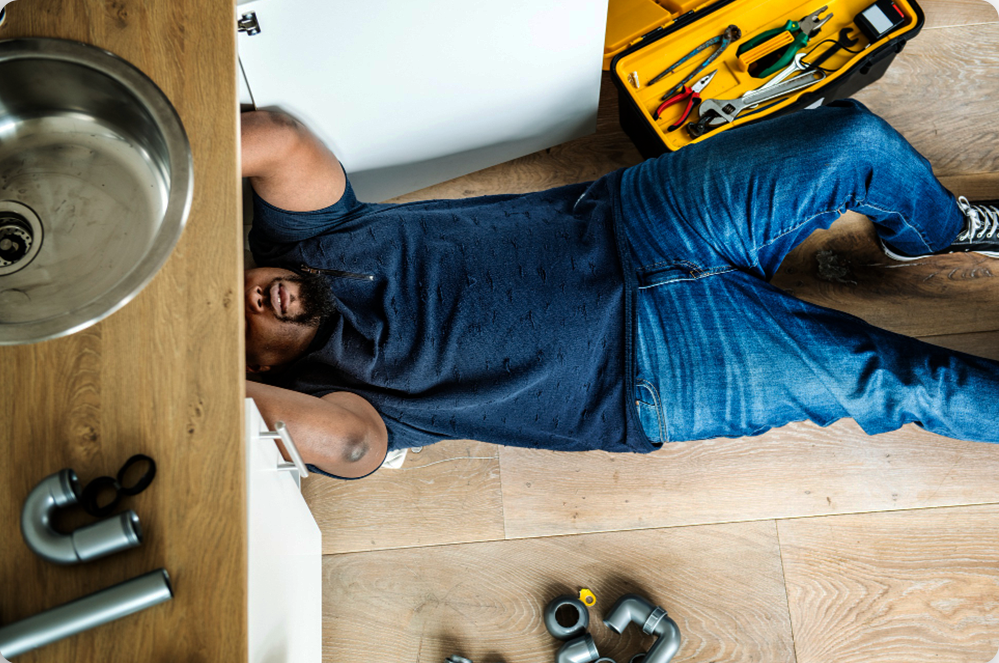
Image Credit: Getty
Inspect the visible sections of waste pipes (particularly the U-bend under sinks) for signs of sagging, which can prevent self-cleaning flow and create recurring blockages.
Clear hair and soap residue from bathroom plughole traps monthly using a bent wire or a drain cleaning tool. This single maintenance habit prevents the majority of bathroom drain blockages and is especially important in households with multiple occupants.
Quarterly Plumbing Checks
Inspect your main water meter reading and compare it to your expected usage. An unexpectedly high reading when water has not been used heavily can indicate a hidden leak in a buried supply pipe, within a wall, or from the cistern overflow.
Identify where your main water stopcock (isolation valve) is located and confirm it operates freely. This knowledge is critical in a burst pipe emergency.
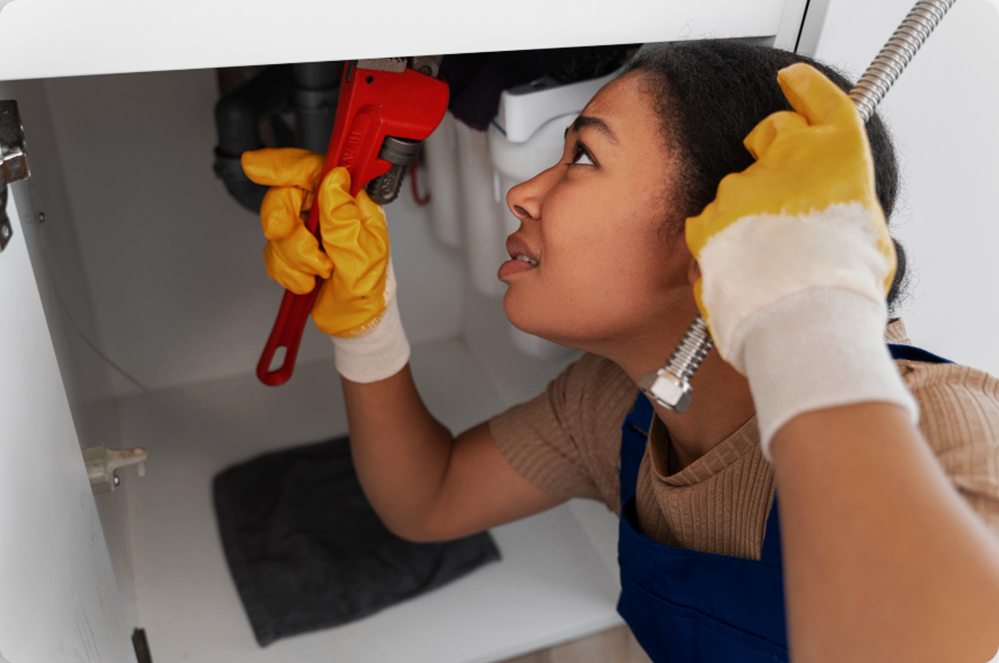
Image Credit: Getty
Check all visible pipe runs, particularly in utility rooms, under stairs, in external meter boxes, and in any roof void accessible through a hatch, for signs of rust staining, limescale deposits around joints, or damp insulation on lagged pipes.
These are all indicators of minor weeping leaks that will worsen under pressure.
Test water pressure at several outlets in your home. A marked difference in pressure between ground floor and upper floor outlets in a multi-storey home may indicate a partially blocked or corroded rising main.
If you have a pressure-reducing valve (common in many Nairobi townhouses and flats), it should be serviced or replaced every three to five years.
Annual Plumbing Inspection: What a Plumber Should Check
An annual professional plumbing inspection should cover every accessible element of your home’s water supply, drainage, and hot water system. A qualified plumber will inspect all pipe joints and connections for signs of weeping or active leaks, test isolation valves throughout the system to confirm they operate correctly, inspect the condition of flexible hoses connecting appliances (these are high-failure components and should typically be replaced every five years), and assess the internal condition of any accessible pipework.
For homes in Nairobi and other hard water areas, a plumber should assess limescale build-up in the hot water cylinder or geyser. Sediment accumulation in the bottom of a cylinder reduces efficiency, shortens the life of the heating element, and can create bacteria growth conditions.
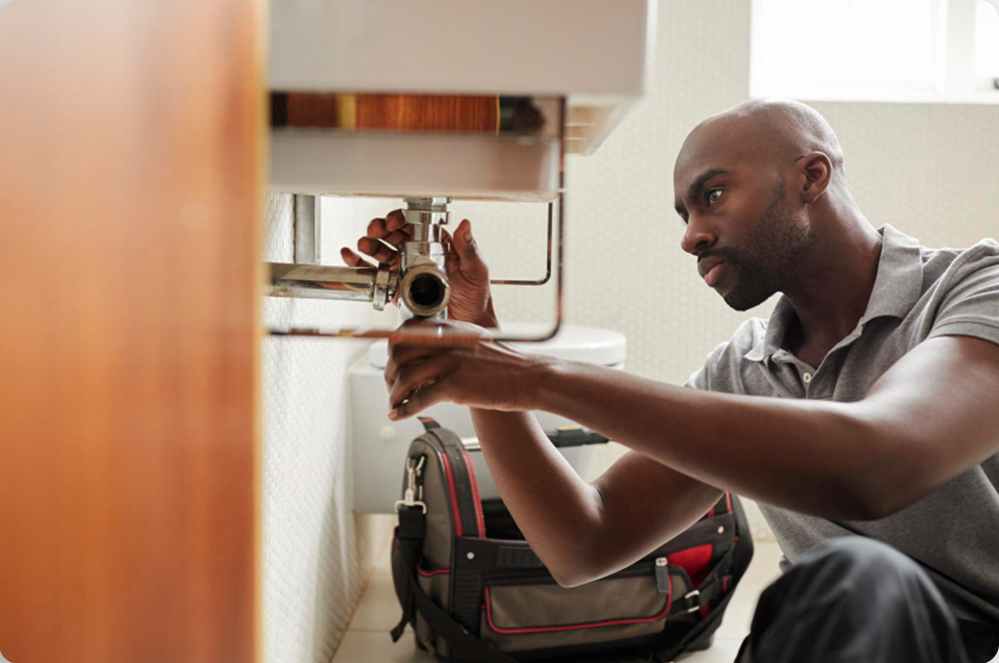
Image Credit: Shutterstock
Flushing or descaling should be part of annual maintenance.
Homes on stand-alone drainage rather than municipal sewers require an annual inspection of their septic tank or biodigester, including checking the inlet and outlet pipes, inspecting the distribution box, and confirming adequate soakaway capacity. Overloaded septic systems cause sewage backup, one of the most unpleasant and expensive plumbing emergencies.
Rooftop Water Storage Tanks
Rooftop storage tanks are near-universal in Kenyan homes due to the intermittent nature of municipal water supply. These tanks should be inspected and cleaned at minimum twice per year.
Accumulated sediment and algae growth in tanks supply contaminated water to the entire home and can cause waterborne illness.
Tank cleaning involves draining the tank fully, scrubbing the interior walls and base, flushing with a dilute sodium hypochlorite solution, rinsing thoroughly, and inspecting the inlet float valve and outlet connections.
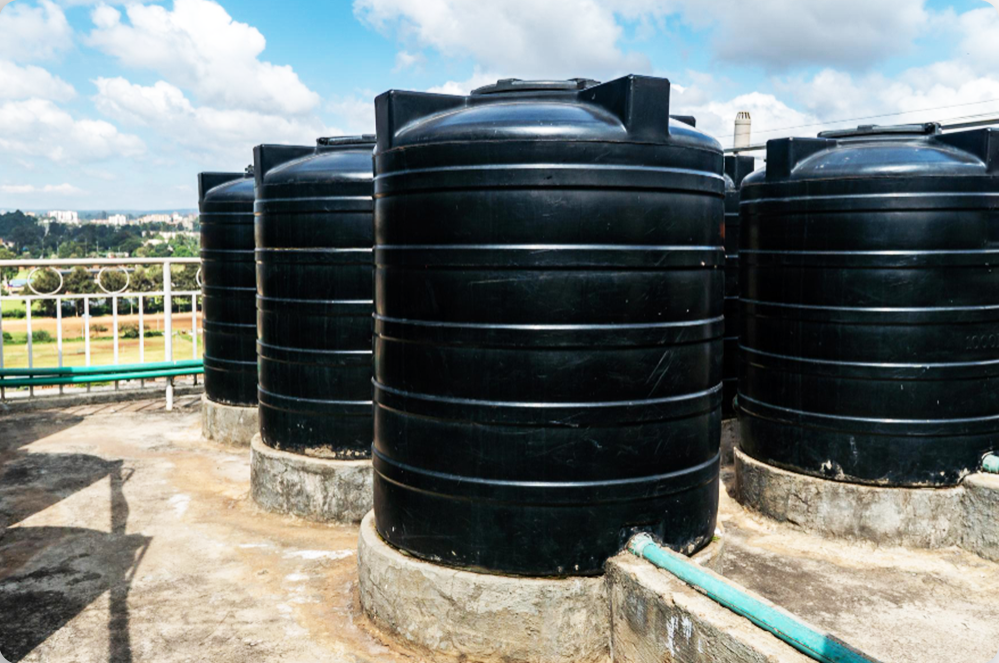
Image Credit: Shutterstock
The tank cover must be intact and sealed against insects and birds.
Tanks should also be inspected for structural integrity, particularly concrete tanks, which can develop fine cracks that allow groundwater contamination.
Polyethylene tanks should be checked for UV degradation, which makes the material brittle and prone to cracking.
Borehole and Alternative Water Supply Maintenance
An estimated 30% of Kenyan urban homes rely partly or entirely on borehole water. Borehole pumps require annual servicing, including checking pump performance (flow rate and pressure against installed specifications), inspecting the submersible pump cable for damage, testing the pressure tank and controller, and ensuring the wellhead seal is intact against surface contamination.
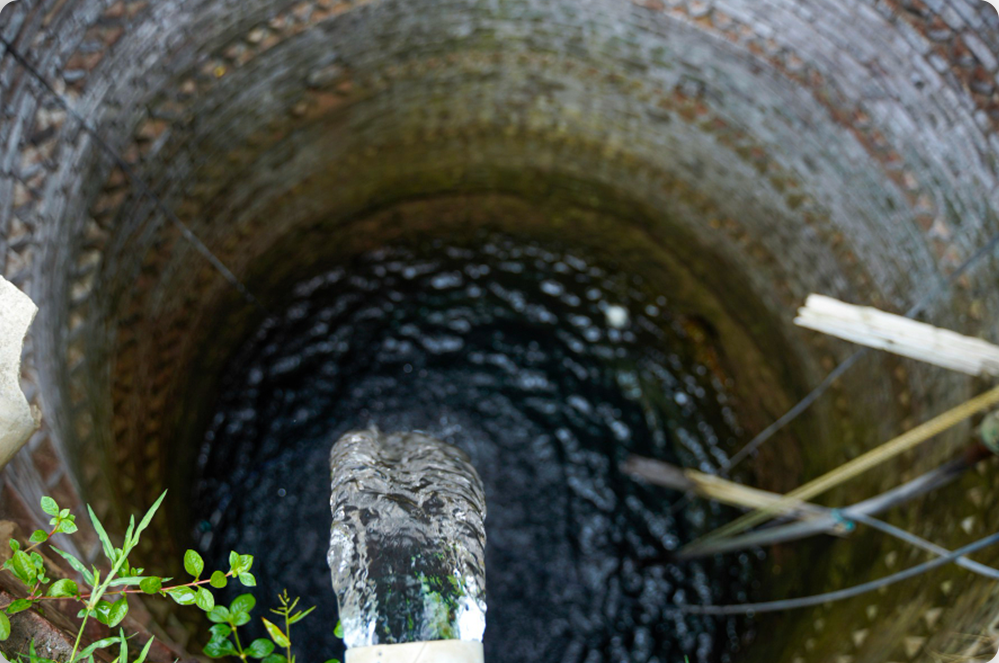
Image Credit: Shutterstock
Borehole water quality should be tested annually for bacterial contamination (particularly E. coli), nitrates (indicating agricultural runoff), fluoride (naturally elevated in the Rift Valley and parts of Central Kenya), and hardness.
Water quality changes over time as the aquifer conditions change, and domestic filters should be sized and selected based on current water quality data.
Water Conservation and Plumbing Maintenance
Plumbing maintenance in Kenya has a dimension beyond structural protection and cost management: water conservation. Kenya faces genuine water scarcity challenges, particularly in arid and semi-arid regions, and even in Nairobi, where Nairobi Water and Sewerage Company frequently operates under supply constraints.
A home that is well-maintained plumbing-wise is a home that uses water efficiently.
Fixing all leaks promptly, including the dripping tap that wastes 15 litres per day and the running toilet that loses 200 litres per day, is the single highest-impact water conservation action a Kenyan homeowner can take. Installing aerator restrictors on taps and low-flow showerheads reduces consumption without compromising usability.
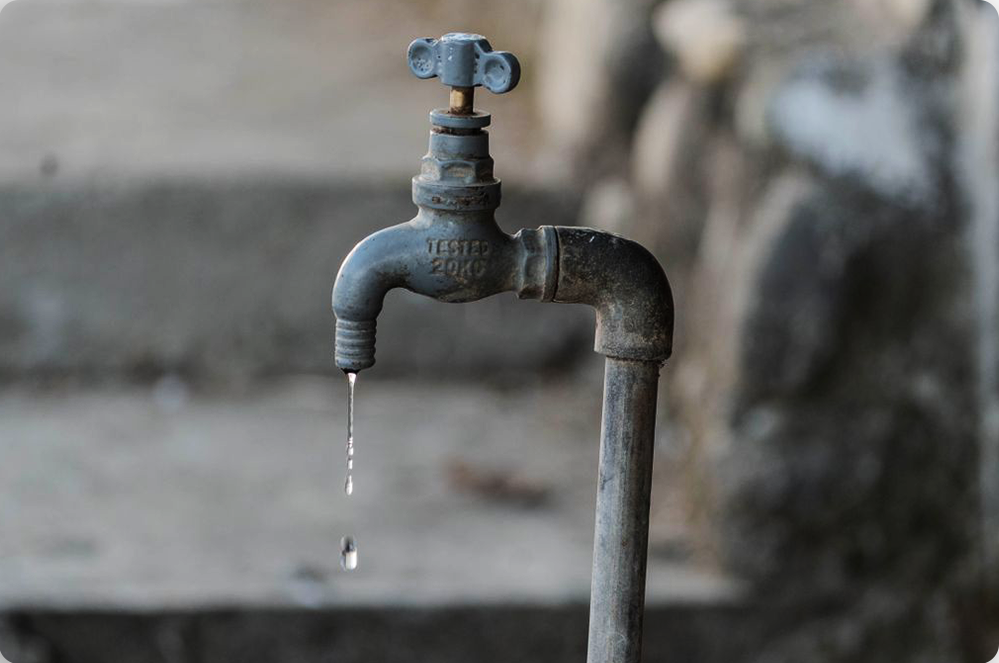
Image Credit: Shutterstock
In a household of four people, these modifications can reduce water consumption by 15 to 25 percent.
Harvesting rainwater from roof catchment is increasingly popular in Kenya, particularly in peri-urban areas with unreliable municipal supply. A basic guttering-and-tank system can collect thousands of litres during the rainy season for non-potable use.
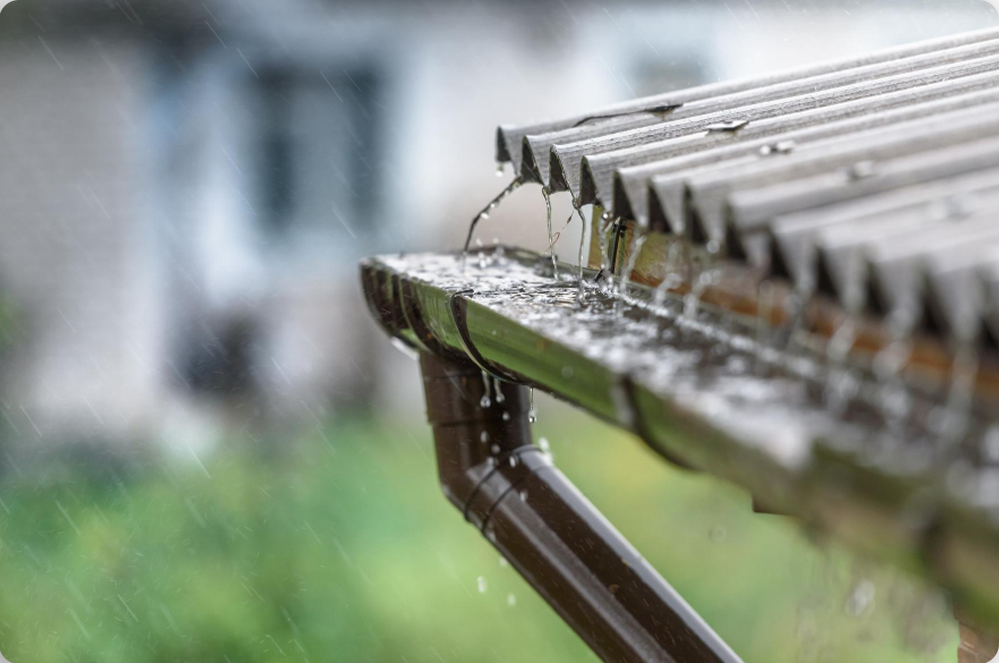
Image Credit: Shutterstock
Ensuring your guttering system is in good repair (correctly graded, free of leaks, and connected to clean storage) is a maintenance priority with both water conservation and cost-reduction benefits.

Frequently Asked Questions: Plumbing Maintenance in Kenya
Q: How often should plumbing be inspected in a Kenyan home?
A: A professional plumbing inspection should be carried out at least once per year for most Kenyan homes. Homes with older galvanised steel pipework, hard water supply, or a history of leaks should be inspected bi-annually.
Monthly visual checks by the homeowner or property manager are recommended between professional inspections.
Q: What causes pipe corrosion in Kenya?
A: Pipe corrosion in Kenya is primarily caused by hard water chemistry. The dissolved calcium and magnesium react with galvanised steel pipe coating, progressively exposing the iron underneath to oxidation.
Chlorine used in municipal water treatment also contributes to internal pipe surface degradation over time.
Q: How do I know if I have a hidden water leak in Kenya?
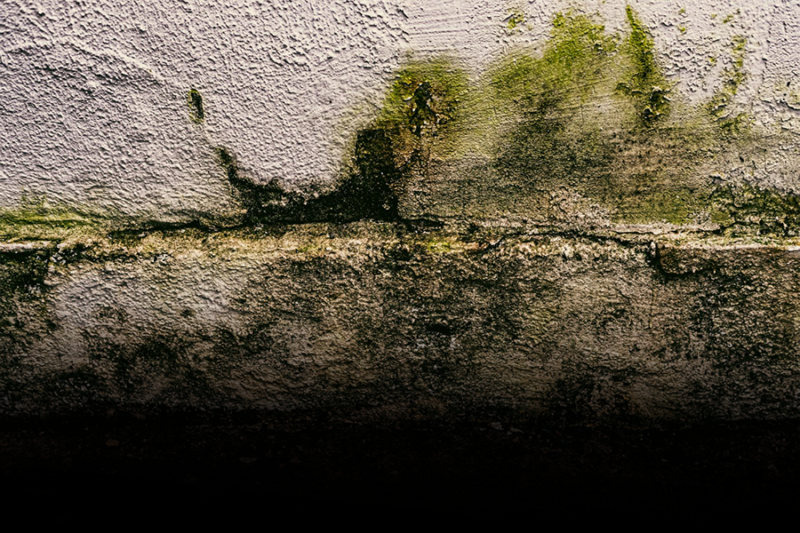
A: Indicators of a hidden water leak in a Kenyan home include an unexplained increase in your Nairobi Water or local utility bill, damp patches on walls or floors with no obvious source, a water meter that continues to move when all water is switched off, and unexplained mould growth on walls.
Q: What should be included in a plumbing maintenance contract for rental properties?
A: A plumbing maintenance contract for Kenyan rental properties should include bi-annual full system inspections, emergency call-out response within a defined timeframe, tank cleaning and inspection, geyser servicing, drain clearing, and a written job report after each visit.